The Great Salt Lake Is Shrinking. Should Utah's Commercial Real Estate Market Be Concerned?
The Great Salt Lake's decline is more than an environmental issue. It could have lasting implications for Utah's economy, commercial property values, and the businesses that call the Wasatch Front home.
I recently attended a presentation by the nonprofit organization Grow the Flow Utah, and I walked away with a new perspective on the challenges facing the Great Salt Lake. The message was eye-opening: the consequences of inaction are simply too significant to ignore.
What impressed me most was the presenter's approach. Rather than relying on fear or alarm, the discussion focused on realistic solutions and what it will take to restore the lake's health. The message was clear: meaningful progress will require a collective effort from state and federal leaders, the business community, and Utah residents. I left feeling optimistic about what we can accomplish and personally motivated to be part of the solution.
That experience also got me thinking about something closer to my professional world: What does the future of the Great Salt Lake mean for Utah's economy and commercial real estate market?
Utah has spent decades building a reputation as one of the country's most attractive places to live, work, and invest. Our growing population, strong business climate, and access to world-class recreation have helped drive commercial real estate development throughout the Salt Lake Valley.
But could the lake's continued decline eventually affect commercial property values, business relocations, or investment decisions?
I believe these are questions worth exploring, particularly for anyone making long-term investments in Utah real estate.
A Shrinking Lake With a Growing Price Tag
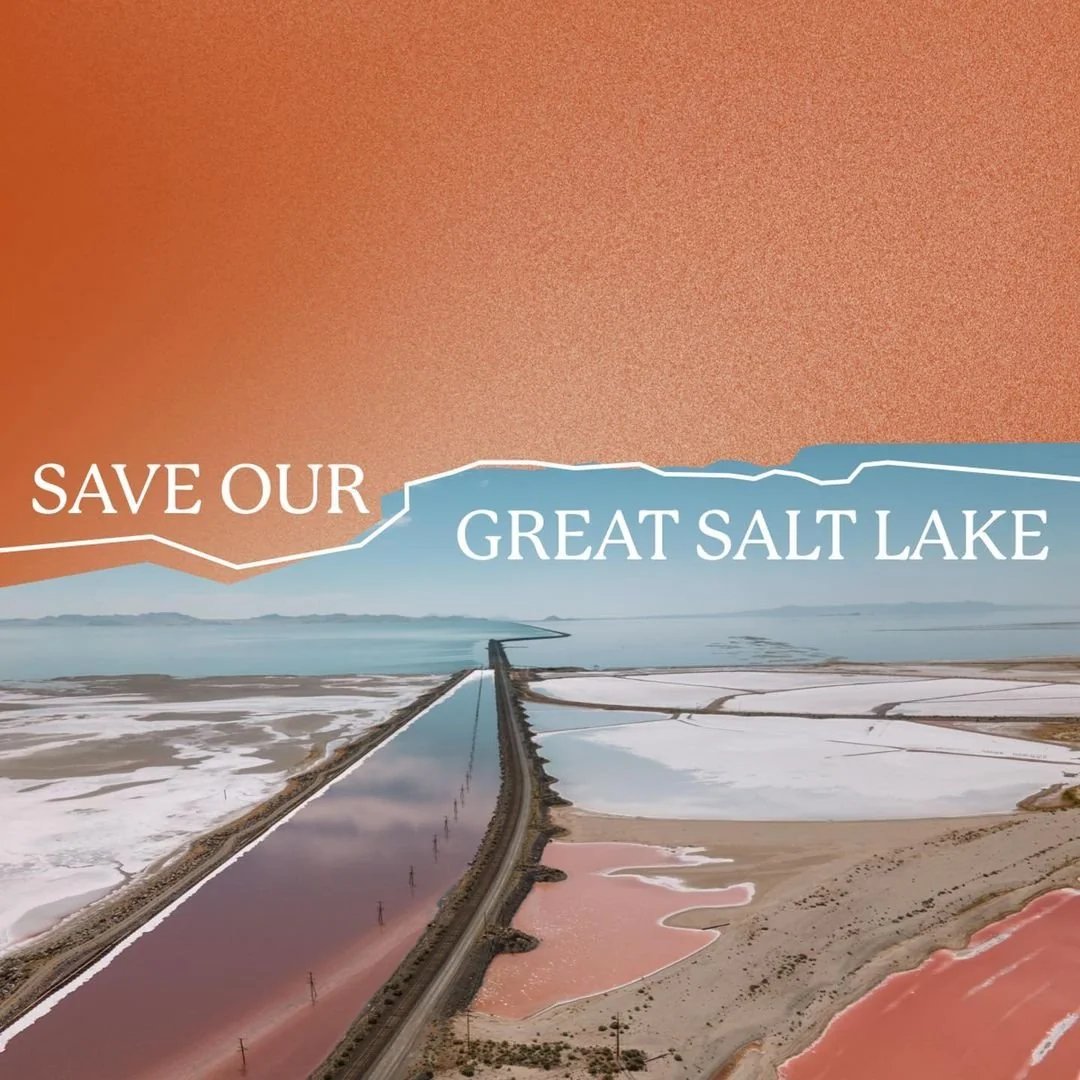
The Great Salt Lake reached its lowest recorded level in 2022. While wetter years have provided some relief, the lake remains well below what researchers consider a healthy elevation.
A September 2026 University of Utah study reported that more than 800 square miles of lakebed have become exposed, including approximately 70 square miles of active dust-generating areas.
The potential economic consequences are substantial. A 2026 National Bureau of Economic Research working paper estimated that dust associated with the lake's decline could contribute to $1.1 billion to $2.3 billion in annual health-related economic damages.
These are research estimates, not confirmed economic losses. Still, the potential costs are difficult to ignore.
And while those numbers don't directly translate into declining real estate values, they raise an important question: How long can environmental challenges grow before they begin influencing where businesses and investors choose to put their money?
Why Air Quality Matters to Commercial Real Estate
When companies evaluate a new location, they typically consider workforce availability, operating costs, transportation, and quality of life.
Air quality belongs in that conversation, too.
As the lake recedes, exposed sediments can become airborne during windstorms, potentially adding harmful dust to the Wasatch Front's existing air quality challenges.
For companies trying to recruit employees or attract talent from outside Utah, environmental conditions could become an increasingly important consideration.
Think about a company deciding between Salt Lake City, Denver, or another western market. Competitive tax policies and a talented workforce are certainly advantages, but so is a healthy environment.
That doesn't mean businesses are abandoning Utah because of the Great Salt Lake. There's no compelling evidence of that happening on a broad scale.
But commercial real estate is a long-term investment, and today's environmental concerns could become tomorrow's economic considerations.
Could Commercial Property Values Be Affected?
Commercial property values ultimately come down to fundamentals: rental income, expenses, tenant demand, and investor expectations.
If environmental conditions begin influencing those fundamentals, property values could eventually respond.
Different property types may experience those pressures differently.
Office properties: Companies evaluating headquarters or regional offices may place greater emphasis on employee health, quality of life, and environmental conditions when making location decisions.
Retail and hospitality: Utah's outdoor lifestyle and recreation industry are major economic assets. Anything that diminishes the state's appeal to visitors or residents could eventually influence consumer spending and demand for retail and hospitality space.
Industrial properties: Manufacturing and distribution facilities depend heavily on infrastructure, workforce availability, and operating efficiency. Water availability and potential environmental requirements could become more important considerations for certain users.
To be clear, there is currently insufficient evidence to suggest that the shrinking Great Salt Lake is causing widespread declines in Salt Lake County commercial property values.
However, real estate investors don't just evaluate today's conditions. They also consider what could affect an asset five, ten, or twenty years down the road.
Water, Development, and Utah's Continued Growth
Another important consideration is water availability.
Utah continues to grow, and that growth requires infrastructure, housing, commercial buildings, and public services. At the same time, restoring the Great Salt Lake requires getting more water into the lake.
Balancing those priorities will become increasingly important.
For commercial developers, water availability and utility capacity could influence project feasibility, development costs, and even where certain businesses choose to locate.
Industrial users with substantial water requirements may face different challenges than a professional office building or neighborhood retail center.
And as water conservation becomes a greater priority, properties with efficient landscaping, modern building systems, and thoughtful site design may become increasingly attractive.
From my experience working in commercial real estate, municipal land use, and development, I've seen how infrastructure and regulatory decisions can significantly influence a property's potential.
Water policy is another factor that deserves attention during the due diligence process.
The Great Salt Lake Is an Economic Asset
It's easy to think of the Great Salt Lake primarily as an environmental landmark, but it also supports important economic activity.
Mineral extraction, brine shrimp harvesting, tourism, recreation, and wildlife-related industries all depend on the lake in different ways.
The lake also contributes to regional weather patterns, including lake-effect snowfall that can benefit Utah's ski industry.
Its continued decline could create costs that extend far beyond the shoreline, including public health expenses, infrastructure needs, and challenges to the region's long-term economic competitiveness.
With Salt Lake City preparing to host the 2034 Winter Olympic and Paralympic Games, Utah's environmental reputation will likely receive even greater attention.
Protecting the lake isn't simply about preserving a natural resource. It's also about protecting an important part of what makes Utah an attractive place to do business.
What Should Commercial Real Estate Investors Be Thinking About?
I don't believe the Great Salt Lake's challenges should discourage investment in Utah. Our state continues to offer considerable economic advantages, and the commercial real estate market remains full of opportunities.
But I do believe investors should be asking more questions.
When evaluating a commercial property, particularly one intended as a long-term investment, it's worth considering how future water policies, infrastructure costs, environmental conditions, and changing business preferences could influence its performance.
These considerations belong alongside traditional due diligence involving lease rates, vacancy, tenant credit, and capital expenditures.
The goal isn't to predict an environmental crisis or speculate about falling property values. It's to understand potential risks and make better investment decisions.
The Bottom Line
Utah has built an enviable economy, and I remain optimistic about the future of commercial real estate along the Wasatch Front.
But economic growth and environmental stewardship shouldn't be competing priorities. In many respects, they're closely connected.
The Great Salt Lake's decline presents a challenge that could eventually influence everything from business recruitment to development costs and property investment decisions.
The question isn't whether the lake is affecting commercial real estate values today. It's whether we're doing enough to protect the economic advantages that make Utah real estate attractive in the first place.
For property owners, developers, and investors, understanding these broader forces is part of making informed decisions.
And that brings me back to the Grow the Flow Utah presentation that inspired this article. I left that discussion convinced that the Great Salt Lake's future isn't predetermined. With thoughtful leadership, responsible development, and a shared commitment to conservation, we have an opportunity to protect both this remarkable natural resource and the economic future of the communities surrounding it.
Protecting the Great Salt Lake isn't just an environmental responsibility. It's an investment in Utah's future—and one we all have a stake in.
About the Author
Dan Rip, MBA, is a commercial real estate advisor with more than 30 years of experience in real estate, development, property valuation, and municipal land use. He specializes in helping business owners, investors, and property owners navigate commercial real estate opportunities throughout Salt Lake County and the Wasatch Front.
Considering a commercial real estate purchase, sale, or lease? Visit www.danripcre.com to explore how Dan can help.