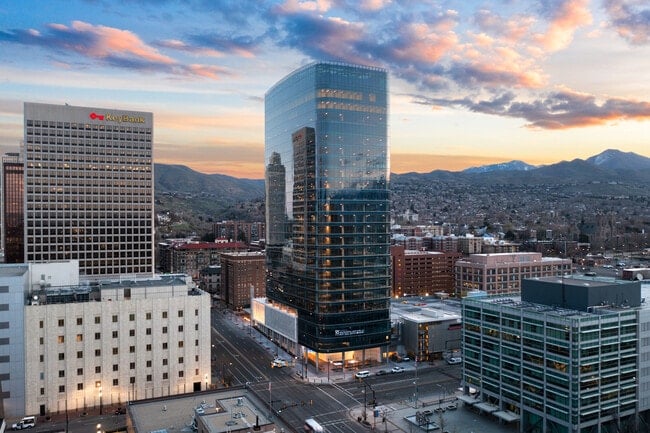
As we head into 2026, the commercial real estate market in Utah — and particularly in the Salt Lake City metro — continues to navigate a period of normalization and selective growth after several years of rapid expansion. While broader economic uncertainty and past interest rate hikes have tempered some activity, solid fundamentals and strategic migration trends suggest a measured but positive outlook for buyers and sellers alike.
Here’s what you need to know to stay ahead.
🧭 Market Trends: Stabilization With Pockets of Strength
Industrial and Logistics Remain Strong
Salt Lake City continues to serve as a critical distribution and logistics hub, attracting industrial users focused on supply chain and manufacturing operations. Vacancy rates remain moderate, and demand is supported by robust transportation infrastructure and workforce access.
What it means:
-
Strong demand for industrial space — even if vacancy rises slightly as new supply enters the market.
-
Investors are still bullish on medium- to long-term lease opportunities in this sector.
Office Market: Selective Strength With Quality Focus
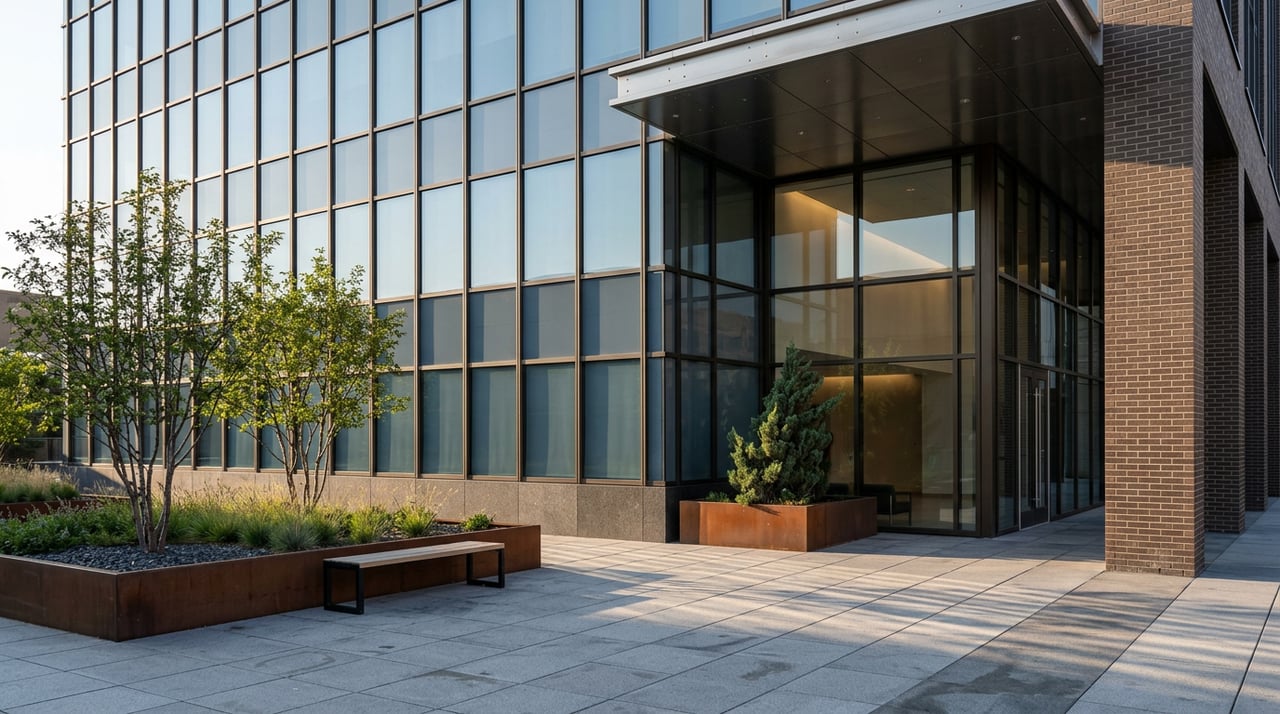
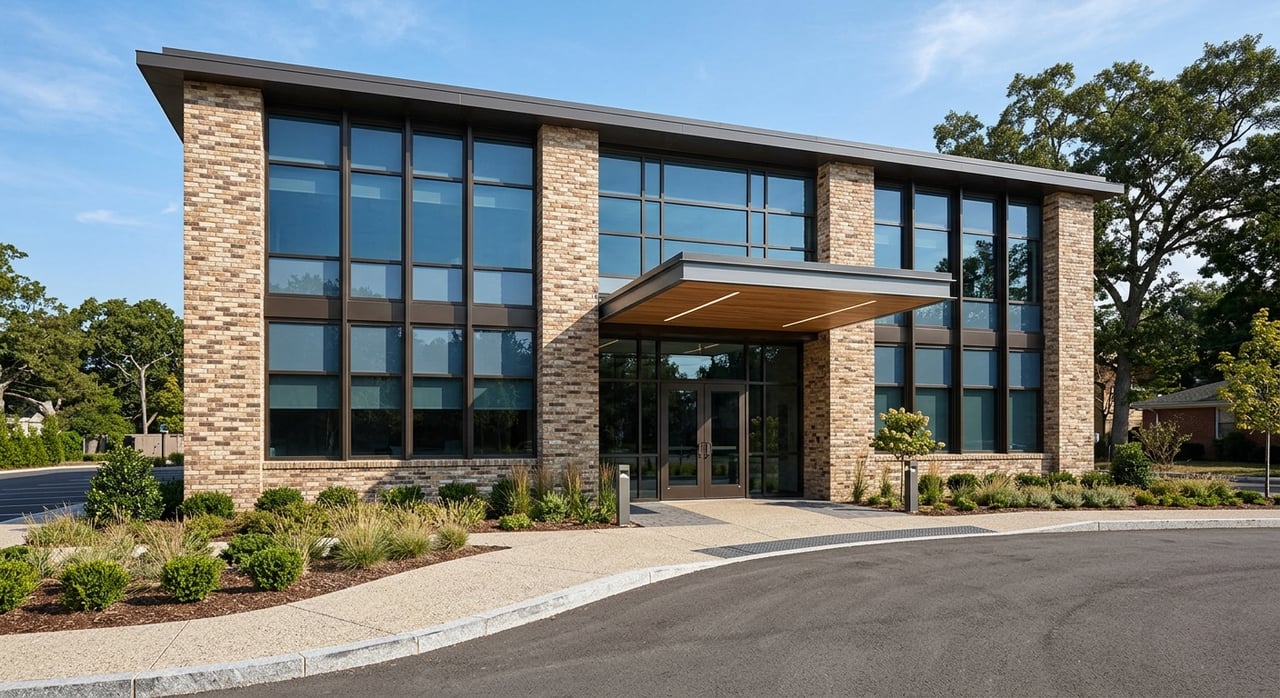
The office sector shows signs of stabilization as tenants progressively return to strategically located, high-quality properties. Vacancy has remained elevated overall, particularly with secondary and tertiary assets, but well-positioned Class A offices — especially near the tech-driven Silicon Slopes corridor — have seen improved leasing and absorption.
Outlook for buyers & sellers:
-
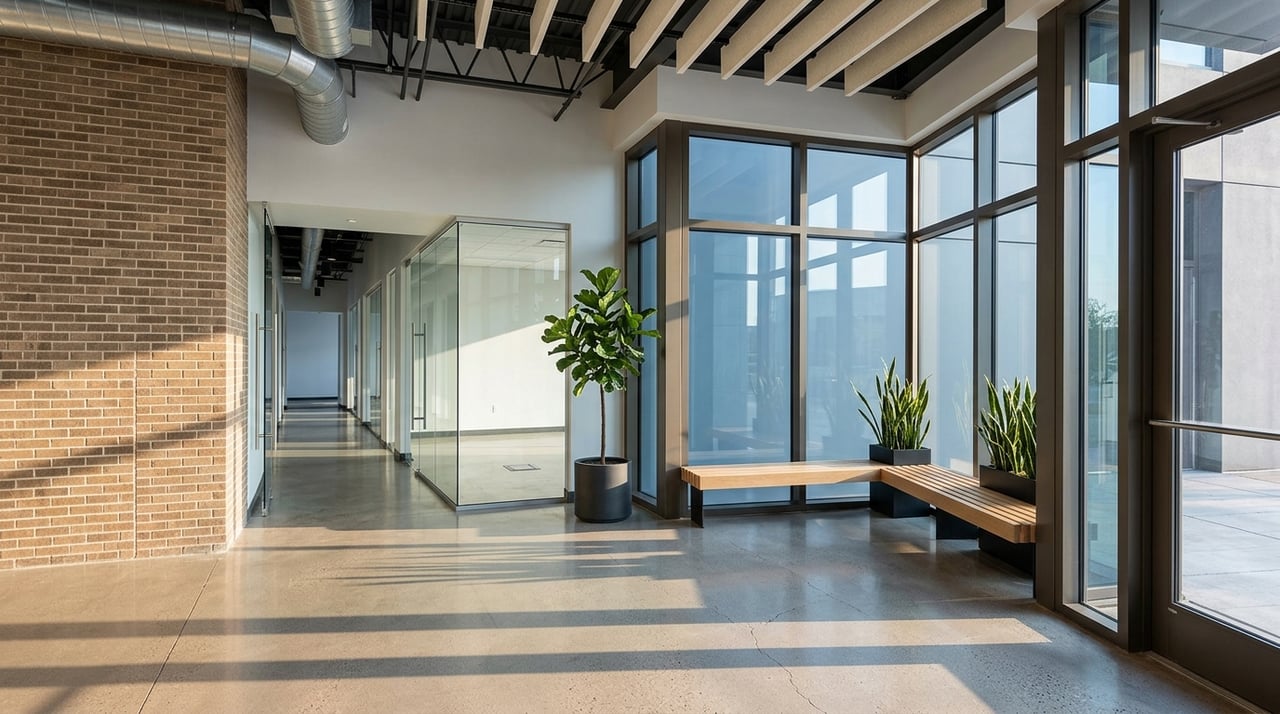
Buyers should target core offices with modern amenities and flexible layouts.
-
Sellers of well-located office assets may find buyer interest growing, particularly from buyers seeking long-term income streams.
Retail: Strong Fundamentals, Low Vacancy, Low Inventory
Retail real estate in Salt Lake City remains competitive. Vacancy rates in prime corridors are low, and both national brands and local operators actively seek well-located space. The combination of Utah’s steady population growth and strong consumer spending underpins stable retail performance heading into 2026.
Opportunity: Quality retail assets with strong tenant mixes continue to trade well — and scarce inventory creates pricing power for sellers.
Multifamily: Balanced After Rapid Growth
After several years of heavy deliveries, the multifamily sector is moving toward equilibrium. As new construction pipelines slow in 2026, vacancy rates have begun to tighten in key suburban submarkets like Sandy-Draper, Tooele, and others. Rent growth has softened, but sustained demand from new residents and workforce expansion supports positive long-term fundamentals.
What to watch:
-
Multifamily remains attractive for stability-focused investors.
-
Moderate rent growth suggests a more predictable income environment compared with recent years.
Economic and Financing Conditions
Even as interest rates remain higher than historic lows, broader indicators point toward a gradual easing in capital markets which could stimulate deal activity in 2026. Institutional interest and capital flows are returning to commercial real estate, particularly in industrial and multifamily sectors, which could translate into tightening cap rates and increased investment volume.
For Sellers:
-
Well-positioned assets may attract more competitive offers as capital returns to the market.
For Buyers:
-
Improved debt availability and expectations of a slower rise (or modest decline) in interest rates could present strategic entry points.
What This Means for Buyers and Sellers in Utah
Buyers Should Consider:
1. Quality Over Quantity
With elevated interest rates still impacting affordability for some investors, focus on properties with strong fundamentals — solid occupancy, credit tenants, and long-term income potential.
2. Emerging Growth Nodes
Suburban nodes near population growth corridors (e.g., Silicon Slopes, West Valley, South County) continue to attract tenant demand — often with favorable entry pricing versus downtown cores.
3. Multifamily & Industrial as Strategic Plays
Both sectors demonstrate resilience and relative stability, making them attractively positioned for long-term cash flow and capital appreciation.
Sellers Should Consider:
1. Capitalizing on Low Retail Vacancy
Retail assets with strong tenancy and location may see continued competitive interest, especially as new supply remains relatively constrained.
2. Office Repositioning Opportunities
Well-located office properties that have adapted to hybrid work models and offer flexible floor plans may capture strong buyer interest.
3. Multifamily Balance and Timing
As multifamily vacancies tighten in certain submarkets, pricing fairness presents a window for sellers in 2026.
Looking Ahead: Opportunity in Normalization
The commercial real estate market in Utah for 2026 is not about explosive growth — it’s about strategic positioning, stabilization, and taking advantage of selective demand trends. Institutional capital is returning, and local fundamentals — population growth, employment expansion, and infrastructure investment — continue to support commercial real estate performance even amid broader economic caution.
For buyers and sellers alike, the key is to understand which sectors are thriving, which are stabilizing, and where long-term opportunity meets short-term strategy.
Are you thinking about buying or selling commercial property in Utah in 2026?
Contact Dan Rip at www.danripcre.com for expert market insight, tailored strategies, and property opportunities that align with your goals.