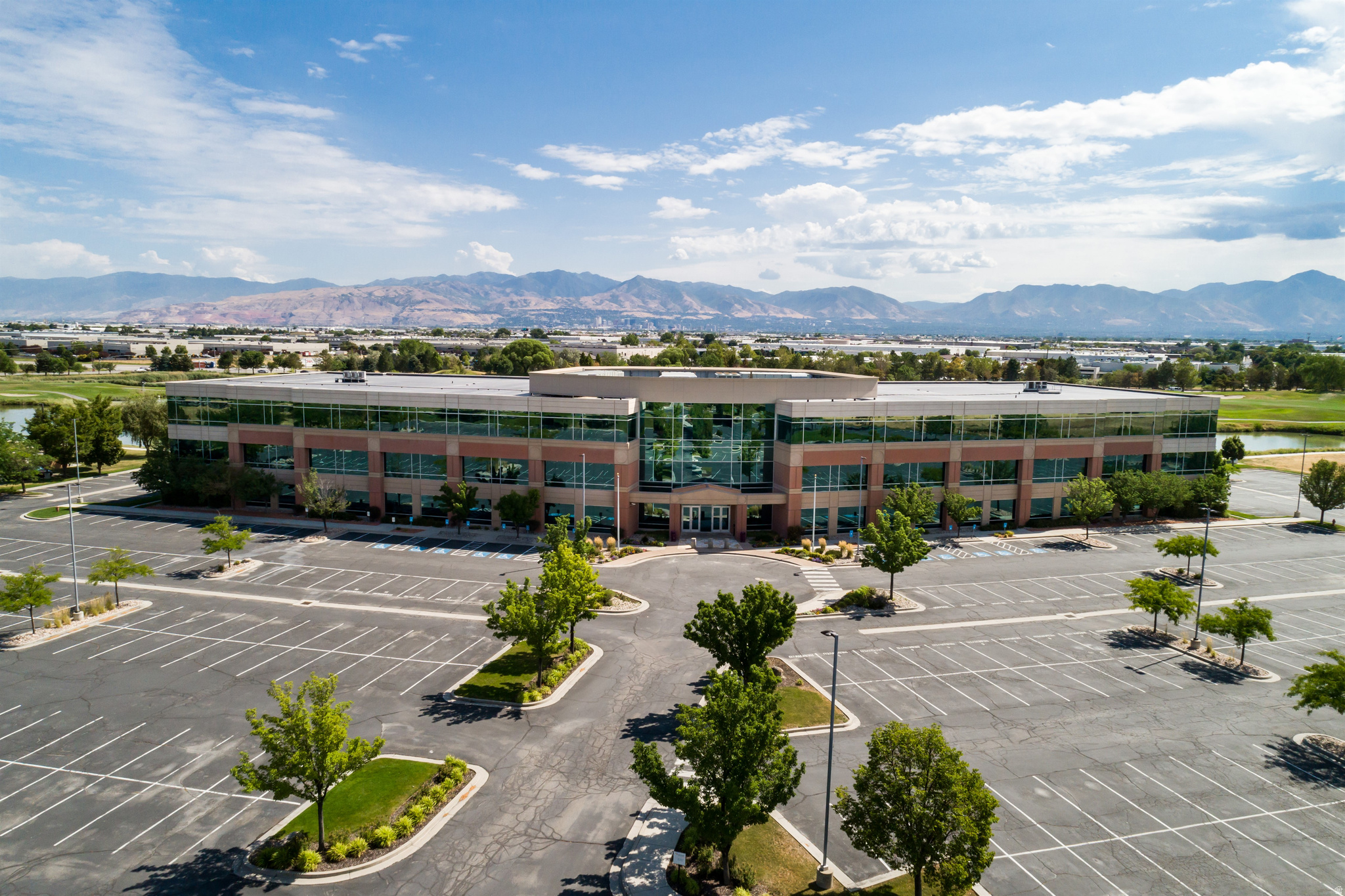
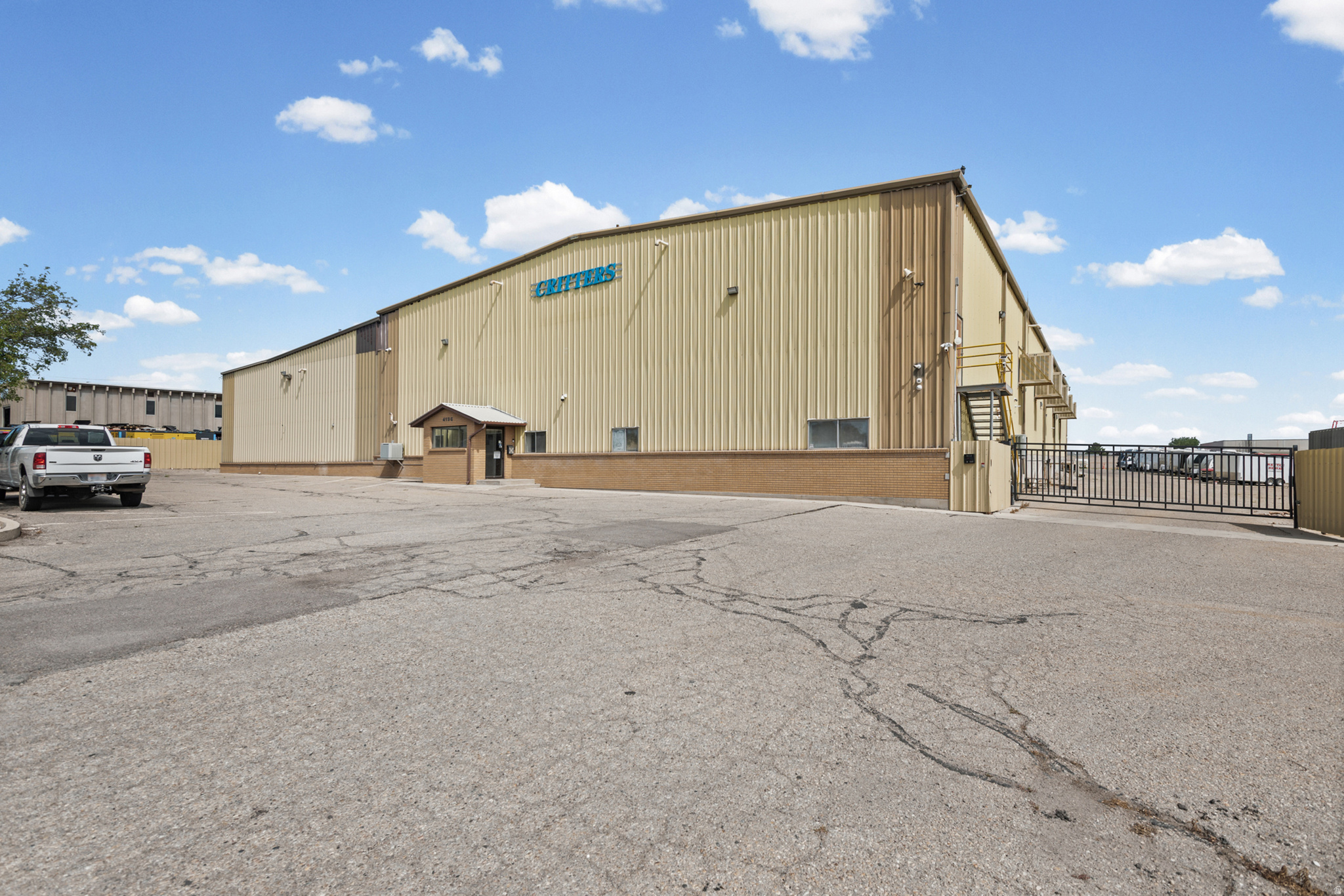
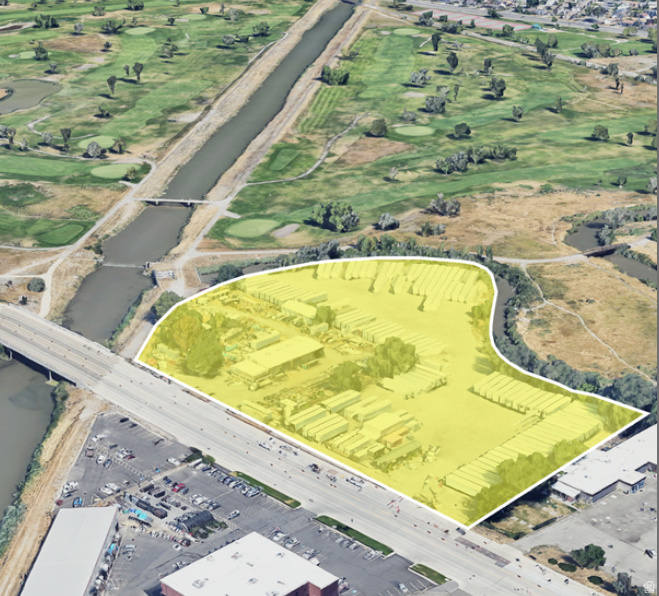
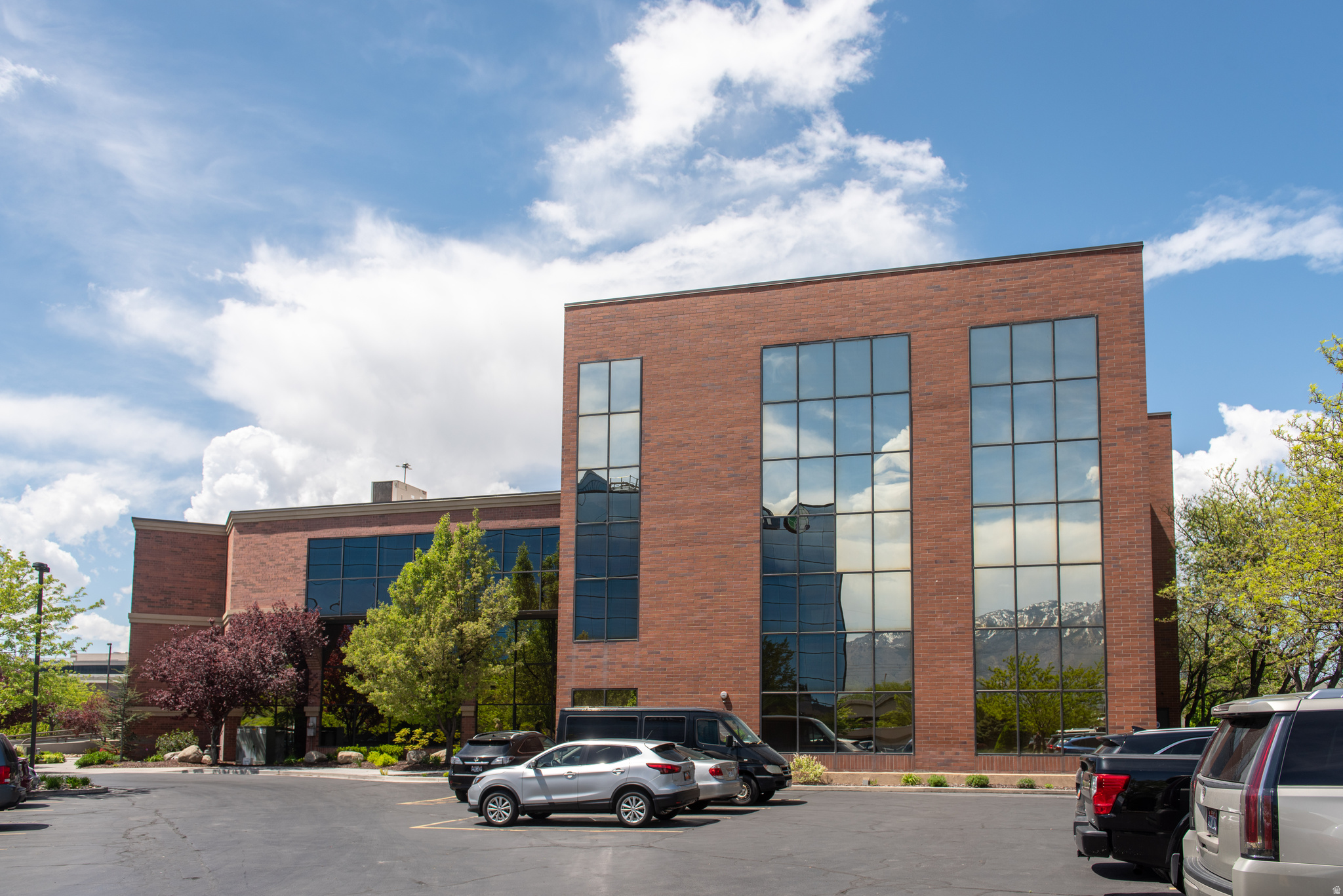
Salt Lake County is Utah's largest county and the state's undisputed hub for business, population, and growth. Home to over 1.2 million residents, more than double the population of second place Utah County, Salt Lake County anchors the entire Wasatch Front and drives the majority of Utah's economy. Whether you're relocating, investing, or exploring commercial real estate in Salt Lake County, this is the market that sets the pace for the state.
Utah's Largest County by Population and Economic Impact
Salt Lake County includes 22 incorporated cities, from Salt Lake City and Sandy to Murray, West Valley City, South Salt Lake, Millcreek, and Draper. As the county seat and Utah's capital, Salt Lake City sits at the center of a metro area that leads the state in business, government, healthcare, tech, and tourism, making Salt Lake County the true hub of Utah.
Growth Statistics
Salt Lake County's population has grown more than 11 percent over the past decade, fueled largely by migration into the state. Median household income has climbed toward the high 90,000 dollar range, well ahead of neighboring counties, and unemployment remains low. For anyone tracking commercial real estate trends, sustained population and income growth in Salt Lake County means rising demand for retail, office, multifamily, and industrial space across the valley.
History and Fun Facts
Long before statehood, Northern Shoshone and Ute peoples used the valley for hunting and fishing, and fur trappers working for William H. Ashley were the first outsiders to see it in the 1820s. Everything changed on July 24, 1847, when Brigham Young led Mormon pioneers into the valley and declared it the right place to settle. Within days they were farming, building a fort, and surveying what became Salt Lake City. Two years later, settlers had founded a dozen towns across the county. Today, Salt Lake County is home to the University of Utah, the world headquarters of the Church of Jesus Christ of Latter-day Saints, and the legacy of the 2002 Winter Olympics, and it sits along the historic Pony Express and transcontinental railroad routes, a reminder this valley has always been a crossroads.
Where to Eat, Shop, and Explore
Downtown, City Creek Center is Utah's premier shopping and dining destination, with over a hundred stores including Nordstrom, Macy's, and Louis Vuitton. Local favorites Red Iguana and Bocata rank among the valley's best restaurants, and the Downtown Farmers Market draws weekend crowds. The Natural History Museum of Utah and Temple Square are must-see cultural stops, while families enjoy Utah's Hogle Zoo, Tracy Aviary, and Discovery Gateway Children's Museum. Outdoor lovers head to Red Butte Garden, Sugar House Park, or Big and Little Cottonwood Canyons for hiking and skiing minutes from downtown. Sandy, Murray, and Cottonwood Heights add their own strong retail corridors, including Fashion Place Mall, rounding out Salt Lake County's reputation as a shopping and dining destination.
Why Salt Lake County Matters for Commercial Real Estate
With population and income growth trending upward, Salt Lake County remains Utah's strongest and most active commercial real estate market. Whether you need retail space, office leasing, or landlord and tenant representation, Salt Lake County's growth trajectory makes it the market to watch.