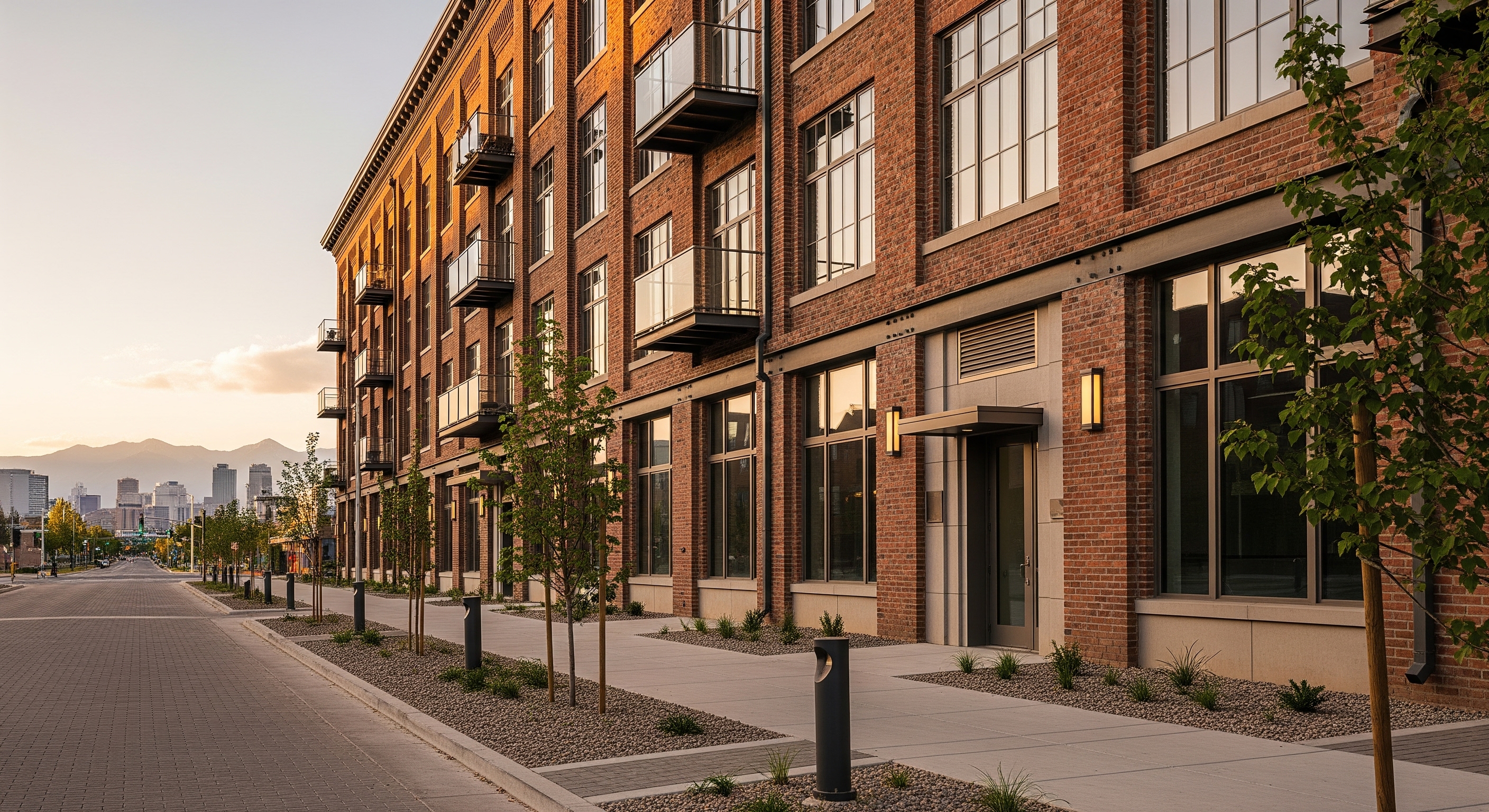
If you own or are eyeing a warehouse in Salt Lake City’s Granary District, you have likely heard the term “form‑based code.” You might also be asking what it means for your conversion budget, timeline, and approval risk. You are not alone. Many investors and small developers are navigating the same questions as the district transitions from rail and light industrial to creative, mixed use. In this guide, you will learn the essentials so you can scope due diligence, predict approvals, and build a stronger pro forma. Let’s dive in.
What a form‑based code is
Form‑based codes are land use rules that prioritize physical form and the public realm. Rather than centering on use separation, they focus on massing, placement, frontage, and streetscape to deliver walkable, predictable urban form. The goal is to shape what you and your tenants experience at the street.
If you want a primer on the philosophy and typical tools, explore the Form‑Based Codes Institute resources, which explain how these codes create consistent streetwalls and active ground floors. You can also review an overview from the Congress for the New Urbanism for more context on why cities use them and how they differ from conventional zoning.
How FBCs change approvals
Under many form‑based codes, if your project meets the regulating plan and the form standards exactly, review can be administrative. That can reduce public hearings and shorten entitlement timelines. If you need a departure, the review often becomes discretionary, which can add time and uncertainty.
The bottom line is clear. The closer you align with the prescribed building envelope, frontage, transparency, and streetscape rules, the more predictable your approvals become.
Granary District context
The Granary District sits just south of downtown Salt Lake City. It blends large warehouse buildings, rail legacy parcels, and emerging mixed use. Adaptive reuse is common, but it brings distinct challenges. You may face historic status checks, environmental remediation, and significant façade work to achieve required transparency and entries.
Salt Lake City has district guidance through the Granary plan and associated form‑based regulations or overlays. The authoritative rules live with the Salt Lake City Planning Division. Start with the official Granary District documents and confirm the governing map and standards for your parcel.
What to check on your site
Before you underwrite or design, pull the code and confirm the following:
- Regulating plan designation for the parcel and street type
- Building form standards, including height, build‑to lines, and stepbacks
- Frontage type requirements and minimum transparency at ground floor
- Required active uses on primary corridors
- Streetscape obligations, including sidewalk width and tree planting
- Parking and access rules, including curb cuts, loading, and any reductions
- Historic overlays and design review triggers
Each item affects cost, timeline, and potential value. The exact thresholds come from the Granary code and the city’s official documents.
Frontage and ground‑floor activation
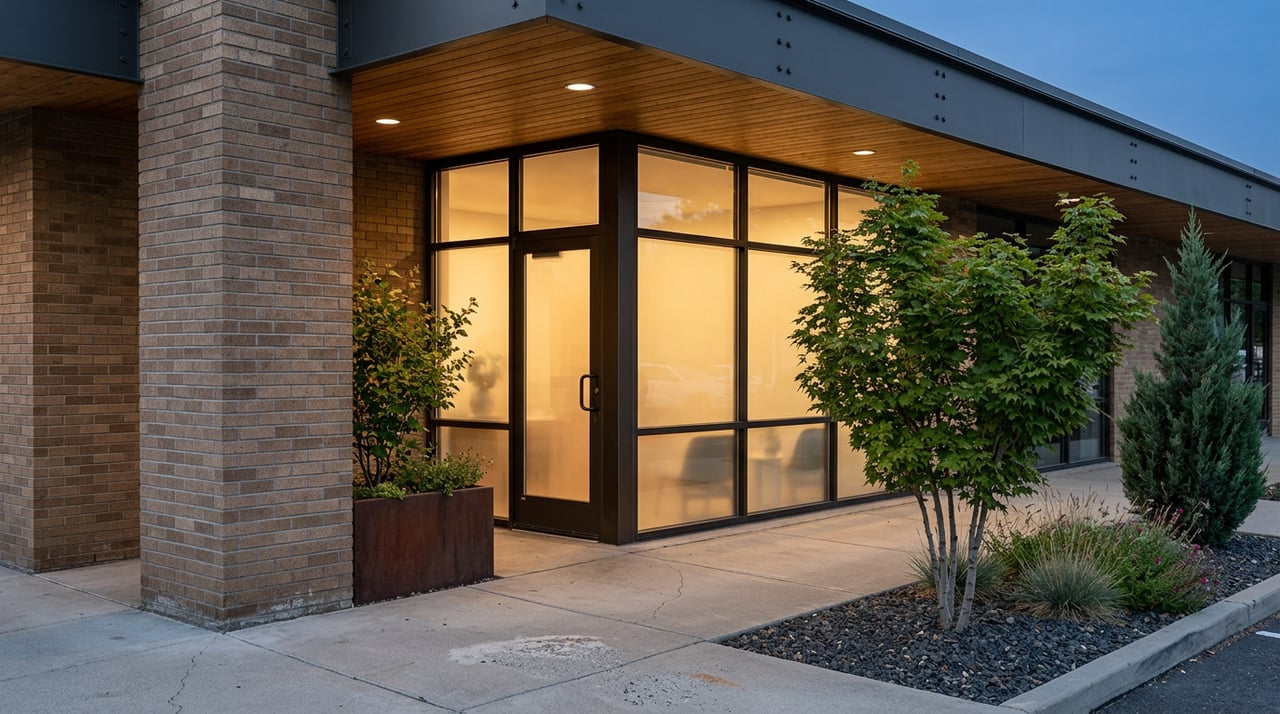
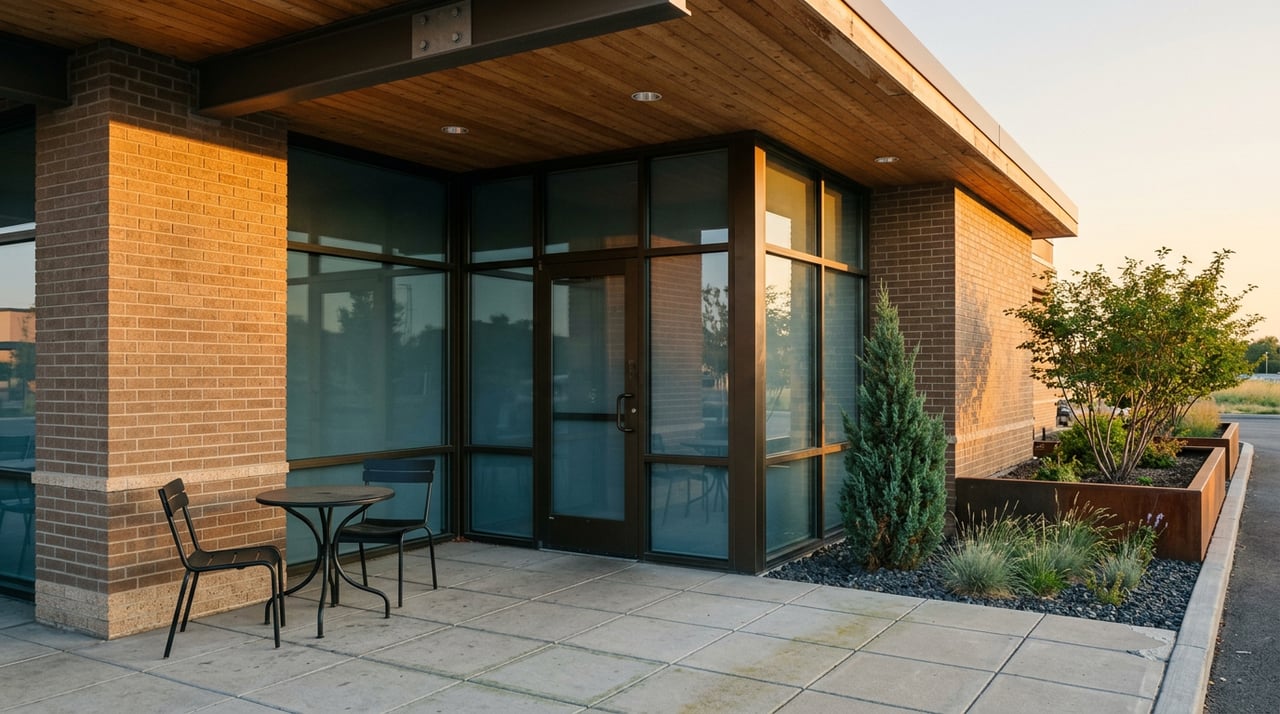
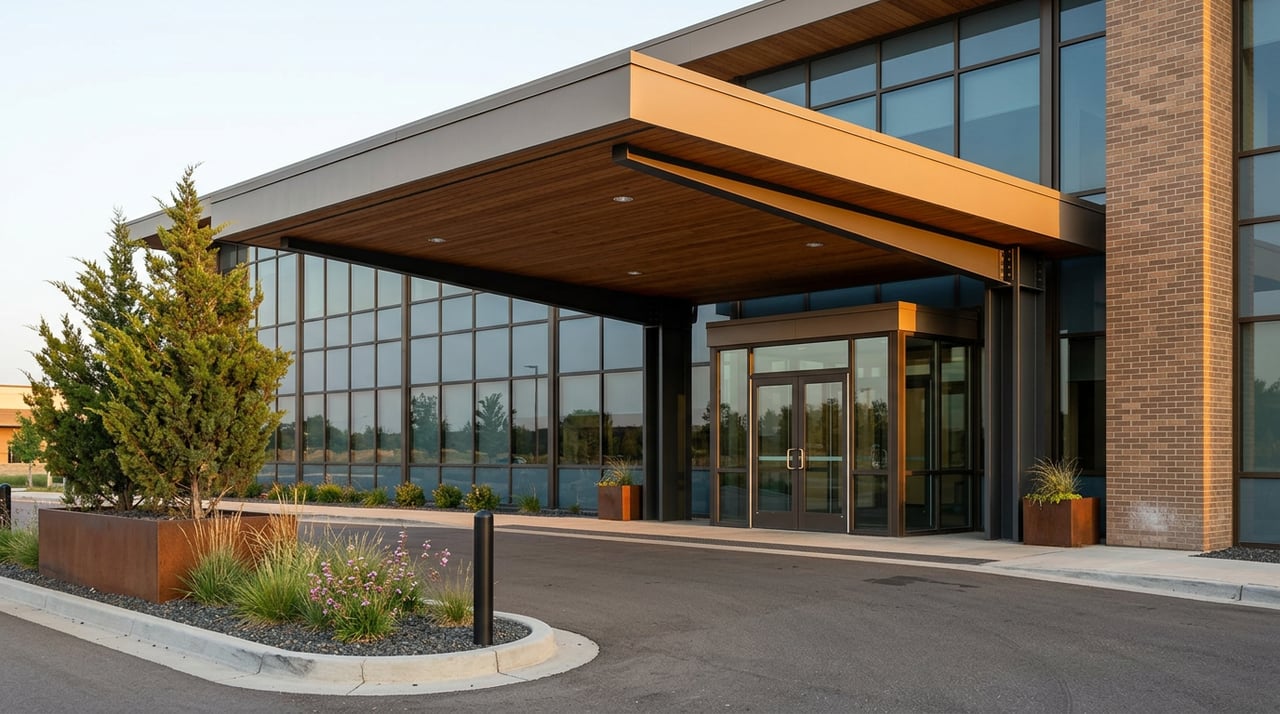
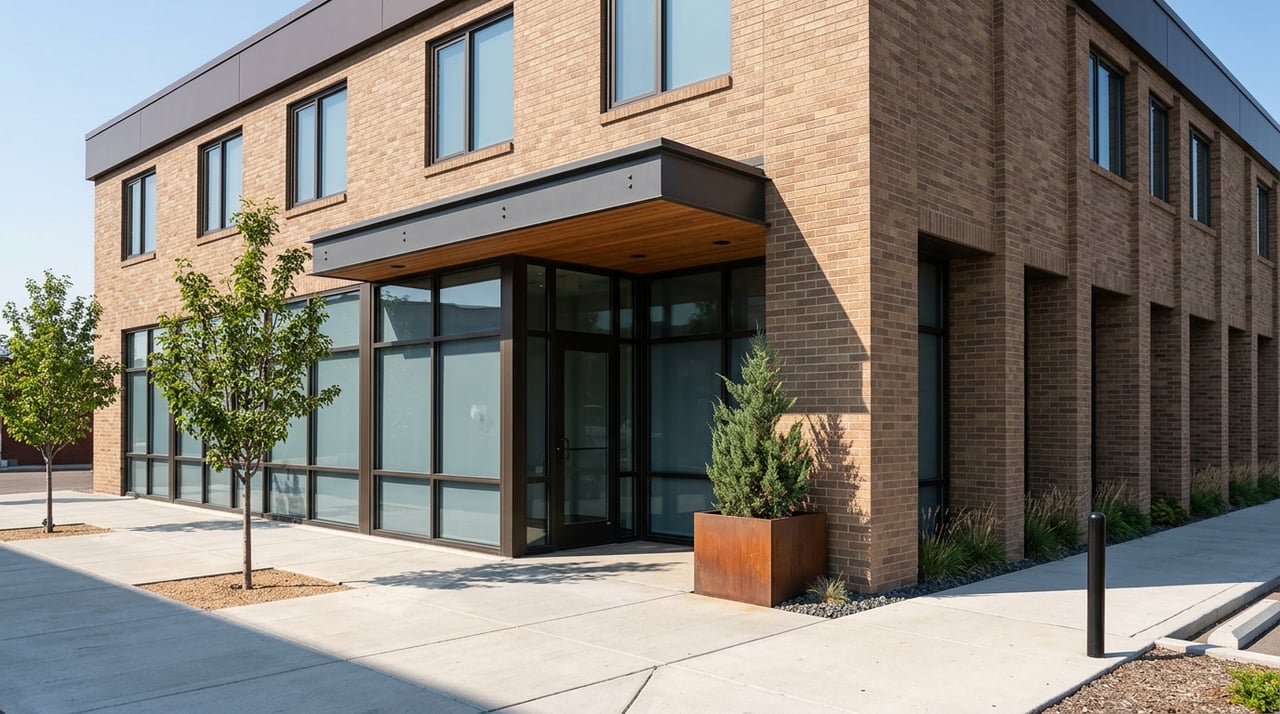
Frontage rules shape how your building meets the street. They often require entries at set intervals, specific transparency levels, and an active ground floor along primary streets. For adaptive reuse, that can mean cutting new openings into heavy masonry or adding storefront systems.
- On primary streets, expect more transparency and activation.
- On alleys or secondary frontages, expect more flexibility for service access.
- For long warehouse façades, plan for several tenant entries and display windows.
These interventions increase construction scope, but they also support better retail visibility and foot traffic. That can translate to stronger ground‑floor rents once the space opens.
Building envelope and massing
Form standards typically define the build‑to line, minimum streetwall height, maximum height, and any stepbacks. For reuse, those metrics help you estimate the usable volume, where vertical additions are possible, and how you can insert new floorplates. A predictable envelope supports faster schematic modeling and clearer conversations with lenders.
Streetscape and public‑realm costs
Many form‑based codes include streetscape standards for sidewalks, tree wells, lighting, and furniture zones. Some require you to construct frontage improvements at your expense as part of the permit. Budget for:
- Sidewalk widening or new paving
- Street trees and irrigation sleeves
- Lighting or furniture within the frontage zone
- Curb adjustments or extensions where required
These items improve tenant experience and long‑term value. They also need to be in your early cost plan so you do not get surprised late in design.
Parking, loading, and access
Modern form‑based codes often reduce parking minimums or allow shared parking near transit. That can unlock more leasable area where structured parking is not feasible. Still, you need a realistic parking and loading plan for residential, retail, or creative office conversions.
- Confirm minimums, maximums, and any reductions in the Granary code.
- Identify curb cut limits and loading requirements early.
- Explore shared parking agreements or off‑site options if on‑site supply is tight.
Large warehouse footprints can be advantageous for flexible space planning, but they usually require deliberate frontage design to avoid long, inactive stretches.
Historic and environmental factors
Historic status affects both process and financing. If your building is a contributing resource or within a local district, design changes may need review by the historic preservation office. That can constrain exterior modifications but may open the door to incentives such as historic tax credits. Start with the Salt Lake City Historic Preservation Office for maps and guidelines. For financing tools and best practices, see the National Trust for Historic Preservation resources on adaptive reuse and credits.
Former industrial sites often come with environmental considerations. Soil, groundwater, or vapor concerns can affect cost and schedule. Review the EPA Brownfields program for funding and cleanup guidance, and connect with state resources for site‑specific help.
Pro forma impacts you should model
Form‑based codes drive several line items that belong in your early underwriting:
- Façade interventions to meet frontage and transparency rules
- Streetscape and frontage buildouts along public right of way
- Historic compliance and potential tax credit pursuit
- Environmental assessment and remediation
- Seismic, life‑safety, and energy code upgrades that may be triggered by scope
On the revenue side, an active frontage strategy can improve retail absorption and rents. A predictable building envelope also supports more reliable rentable area assumptions, which helps lenders and equity partners underwrite risk.
Step‑by‑step approvals roadmap
Use this sequence to reduce surprises and maintain schedule discipline:
- Pull the official regulating plan, frontage map, and building form tables for your parcel from the Salt Lake City Planning Division.
- Check historic status and any design review triggers with the Salt Lake City Historic Preservation Office.
- Schedule a pre‑application meeting with planning staff to confirm frontage type, street classification, and review path.
- Run schematic massing and frontage studies with an architect experienced in form‑based code projects to estimate compliance costs.
- Identify required streetscape improvements and any dedications early, then fold those into your civil and cost plan.
- Evaluate parking and loading strategies, including shared parking options if allowed.
- Explore incentives such as historic tax credits and brownfield resources to close gaps if your scope is heavy.
Administrative approval is often feasible when your design meets the code precisely. Departures can be viable, but they tend to add time and risk, so plan accordingly.
Common pitfalls and how to avoid them
Avoidable delays and overruns often stem from the same issues:
- Ignoring frontage transparency until late in design. Address entries and glazing early to avoid structural surprises.
- Underestimating streetscape obligations. Get a clear scope and line‑item cost from your civil and landscape teams.
- Overlooking historic triggers. Confirm status and process on day one.
- Assuming reduced parking solves all needs. Model tenant operations and delivery patterns before you commit.
- Treating environmental due diligence as an afterthought. Order Phase I and, if needed, Phase II studies early to preserve options.
A disciplined pre‑app process and schematic study can head off most of these risks.
Where to find official guidance
For definitions, examples, and best practices, start with the Form‑Based Codes Institute and the Congress for the New Urbanism. For parcel‑specific answers in the Granary District, go to the Salt Lake City Planning Division for the regulating plan, frontage definitions, and building form standards. If your building may be historic, connect with the Salt Lake City Historic Preservation Office. For environmental funding and compliance, the EPA Brownfields program is the primary resource. For adaptive reuse finance tools, the National Trust for Historic Preservation and case studies from the Urban Land Institute are useful references.
How a local advisor adds value
You can shorten the path from concept to certificate of occupancy by aligning early with the Granary’s form standards and the city’s review process. A local advisor who understands entitlement strategy, public‑private coordination, and adaptive reuse underwriting can help you prioritize scope that protects value while meeting code.
If you want a practical read on feasibility or you are preparing for a pre‑app meeting, schedule a quick conversation with Dan Rip. You will get senior‑level, Salt Lake County experience and straightforward guidance on next steps.
FAQs
Can the Granary form‑based code allow warehouse conversions to mixed use?
- Often yes, but you must meet frontage, transparency, and massing standards and any historic requirements. Confirm permitted uses and any special‑use triggers in the Granary code.
Do I have to add retail at the ground floor on primary streets in the Granary?
- Many form‑based codes require active ground floor uses on designated corridors. Retail or restaurant is common, but office, lobby, or community space may qualify. Check frontage definitions.
Will a code‑compliant Granary project avoid public hearings?
- Many form‑based codes allow administrative approval when you meet standards precisely. Departures typically trigger discretionary review. Verify the Granary procedural chart.
How does parking work under a Granary form‑based code?
- Many modern codes reduce minimums or permit shared parking near transit, but large conversions may still need structured or off‑site solutions. Review parking, curb cut, and loading rules.
What extra costs should I expect with a Granary adaptive reuse?
- Common items include façade modifications for transparency, streetscape buildouts, historic compliance, environmental remediation, and life‑safety or seismic upgrades. Get early estimates.
Who are the authoritative contacts and resources for the Granary District?
- Start with the Salt Lake City Planning Division for code documents, the Salt Lake City Historic Preservation Office for historic status, the EPA Brownfields program for cleanup funding, and national references from the Form‑Based Codes Institute, the Congress for the New Urbanism, the National Trust for Historic Preservation, and the Urban Land Institute.