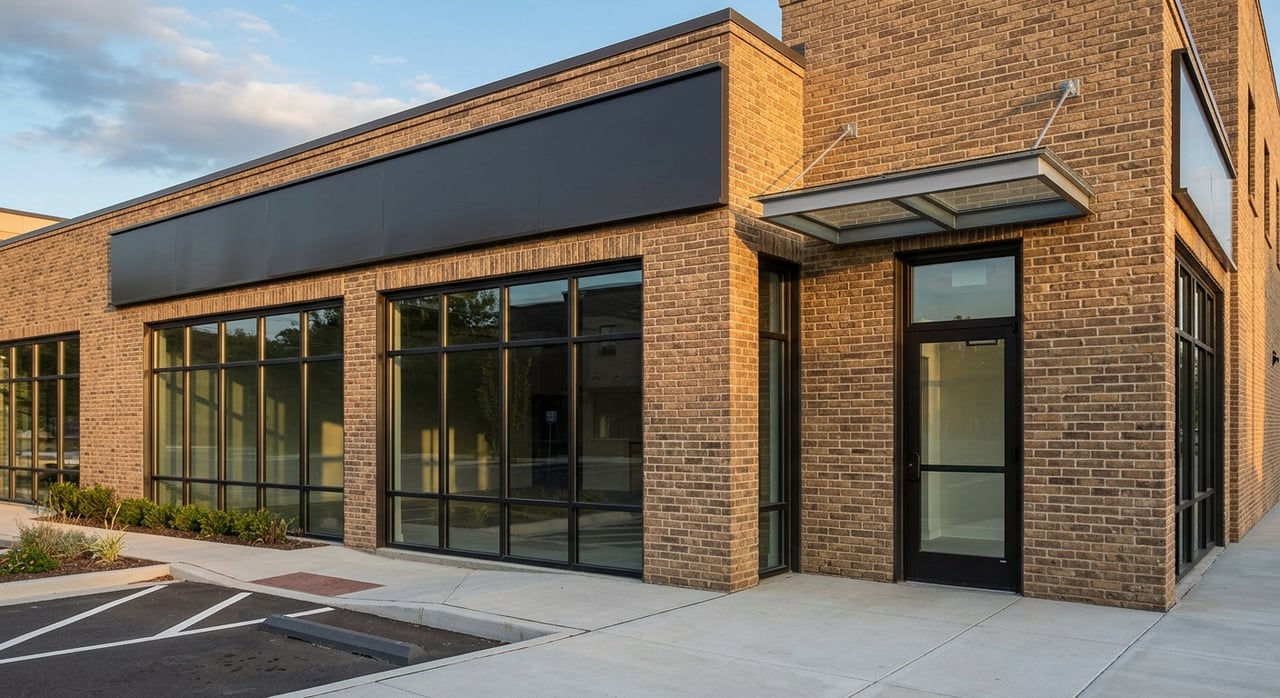
If you own commercial property in South Salt Lake, you are not just competing on rent. You are competing on how clearly your space fits the way modern tenants move, work, and arrive. The good news is that this market already gives you a strong story to tell, and with the right positioning, even an older asset can stand out. Let’s dive in.
Why South Salt Lake Stands Out
South Salt Lake is a compact inner-suburban market with about 27,000 residents and roughly 3,200 businesses. The city has long been a commercial and industrial hub, and today it is also building around a growing downtown and streetcar-oriented district. That mix matters because it creates a market where visibility, flexibility, and access all carry real weight.
The city also has a renter-heavy housing profile, with just 37.9% owner occupancy and median gross rent of $1,329. While residential data does not directly set commercial demand, it helps frame a local market where mobility, convenience, and adaptable space tend to matter. For landlords and owners, that means your leasing strategy should reflect how people actually navigate the area.
Modern Tenants Want Easy Access
In South Salt Lake, location is about more than the street address. It is about how easily someone can reach the property by car, transit, bike, or on foot. That broader access story is often what helps a property feel more useful and more competitive.
The city says South Salt Lake is served by three TRAX lines, the S-Line streetcar, and six bus routes. It also notes that more than half of local households own one or zero vehicles. That makes transit adjacency and bike access meaningful leasing features, not just nice extras.
Transit Is Part of the Value
UTA describes the S-Line as Utah’s first modern trolley, running two miles with seven stops between South Salt Lake and Sugar House. It also connects to TRAX and bus service and runs alongside a bike and pedestrian greenway. As of May 2026, the S-Line extension is under construction, with service expected in fall 2027.
If your property sits near this network, that should be part of your marketing language and your on-site presentation. Tenants looking at office, medical, neighborhood retail, or service space often value shorter, simpler trips for staff, clients, and customers.
Corridors Help Tell the Story
State Street and 3300 South are not just road names. They are major corridors that help connect South Salt Lake to the broader valley. Life on State identifies State Street as part of a five-mile revitalization corridor, while UDOT describes 3300 South as a major east-west route.
For your property, this means the strongest message may be a combination of corridor visibility, clear wayfinding, and regional convenience. A building that is easy to find and easy to access often feels more modern to tenants, even before they step inside.
Older Buildings Can Compete
Many South Salt Lake properties were built for an earlier era, but that does not mean they are obsolete. In fact, the city’s economic development messaging points to many older commercial buildings as ripe for renovation. That is an important signal for owners considering repositioning.
You do not need to force an older building to compete as luxury product if that is not the right fit. In many cases, the better play is to present it as a well-located, adaptable, professionally refreshed property that offers a strong cost-to-convenience tradeoff.
Adaptive Reuse Fits the Market
South Salt Lake’s East Streetcar form-based code supports adaptive reuse that retains a building’s character. The code also emphasizes active street fronts, visible entries, and frontage that engages the street and the S-Line corridor. In practical terms, that tells you tenants and the city both respond to spaces that feel connected, open, and easy to understand.
For an older retail, office, or flex property, this can be encouraging. You may not need a full rebuild to improve leasing performance. A cleaner façade, better entry sequence, stronger lighting, and more obvious circulation can change how the property is perceived.
Position for Easy Arrival
One of the clearest themes in South Salt Lake is that modern tenants value easy arrival. That includes parking, but it also includes how clearly someone can enter the site, find a suite, and move around without confusion. If arrival feels awkward, the space can lose momentum before a tour even starts.
Parking Still Matters
Yes, parking still matters in South Salt Lake. But the city’s code gives owners more than one way to solve for it. Shared parking agreements, certain off-site parking options within 300 feet, and transit-linked flexibility in some transit-oriented areas can all support a practical leasing strategy.
That matters for smaller or older properties where a large parking field is not realistic. A tidy lot, a clearly marked path to the entrance, and a thoughtful parking plan can make a property far more marketable than a raw stall count alone.
Bike and Pedestrian Access Matter Too
South Salt Lake’s code requires bicycle parking to be separated from vehicle parking and placed so it does not obstruct pedestrian flow. That reflects a broader city priority around multi-modal access. If your site already has room to improve bike parking or sidewalk circulation, those are worthwhile details to evaluate.
For tenants, these features support daily usability. For owners, they strengthen the story that your property works for how people actually move through South Salt Lake.
Position for Easy Understanding
Modern tenants often make fast judgments from the curb. If the building reads as confusing, dated, or hard to navigate, they may assume the inside will feel the same. This is why visual clarity matters so much.
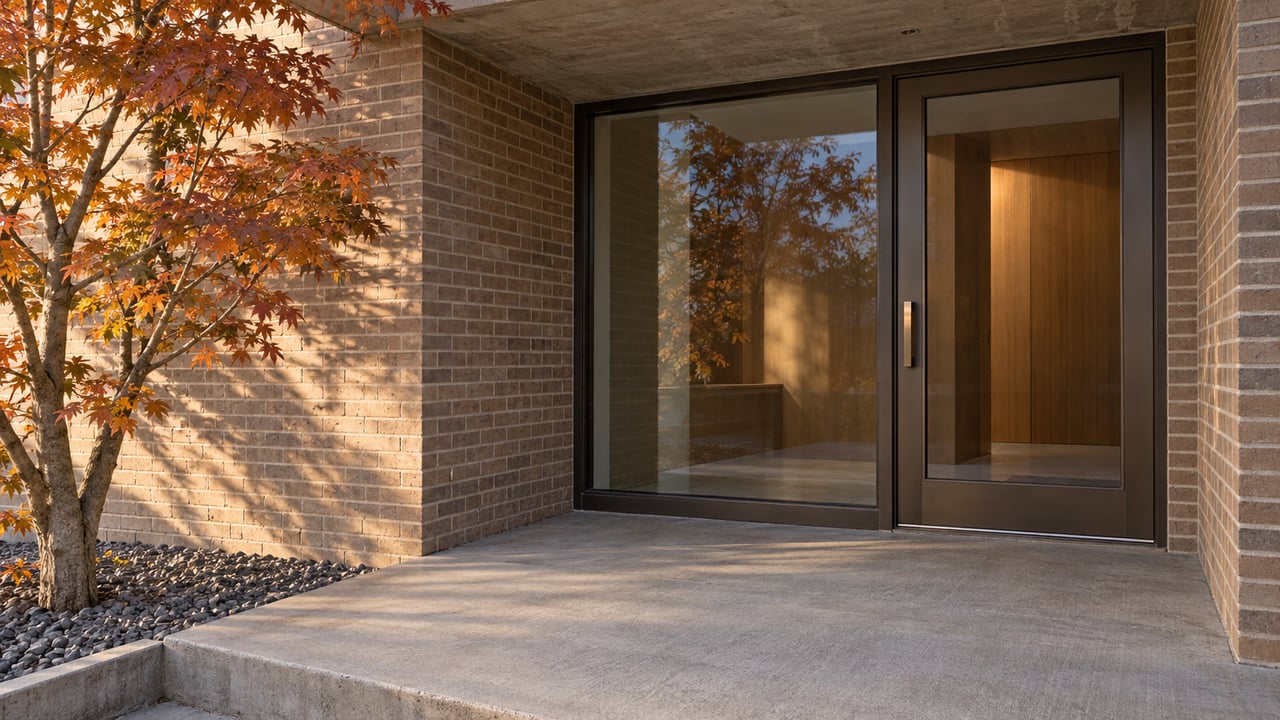
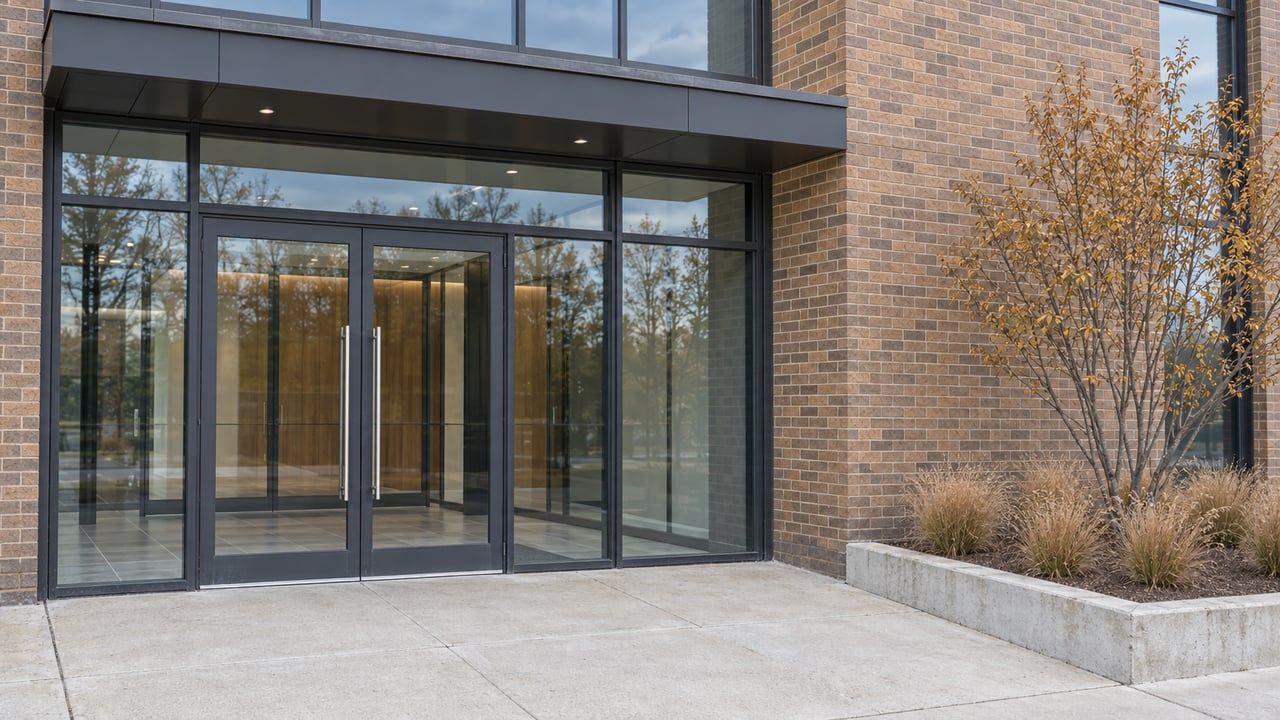
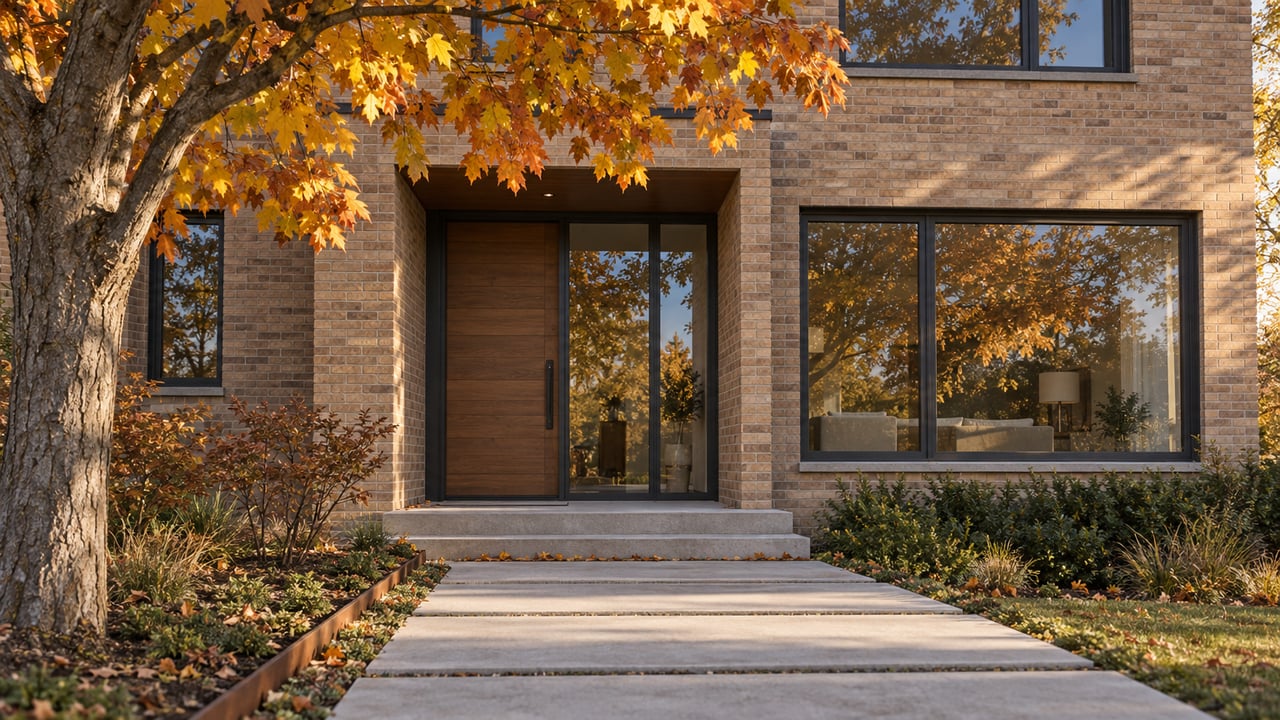
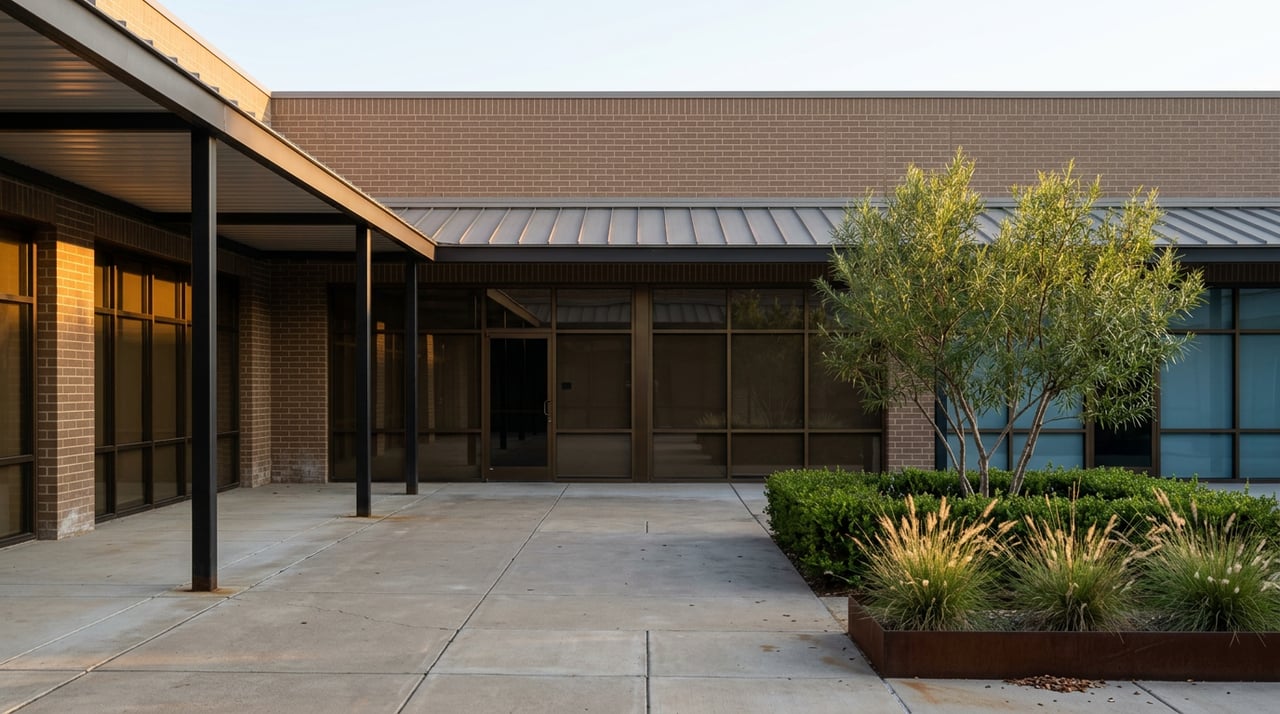
South Salt Lake’s form-based code puts a clear emphasis on transparency, active frontage, and entrances that face the public realm. Some building types even require 65% ground-story transparency. While every property is different, the underlying lesson is simple: visible openings, natural light, and a clear public entry can matter as much as square footage.
What to Improve First
If you are repositioning a property, start with the features tenants notice immediately:
- Street visibility
- Building signage and wayfinding
- Entry clarity
- Window condition and transparency
- Exterior lighting
- Parking lot organization
- Pedestrian flow from curb to suite
These are often practical upgrades, not dramatic ones. But together, they help the property feel cleaner, safer, and easier to lease.
Position for Easy Adaptation
The third major theme is easy adaptation. South Salt Lake’s mix of business types and property price points makes flexibility especially valuable. A space that can support office, medical, neighborhood retail, or service use with limited overhaul is often more resilient in leasing.
This is where older buildings can regain an edge. If the shell is sound, the frontage is visible, and the layout can be adjusted without major structural work, you may have a strong leasing product. The goal is to show tenants how the space can work for them now, not just what it used to be.
Flexible Space Wins Attention
For many tenants, especially professional and service users, a property does not need to be brand new. It needs to be functional, presentable, and easy to occupy. Clean suites, efficient layouts, and straightforward build-out potential can be more persuasive than flashy finishes.
South Salt Lake planning approvals for newer downtown projects also show the city rewarding practical lifestyle and usability features. Materials reference things like unbundled parking, secured bike storage, transit passes, lobby and social space, mail and package rooms, indoor fitness or wellness areas, flex work space, rooftop outdoor areas, and public art. These may not be required citywide, but they show the direction of tenant-facing value in urban projects.
Repositioning Starts Before Construction
In South Salt Lake, repositioning is not just a design exercise. It is also a planning and feasibility exercise. The city directs applicants to review zoning, use the zoning map, and work through predevelopment consultations and complete application review.
That means owners should evaluate entitlement and code issues early, especially if a property may shift uses, alter frontage, or rely on shared parking or other access solutions. A smart repositioning plan starts with what is actually feasible, then aligns design and marketing around that reality.
A Strong South Salt Lake Leasing Message
If you are marketing property in South Salt Lake, the strongest message is usually not “luxury.” It is well-located, adaptable, and professionally presented space in a market shaped by transit, corridors, and practical mobility. That message fits both the city’s planning direction and the needs many tenants bring to the market.
In plain terms, the most effective positioning often comes down to three ideas:
- Easy arrival through parking, transit, bike access, and clear circulation
- Easy understanding through visibility, transparency, signage, and professional presentation
- Easy adaptation through flexible suites and practical build-out potential
When you align your property with those themes, you make it easier for tenants to picture themselves in the space. That is what repositioning is really about.
If you are weighing leasing strategy, repositioning options, or entitlement considerations for a South Salt Lake property, Dan Rip offers senior-level local guidance grounded in Salt Lake County market knowledge and hands-on commercial advisory.
FAQs
How should you market older commercial property in South Salt Lake?
- Focus on location, access, visibility, and flexibility. The strongest message is often that the property is well-located, professionally refreshed, and adaptable for modern users.
Does transit access matter for South Salt Lake tenants?
- Yes. South Salt Lake is served by three TRAX lines, the S-Line streetcar, and six bus routes, and the city says more than half of households own one or zero vehicles.
Does parking still matter for South Salt Lake leasing?
- Yes. Parking remains important, but South Salt Lake’s code also allows tools like shared parking and certain off-site parking solutions that can help smaller or older properties compete.
Can an older South Salt Lake building compete with newer space?
- Yes. The city’s economic development and planning materials support renovation, adaptive reuse, and corridor-oriented activation, which can help older assets stay competitive.
What features make a South Salt Lake property feel more modern?
- Clear entrances, better lighting, stronger signage, visible storefront glass, organized parking, and easier pedestrian and bike access can all improve how a property is perceived.
Why is entitlement planning important for South Salt Lake repositioning?
- Because repositioning may involve zoning, parking, frontage, or use considerations. South Salt Lake uses predevelopment consultations and multi-department review, so feasibility should be part of the process from the start.