If you run a clinic, dental office, wellness practice, or professional service firm, location is not just about rent. It is about how easily people can find you, reach you, park, and return. In West Valley City, those basics line up well for many service and medical users, especially if you want strong west-side access and a broad local customer base. This guide will show you why West Valley City stands out, what areas deserve a closer look, and what to evaluate before you sign a lease. Let’s dive in.
West Valley City offers real demand
West Valley City is Utah’s second-largest city, with an estimated 137,491 residents in 2025. That size alone matters for office tenants because it gives you a large nearby population base without requiring every client or patient to drive across the valley.
The city’s population profile also supports a wide range of service and healthcare uses. According to city-referenced Census data, 30.0% of residents are under 18, 9.0% are 65 or older, 43.3% identify as Hispanic or Latino, 24.1% are foreign-born, and 42.8% of residents age 5 and older speak a language other than English at home. For many practices, that can translate into demand for family-oriented care, multilingual communication, and everyday neighborhood-based services.
There is also an existing base of office-oriented business activity here. West Valley City’s 2025 workforce dashboard shows 236 health care and social assistance businesses, along with 234 professional, scientific, and technical service businesses. That is a useful signal that medical, wellness, and professional office users already have a place in the local economy.
Access is a major advantage
For many office and medical tenants, access can matter as much as demographics. West Valley City has direct connections to I-215, SR-201, Bangerter Highway, I-15, and I-80, and the city notes that downtown Salt Lake City and the airport are about 10 minutes away.
That kind of road network helps in practical ways. Patients, clients, and staff can often reach your office from multiple directions, which can improve convenience and reduce dependence on one corridor or one neighborhood.
Transit adds another layer of reach. The UTA TRAX Green Line serves West Valley City, and the Midvalley Express BRT began service between West Valley Central and Murray Central on April 12, 2026. For offices that serve staff, younger clients, or households that prefer transit access, that matters.
Fairbourne Station stands out
If you are comparing office and medical locations in West Valley City, Fairbourne Station deserves a close look. The city describes it as a premier transit-oriented development that combines civic services, open space, housing, retail, hospitality, and office space.
That mix works well for service businesses because it creates everyday activity beyond a single rush hour. It also supports the kind of visibility and convenience many medical and professional tenants want.
The station area has strong regional reach. The city’s plan says the district is visible from I-215 and 3500 South, is five minutes or less from four freeways, and has an estimated 778,000 people within a 15-minute drive and 1.578 million within a 30-minute drive.
Fairbourne Station is also not just a future concept. The area has already added a hotel, office building, medical office building, multifamily housing, and plaza and park uses. That existing mix can help create a more established feel for tenants who want a setting with multiple activity drivers.
Why mixed-use matters for offices
For a service or medical user, mixed-use districts can support stronger daily patterns than isolated office buildings. People may already be in the area for errands, housing, civic services, dining, or transit, which can make your location easier to remember and revisit.
That does not mean every business needs a high-energy setting. But for many practices, being in a district with regular movement and visibility can support brand presence and easier wayfinding.
Key streets to watch
Within this node, a few corridors are especially relevant. The station-area plan identifies 3500 South as the primary commercial access street, Constitution Boulevard as a commercial link between Fairbourne Station and Valley Fair Mall, and Market Street as a major pedestrian connection for residents, hotel guests, office workers, retail customers, and transit riders.
If your business depends on easy arrival and repeated visits, those details matter. A good site is not just in the right district. It also sits on the right approach, with clear access and a straightforward front-door experience.
Event and entertainment activity can help visibility
Another reason this part of West Valley City works is the concentration of major destinations. Maverik Center is a multi-purpose arena at 3200 South Decker Lake Drive, with seating that ranges from roughly 10,000 to over 12,000 depending on the event setup.
The city also identifies Maverik Center and the West Valley Performing Arts Center within its Entertainment District, where hotels, restaurants, and pedestrian-friendly uses are encouraged. For nearby office and medical tenants, that can support stronger area recognition and a more active commercial setting.
That said, event-oriented visibility is not the same as daily operational fit. A site near an arena or mall may benefit from exposure and spillover traffic, while a quieter corridor site may offer simpler parking and a calmer arrival experience. The best choice depends on how your patients or clients actually use your office.
West Valley City has multiple office patterns
West Valley City is not built around one central office core. Its planning documents show more of a corridor-and-node pattern, with major opportunity areas around four light rail station areas, 3500 South and Redwood Road, and the southwest opportunity area.
That gives tenants several different site types to compare. Depending on your use, branding, and operational needs, one format may fit much better than another.
Common options for tenants
The main building patterns include:
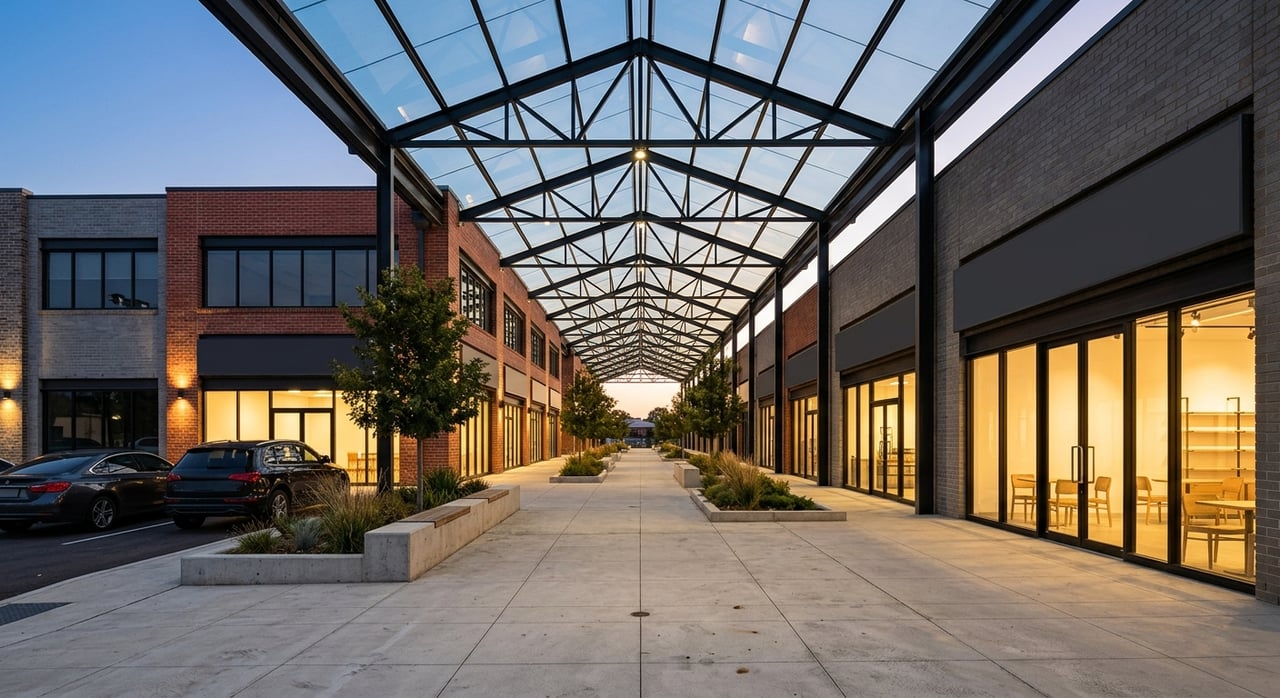
- Mixed-use buildings in Fairbourne Station
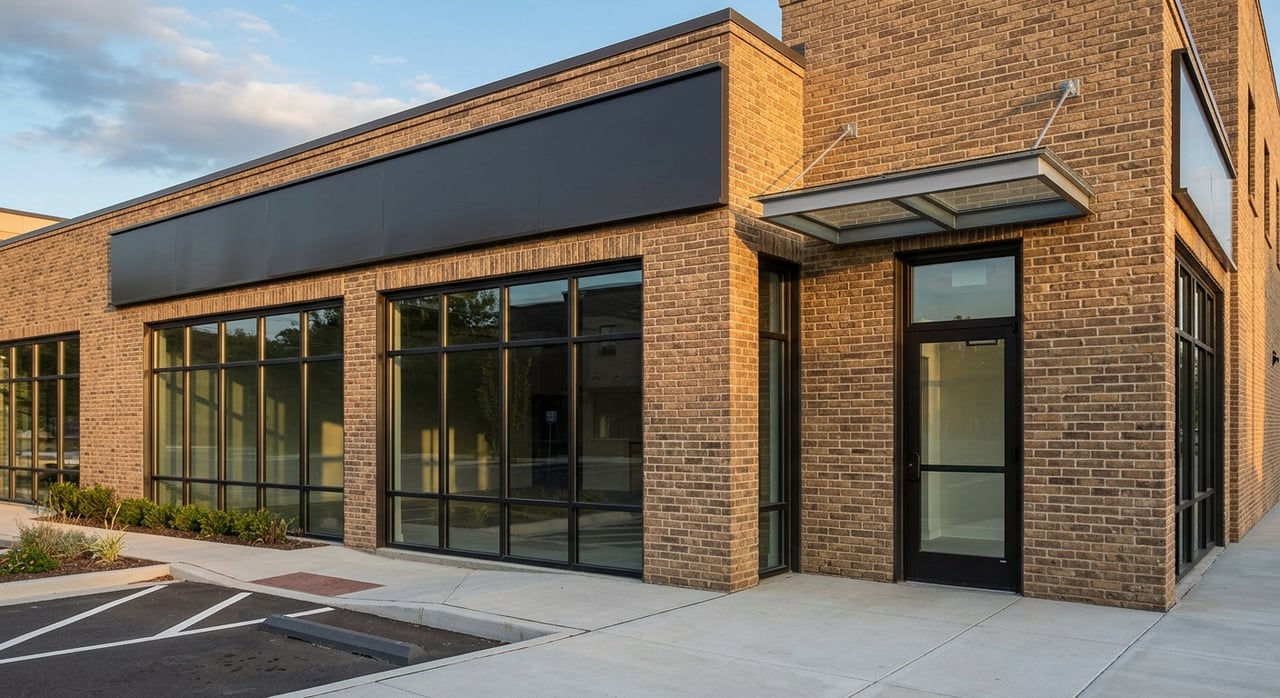
- Inline or stand-alone suites in general commercial areas
- Small professional suites in non-retail commercial areas
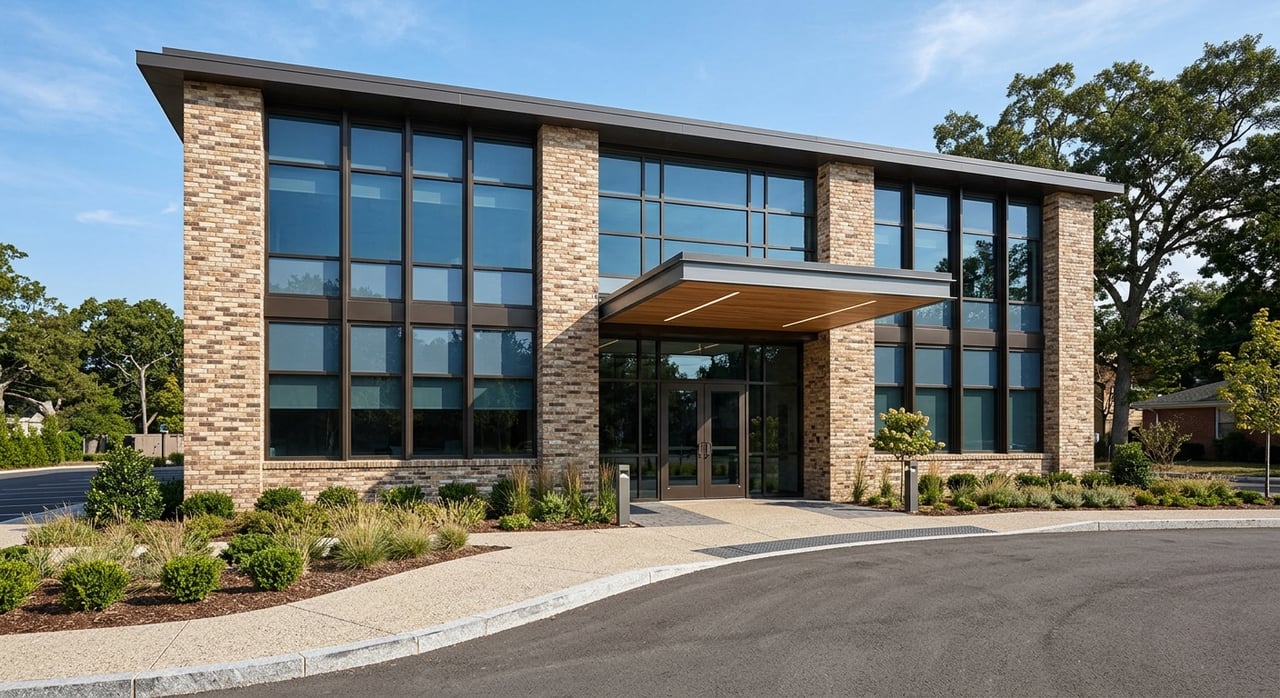
- Office buildings in business parks
This variety is useful because not every office has the same priorities. A therapy practice, dental office, consulting firm, and regional medical user may all want different combinations of parking, frontage, access, and interior layout.
Business parks can suit professional users
West Valley City also includes established business park environments. The city identifies places such as Lake Park Corporate Center, West Ridge Commerce Park, Decker Lake Business District, and Metro Business Park as homes for major firms.
For some professional service users, a business park setting can offer a cleaner arrival pattern, more predictable parking, and a more traditional office image. That can be especially useful if your work depends more on appointments and staff operations than on drive-by visibility.
5600 West and major corridors draw daily traffic
If your office depends on frequent local trips and everyday convenience, the 5600 West corridor is important. The city describes it as the strongest retail and service node on the west side and a major regional commercial center.
That matters because many service businesses perform best where daily routines already happen. Corridors tied to shopping, dining, commuting, and errands can create repeat exposure and make visits feel easy to combine with other stops.
The city also notes continued redevelopment along 3500 South and Redwood Road. For tenants, that can mean a wider set of suite options in active commercial areas rather than a single concentrated office district.
What medical and service tenants should evaluate
A strong location on paper is not always the right suite in practice. In West Valley City, the best office choices usually combine corridor visibility, quick freeway access, and enough flexibility to handle patient or client flow well.
Before you move forward, focus on how the site actually functions day to day.
Practical checklist for medical offices
For a medical or dental practice, key items often include:
- Easy patient wayfinding
- Adequate parking and convenient stall location
- Ground-floor or elevator access
- Space for reception and waiting areas
- Plumbing capacity for exam or treatment rooms
- Storage and back-of-house support
- A layout that limits costly tenant improvements
These basics can affect both startup cost and long-term operations. A space that looks attractive but fights your workflow can become expensive fast.
Practical checklist for professional offices
For professional service users, the priorities may shift slightly. Common decision points include:
- Strong front-door image
- Straightforward visitor parking
- Clean and visible signage opportunity
- Nearby complementary commercial activity
- Access for staff from major roads or transit
- A layout that supports private offices, meeting space, or reception
In many cases, a simple and efficient office beats a more visible location with operational headaches. The right fit depends on how you serve people, not just how a site looks from the street.
Compare event-driven sites with everyday sites
One of the smartest ways to narrow your search is to separate high-activity locations from everyday neighborhood or corridor locations. Mall-adjacent and arena-adjacent properties may offer stronger visibility, while quieter commercial corridors or business parks may offer easier parking and simpler circulation.
Neither is automatically better. The right answer depends on your patient profile, appointment schedule, staffing needs, and branding goals.
A pediatric, urgent care, dental, or wellness user may value a highly convenient errand-based location. A law office, accounting firm, or back-office-heavy professional service may prefer a calmer site with easier arrivals and fewer peak-time conflicts.
Construction and access checks matter right now
When you tour sites, verify current access conditions instead of relying only on maps or old assumptions. UDOT says the I-215 West Improved project is active between SR-201 and I-80 through late summer 2027.
That does not mean West Valley City is hard to reach. It does mean you should confirm ramp status, turning movements, and the latest construction schedule before you commit to a lease.
For many tenants, this is where experienced local guidance adds value. A location can look strong in a brochure but perform differently once you test the actual arrival pattern, parking field, and peak-hour access.
Why West Valley City makes sense
West Valley City works well for service and medical offices because it combines a large local population, a broad customer base, major freeway access, transit options, and several active commercial nodes. It also offers multiple property formats, from mixed-use districts to corridor suites and business park offices.
In practice, some of the most compelling options are often in Fairbourne Station, along 3500 South and Constitution Boulevard, or near 5600 West and other active commercial corridors. The best site is usually the one that supports easy arrival, repeat visits, and efficient day-to-day operations for your specific use.
If you are weighing office or medical space in West Valley City, a focused local search can save you time and help you avoid costly fit-out or access mistakes. To talk through location strategy, lease negotiations, or site selection, schedule a free consultation with Dan Rip.
FAQs
Why is West Valley City a good fit for medical offices?
- West Valley City offers a large resident base, strong freeway connections, transit service, and several commercial nodes that can support patient access, visibility, and repeat visits.
Which West Valley City area is best for professional office space?
- It depends on your needs, but Fairbourne Station, 3500 South, Constitution Boulevard, 5600 West, and selected business park locations are all worth comparing based on access, parking, and office image.
What should you look for in a West Valley City medical suite?
- Focus on wayfinding, parking, accessibility, plumbing needs, reception and waiting space, storage, and whether the suite can support your layout without excessive improvement costs.
Does transit matter for West Valley City office tenants?
- Yes, for many users it does. TRAX Green Line service and the Midvalley Express BRT can improve access for staff and some patients or clients.
Are high-visibility sites always better in West Valley City?
- Not always. Arena- or mall-adjacent sites may offer stronger exposure, while quieter corridor or business park sites may provide easier parking and a simpler arrival experience.
Should you check road construction before leasing in West Valley City?
- Yes. With the I-215 West Improved project active through late summer 2027, you should verify current ramp access, turning movements, and travel patterns before signing.