If you are watching Downtown Daybreak take shape, one question stands out fast: do all those games, concerts, movies, and family activities really help local businesses? In a growing mixed-use district, the answer is yes, but the real opportunity is not just event-night traffic. It is the steady mix of residents, workers, visitors, and repeat customers who keep showing up throughout the year. Let’s take a closer look at how Downtown Daybreak events support local businesses and why that matters if you own, lease, or are considering commercial space nearby.
Downtown Daybreak Creates More Than Event Traffic
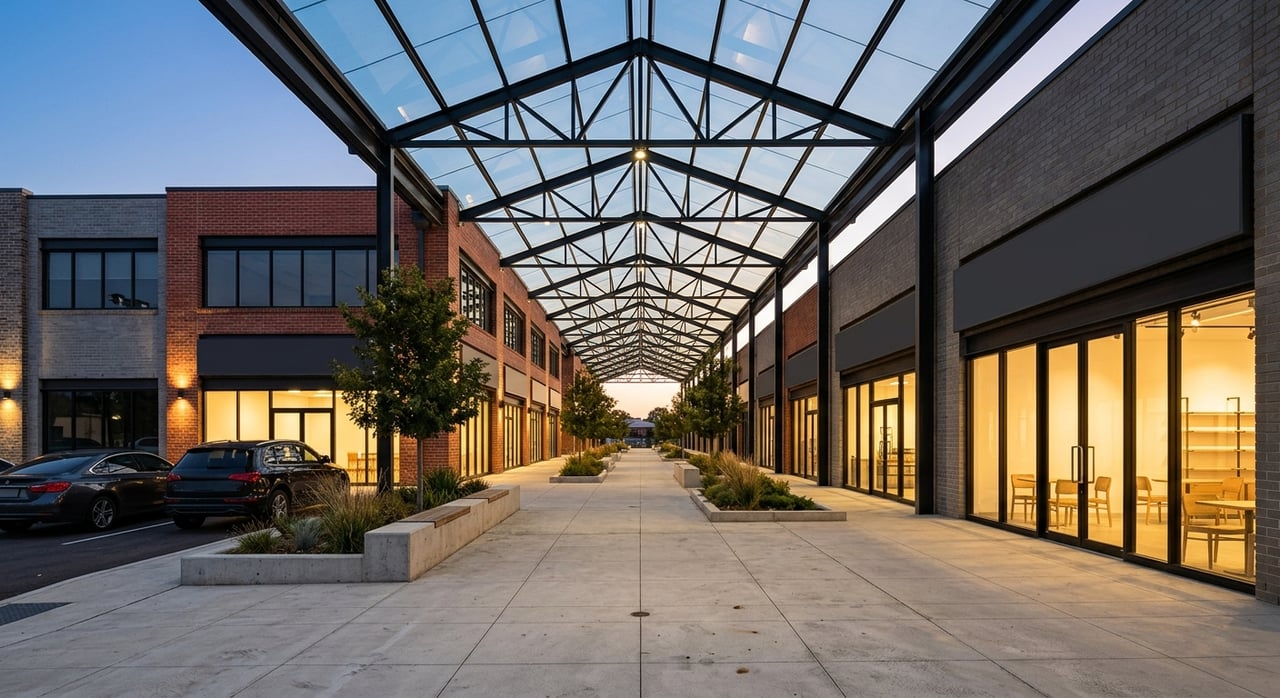
Downtown Daybreak is the urban core of the Daybreak community in South Jordan. Official sources describe it as a 200+ acre, walkable, bikeable, transit-connected mixed-use district with two TRAX stations, nearby trails, thousands of existing homes, and thousands more entitled for future growth.
That mix matters because it creates a built-in customer base. You are not looking at a standalone venue that goes quiet between major events. You are looking at a district designed to combine housing, retail, office, entertainment, and public gathering spaces in one connected area.
South Jordan also reports nearly 2,000 active business licenses and more than 27,000 jobs as of June 2026. That adds another layer of demand beyond visitors who come in for a baseball game or concert.
Year-Round Events Keep People Coming Back
One of the biggest strengths in Downtown Daybreak is that activity is not tied to one season. Official district materials describe it as a sports and entertainment district with Salt Lake Bees baseball, first-run movies, bowling, games, outdoor concerts, family-friendly activities, and year-round events.
That kind of schedule helps local businesses in a very practical way. Instead of relying on a short burst of seasonal traffic, businesses can benefit from repeat visits across the calendar.
The public events calendar lists movies, bowling, and games through the end of 2026. Seasonal programming such as ice skating and holiday lights also helps extend traffic into colder months, which is important for restaurants, dessert shops, and retailers that need more than summer crowds.
Why Mixed-Use Design Helps Businesses
A big part of the Downtown Daybreak story is not just the event lineup. It is the district design. The ballpark, outdoor performance venue, theater uses, retail, apartments, office space, and future arts center are planned as part of one connected district.
That design encourages people to linger before and after events. A visitor might arrive early for dinner, stay for a game or concert, and stop again for dessert or shopping before heading home.
It also supports everyday business between headline events. Office workers may create lunch demand during the week, residents may support restaurants and services in the evening, and families may show up on weekends for entertainment and dining. That overlap is where many commercial districts gain long-term strength.
Which Businesses Benefit Most
Not every business benefits in the same way from event activity. In Downtown Daybreak, the clearest winners are the uses that match how people move through an entertainment district.
Restaurants and Quick-Service Dining
Pre-event dining is one of the most obvious opportunities. Visitors often want something convenient before a game, concert, or movie, especially when they can walk from restaurant to venue.
The district’s current mix reflects that pattern. Official shop-and-dine materials list businesses such as Hires Big H, Moena Cafe, Red Iguana, Nomad Eatery, Naraya by Sawadee Thai, Jolley’s Corner, and Rockwell Ice Cream & Confections.
Dessert and Treat Concepts
Post-event traffic often favors a quick, easy stop. Ice cream, coffee, snacks, and casual dessert concepts can benefit when guests are not ready to head straight home.
This is especially true in a district built around family-friendly activities and movies. Those visits often create room for one more stop after the main event.
Family Entertainment Uses
Bowling, games, movies, and baseball naturally support businesses that serve groups. If you operate in a family-oriented format, repeated district programming can create both first-time visits and habits.
A family that comes in for a movie night may return another weekend for dining or another attraction. That repeat exposure is valuable because it builds familiarity over time.
Office and Service Users
The district is not only an evening destination. Because Downtown Daybreak includes office and mixed-use components, weekday business demand matters too.
That can support lunch-oriented food uses, coffee, and certain professional or service-oriented tenants that benefit from proximity to a growing daytime population. The key is that demand can come from several directions at once, not just from one event window.
Game Days, Concert Nights, and Movie Nights Differ
Not all event traffic behaves the same way. If you are evaluating commercial space, it helps to understand how different event types can shape customer patterns.
Game Days
Baseball tends to bring predictable surges around first pitch and right after the game. Guests often plan ahead for parking, transit, or group meetups, which can create strong pre-game dining and post-game spillover.
The ballpark itself is designed to keep guests on site longer with features such as field-level suites, party decks, in-seat dining packages, and a team store. That means some customer spending stays inside the venue, but it also helps create a larger destination effect around the district.
Concert Nights
Concert visitors may arrive earlier, stay later, and build more of an evening around the event. That can support restaurants, drinks, dessert, and walkable gathering spots before and after the show.
Because concert attendance can feel more social and less schedule-bound than a game, the surrounding district may see longer dwell time. For nearby businesses, that often means a wider spending window.
Movie and Family Activity Nights
Movie, bowling, and game-based traffic can be steadier and more frequent. These visits may involve smaller groups and more casual spending, but they happen across more days and seasons.
That consistency can be powerful. A business does not always need one huge spike if it can benefit from regular, repeat visits week after week.
Access and Convenience Increase Spillover
Downtown Daybreak is set up to make arrival easier, and that supports business activity. Official getting-here information points to TRAX access, parking lots, drop-off zones, rideshare options, and multiple bike racks.
The ballpark also encourages fans to carpool or use public transportation. When people have several easy ways to reach a district, they are often more willing to come early, stay longer, and make extra stops.
Walkability matters here too. When restaurants, shops, and venues are close together, businesses have a better chance to capture spending that was not rigidly planned in advance.
Cross-Promotion Already Plays a Role
Official event pages already show that cross-promotion is part of the district approach. For example, event materials for the World Cup Watch Party directed guests toward nearby food options in Downtown Daybreak.
That kind of coordination helps businesses because it turns the district into a shared experience, not a collection of isolated storefronts. If visitors are being reminded where to eat or gather nearby, spillover becomes more intentional.
For tenants and landlords, that is an encouraging sign. It suggests the district benefits when entertainment and retail work together instead of competing for attention.
Future Growth Could Expand the Opportunity
Downtown Daybreak is still evolving. One major future catalyst is the Larry H. & Gail Miller Family Arts Center, which Salt Lake County says is in design and is expected to include an 800-seat proscenium theater, a visual art gallery, and classroom space, with an opening targeted for early 2028.
A venue like that can broaden traffic patterns even further. Theatergoers, arts programming, classes, and gallery visitors can add new reasons to visit at different times of day and week.
For nearby businesses, more varied programming often means a more resilient customer base. It can also create demand that extends beyond sports and family entertainment alone.
How Businesses Can Capture Event Spillover
If you are evaluating how to perform well in this kind of district, the best strategies are usually simple and operationally sound.
Focus on Timing
Think about what customers want before and after events. Pre-game meals, post-concert desserts, quick movie-night snacks, and weekday lunch options all meet specific visit patterns.
Build Around Walkability
Formats that work well in a walkable district often make it easy for people to stop in without a lot of planning. Quick ordering, visible storefronts, outdoor-facing layouts, and convenient pickup all help.
Official materials for Nomad Eatery, for example, highlight patio seating. Features like that can fit well in a district where people are already moving on foot between destinations.
Use Planned Partnerships
The safest way to benefit from district traffic is through coordinated promotions, special offers, or approved partnerships. That is different from trying to set up informal vending or solicitation near an event.
Downtown Daybreak event policies state that solicitations and commercial activity are not allowed in the event area, and vendor displays are not allowed in designated fire lanes. Businesses should treat event-related activations as planned, approved efforts rather than casual pop-ups.
Permits and Approvals Matter
If you are thinking beyond everyday operations, approvals should be part of the plan from the start. South Jordan states that outdoor special events with 100 or more people require a Special Event Permit, and applications must be filed and paid at least 30 days before the event and before advertising.
That timing matters. If a business wants to host a larger branded event, delay can put the whole effort at risk.
Signage and temporary displays should also be checked carefully. South Jordan’s code-compliance guidance directs businesses to city rules for sign posting, and the city’s development-services fee study identifies separate permit categories for signs and temporary banners or signs.
If you are a tenant or owner, it is wise to confirm signage, patio use, and any temporary activation with both the city and the property owner or landlord before launch. Small compliance steps can prevent bigger problems later.
What This Means for Commercial Real Estate Decisions
For owners, tenants, and investors, Downtown Daybreak offers a useful case study in how event programming can strengthen a commercial district. The biggest takeaway is that the business story is broader than one ballpark or one event series.
You have a district built around access, mixed uses, year-round programming, and future civic investment. That combination can support restaurants, retail, entertainment, and select service uses in ways that are hard to replicate in isolated suburban centers.
If you are evaluating space near Downtown Daybreak or elsewhere in Salt Lake County, it helps to look beyond raw traffic counts. The better question is how often people return, how long they stay, and how the district layout encourages spending across multiple uses.
That is where experienced local guidance matters. If you want help thinking through site selection, leasing strategy, entitlement questions, or commercial positioning in a fast-changing district, connect with Dan Rip to schedule a free consultation.
FAQs
How do Downtown Daybreak events help local businesses?
- Events bring repeat visitors into a mixed-use district where they can dine, shop, and spend time before and after games, concerts, movies, and seasonal activities.
Which businesses benefit most from Downtown Daybreak event traffic?
- Restaurants, quick-service food, dessert concepts, family entertainment businesses, and some office-supporting service uses are well positioned to benefit from the district’s traffic patterns.
Is Downtown Daybreak only busy during baseball season?
- No. Official district materials and public event listings show year-round activity that includes movies, bowling, games, concerts, and seasonal programming beyond baseball.
What is the best way to capture spillover from Downtown Daybreak events?
- The strongest approach is usually planned promotions, event-timed offers, and operations that fit a walkable district, rather than informal vending near event areas.
Are permits required for business events in South Jordan?
- Yes, larger outdoor special events with 100 or more people require a South Jordan Special Event Permit, and businesses should also verify any signage, banners, patio use, or temporary activation requirements in advance.