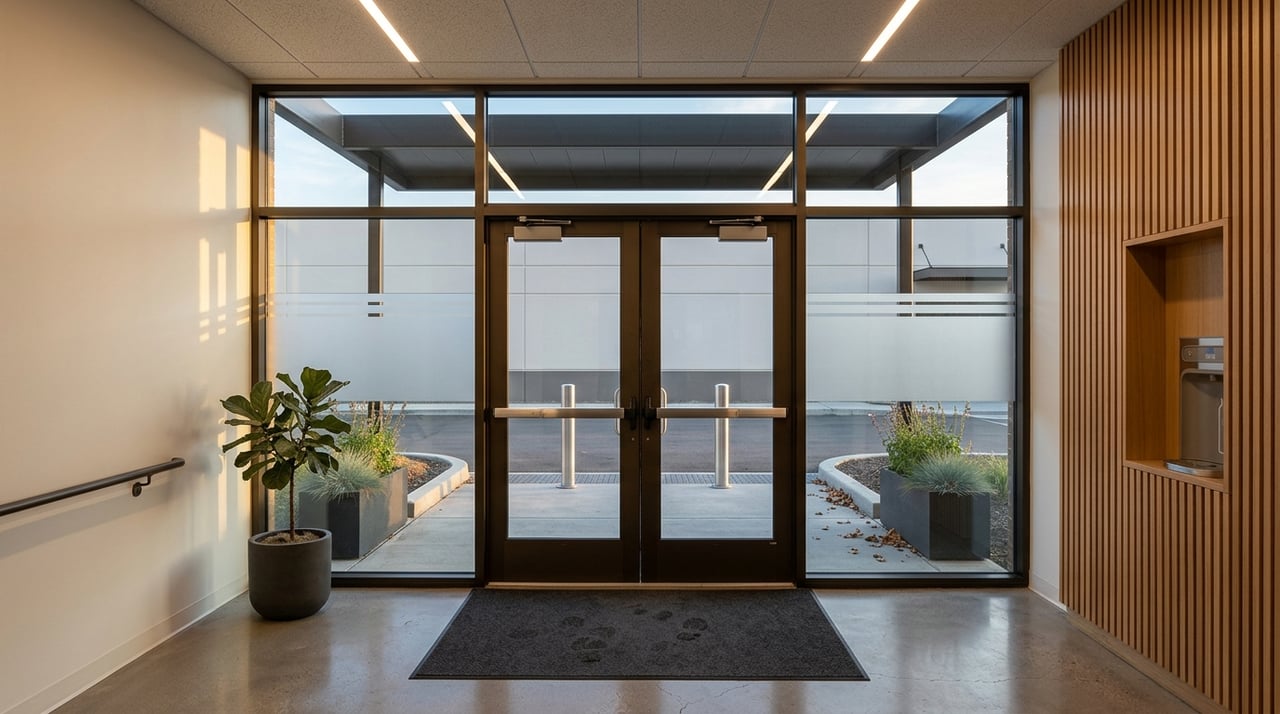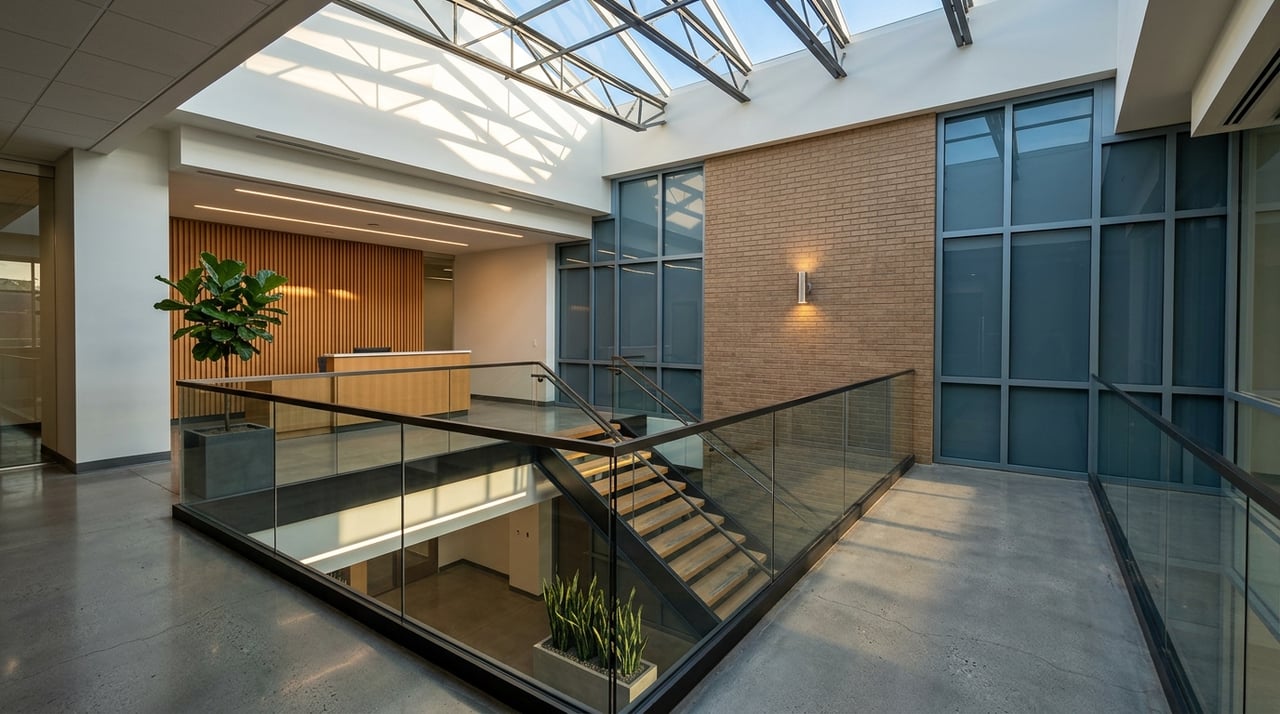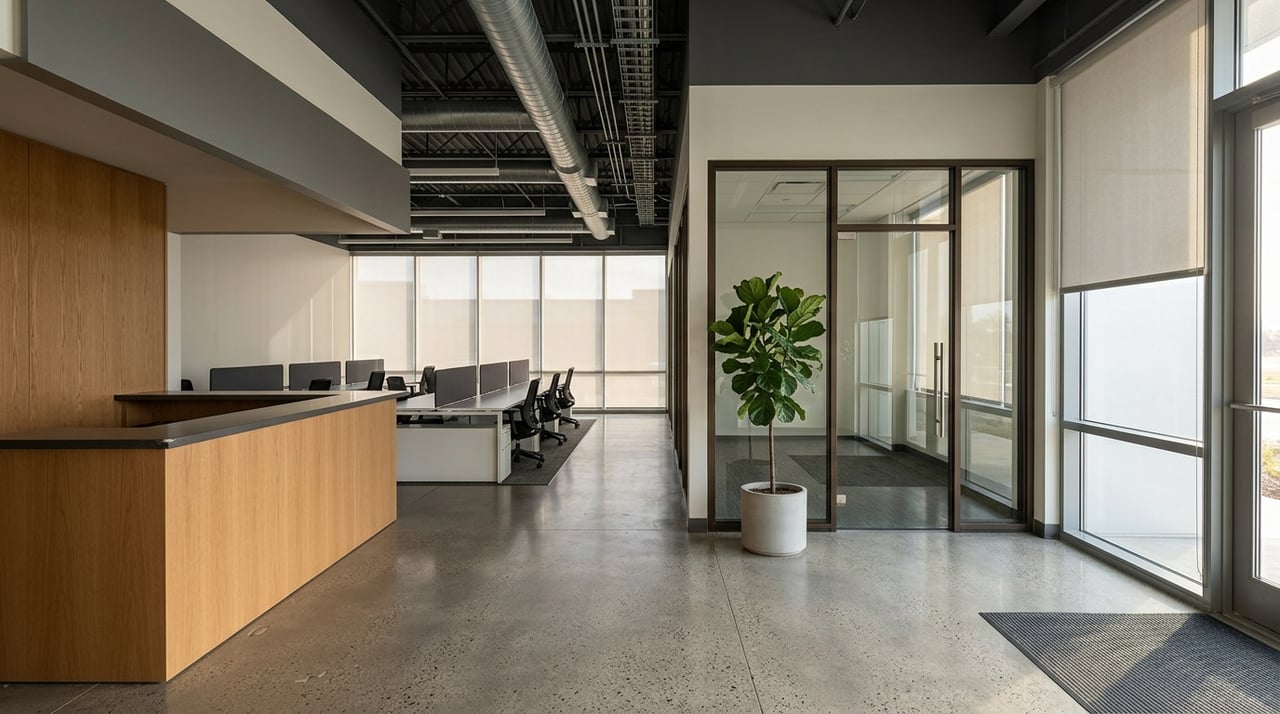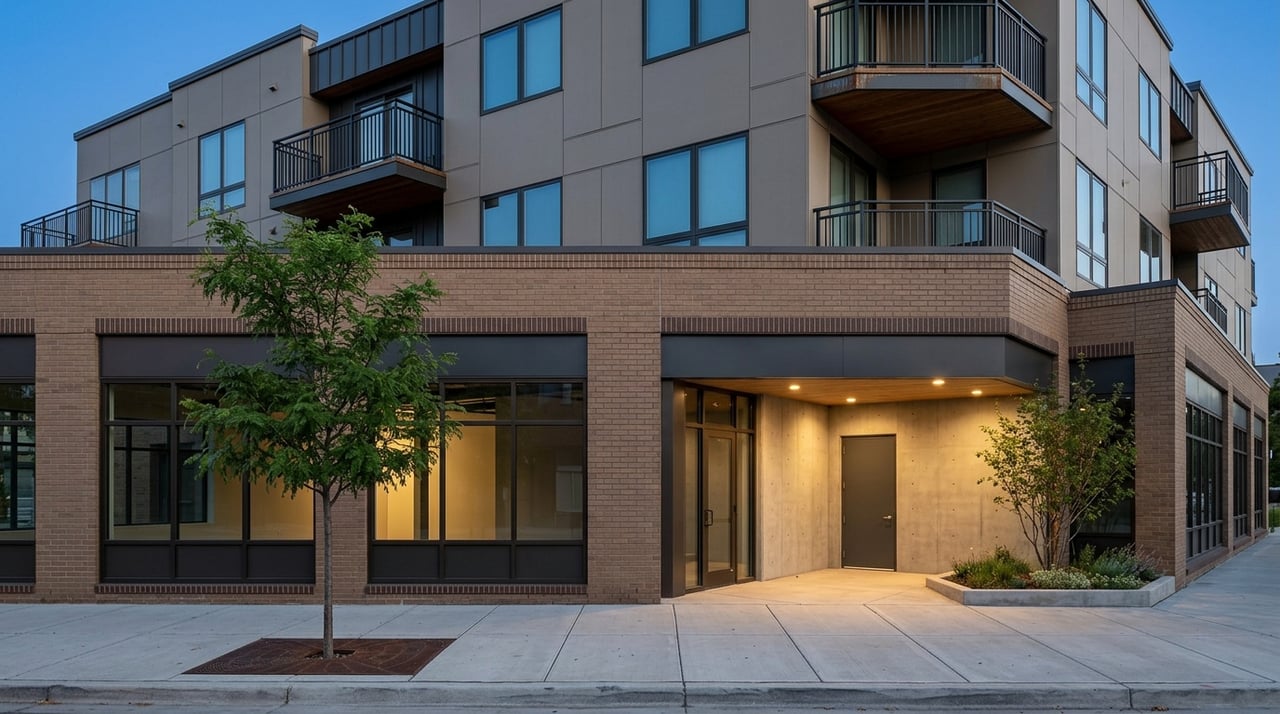
If you are looking at a small mixed-use development around Holladay City Center, the biggest risk is often not the market. It is assuming every nearby parcel plays by the same rules. In Holladay, a site’s zone can shape your ground-floor tenant mix, building design, review path, and timeline. This guide will help you understand how the city approaches small mixed-use projects near City Center so you can plan more clearly and move forward with fewer surprises. Let’s dive in.
Why zone confirmation comes first
Around Holladay City Center, the city’s planning framework focuses growth into a few key economic districts, including Holladay Village, Holladay Crossroads, and the Cottonwood redevelopment area. The general plan supports redevelopment that intensifies these districts while limiting impacts on nearby residential areas.
For a small project, that means your first practical question is simple: what zone governs the parcel? Near City Center, that often means the Holladay Village zone, the Holladay Crossroads zone, or a nearby transitional or office district. That answer affects what can go on the ground floor, how your building meets the street, and how much public review you should expect.
How Holladay sees the City Center area
Holladay Village's role
Holladay Village is the city’s traditional downtown core around Holladay Boulevard and Murray Holladay Road. The city envisions it as a local commercial center with integrated multifamily residential development.
The zoning code reflects that goal with a strong pedestrian focus. The district is meant to create a human-scaled environment and support a range of commercial, service, public, residential, and mixed-use land uses.
Holladay Crossroads' role
Holladay Crossroads is positioned differently. The city describes it as a gateway mixed-use district and one of its most valuable economic centers, intended to support a commercial district with a higher-density residential component.
That gateway role matters for smaller projects. The district is meant to blend older strip commercial patterns with newer mixed-use development, which can create more flexibility for redevelopment sites that are not in the core village setting.
Cottonwood redevelopment context
The broader Cottonwood redevelopment area, including Creekside Plaza and Holladay Center, is also important context near City Center. The general plan identifies this area as better suited to a mix of residential, office, employment-center, and some retail uses rather than a traditional regional retail mall format.
The city has also invested in the public realm around Holladay City Center and Village Plaza. Public discussions and improvements have included plaza activation, public art, furniture, and bike-rack additions, which signals that streetscape quality is not treated as an afterthought.
Holladay Village rules for small projects
Street-level retail is a major rule
In the Holladay Village zone, street-facing ground floors are retail-forward. Along Holladay Boulevard, Murray Holladay Road, 2300 East, and the Village Plaza, street-level floor space is limited to retail use, aside from small lobby areas that provide access to upper-story uses.
That is a major point for any small mixed-use concept. If you are imagining office, medical, or service-heavy space directly on one of those frontages, the village rules may not support that plan in the way you expect.
Design is expected to reinforce the village core
The village standards emphasize a pedestrian-oriented setting. The code points toward strong storefronts, plazas, public art, traditional building proportions, quality materials, roof articulation, and buffering where the zone meets residential property.
The code also says buildings should abut the right-of-way where possible. For a smaller infill project, that usually means the street edge and storefront experience need to be part of the design from day one, not added later.
Review includes design oversight
New development in the Holladay Village zone is reviewed first by the Design Review Board. From there, any applicable land-use application moves to the Planning Commission, and appeals go to the City Council.
That review structure matters because a project is not only being measured by use and setbacks. It is also being evaluated on how well it fits the village form and public-realm expectations.
Holladay Crossroads rules for small projects
Crossroads allows more frontage flexibility
The Holladay Crossroads zone still expects an active street edge, but its ground-floor rules are more flexible than the village core. Within 60 feet of collector or arterial rights-of-way, ground-floor uses may include retail, professional, personal-service, or entertainment uses, along with small lobby entrances to upper-story uses.
For a smaller mixed-use project, that can be a better fit for office-forward, medical-style, or neighborhood-service tenants. If your leasing strategy depends on that kind of user, Crossroads standards may align more naturally with your concept.
The district still expects an urban form
This is not a conventional suburban strip-retail standard. Front setbacks generally run from 15 to 25 feet, while side and rear setbacks are often zero except when the site is next to residential property.
The code also requires commercial and retail ground floors to have a 13-foot clear ceiling height. That affects both construction planning and tenanting, especially if you want flexibility for future users.
Site design is detailed and public-facing
Crossroads design standards require sidewalks, plazas, landscaping, clear entrances, bicycle parking near entrances, screened service areas, dark-sky lighting, underground utilities, and transparent ground floors. The code also requires at least 72 inches of sidewalk clearance in front of buildings.
Massing standards are equally specific. Multi-story street frontage cannot continue more than 100 feet without a roofline break, and no continuous elevation can exceed 75 feet without structural articulation.
Approval starts with the Planning Commission
In the Crossroads zone, new development, construction, and remodeling project plans must be approved by the Planning Commission. The code also notes that a Design Review Board recommendation should come first where available, with appeals to the City Council.
For a small project, this means you should expect a formal process even when the site seems straightforward. The city is focused on how each project contributes to the district’s gateway identity.
What the entitlement path looks like
Expect multiple steps
Holladay uses a three-step administrative review process for site plans involving non-residential development and multi-family projects with more than two dwelling units in one structure. That process includes completeness and pre-application review, preliminary Planning Commission review with a public hearing, and final review by the Technical Review Committee.
This is one reason timelines can stretch beyond what many small developers initially assume. Even a relatively compact mixed-use project may move through several meetings and revisions before final sign-off.
Meeting cadence affects timing
The city’s application materials say complete applications must be filed at least three weeks before the desired Planning Commission date. Technical Review Committee applications are reviewed every Tuesday, while the Planning Commission generally meets on the first and third Tuesday of the month.
City Council generally meets on the first and third Thursday. When you combine that cadence with staff comments, public hearing requirements, and potential redesign work, a small project can still become a multi-meeting process.
Conditional uses add another layer
If part of your proposal requires a conditional use, that requires a public hearing and a compatibility review against the general plan and surrounding area. The code also says conditional use approvals expire if the authorized work does not begin within two years, subject to a possible 12-month extension.
That makes early project definition especially important. A vague concept can cost time later if your use mix, layout, or parking strategy has to be revisited.
Public realm and parking matter more than many expect
The public realm is part of the project
Holladay’s mixed-use rules treat the public realm as part of the development itself. The code points to plazas, fountains, kiosks, public art, signage, street furniture, and pedestrian-scale design features as part of the district character.
That approach lines up with the city’s own investment around Village Plaza. If your concept leaves little room for pedestrian experience or gathering space, it may feel out of step with what the city is trying to build.
Parking should support the street
In the Crossroads zone, parking is not supposed to dominate the frontage. The code favors minimized curb cuts, cross-access between properties, and screened parking structures where applicable.
Extra parking is limited to 125 percent of the minimum required amount, though shared-parking analysis and parking partnerships may support a different approach. For a small infill project, that means your parking plan should be tied closely to tenant strategy and site circulation from the start.
Tenant strategy should match the frontage rules
Retail-heavy frontage in Holladay Village
If your parcel is in Holladay Village and fronts one of the main streets or Village Plaza, you should assume a retail-first ground-floor plan unless the code clearly allows otherwise. Upper-story office or residential uses may still fit, but the frontage itself is expected to stay commercially active at the pedestrian level.
That can work well for a project designed around storefront visibility and walkability. It can be harder for a concept centered on office or clinical users at grade.
More options in Holladay Crossroads
In Crossroads, the allowable ground-floor mix is broader. Retail, professional, personal-service, and entertainment uses can all fit within the district’s active-frontage rules.
That makes the zone potentially more workable for neighborhood office, medical, or service users that still benefit from a visible, walkable setting. For many small projects, this difference can shape both underwriting and design.
Local examples show how coordination matters
The city’s planning documents point to Block One in Holladay Village as a redevelopment example that helped establish the district’s unified appearance. That suggests the village standards can produce a consistent urban form when a project is tightly aligned with the code.
A larger example is the Cottonwood and Holladay Hills site development master plan. That approval organized commercial, residential, open-space, and parking allocations, set height bands, required a traffic-impact study, and tied some residential permit timing to minimum commercial square footage approvals by block.
Later city materials reported phased approvals for multiple Holladay Hills blocks and described a multi-year buildout. Even though that project is much larger than a small infill deal, it illustrates an important local reality: mixed-use approvals often unfold in phases, and early approvals do not always mean immediate completion.
What small developers should do first
A small mixed-use project near Holladay City Center usually has the best chance of success when you line up the basics early. The city’s code and planning documents point to a consistent pattern: zone clarity, frontage discipline, public-realm quality, and a realistic review timeline all matter.
Before you spend too much time on architecture or leasing assumptions, focus on these steps:
- Confirm the parcel’s zoning and any applicable subarea standards
- Match your ground-floor tenant plan to the frontage rules
- Build pedestrian design, plazas, and streetscape thinking into the concept early
- Test parking, access, and cross-access before your layout hardens
- Prepare for Design Review Board, Planning Commission, TRC, and possible City Council involvement depending on the zone and application type
- Assume the process may require multiple meetings and revisions
For owners, investors, and small developers, that early alignment can make a meaningful difference. In Holladay, the most workable mixed-use projects are usually the ones that respect the city’s district-specific goals rather than trying to force a generic template onto a highly visible site.
If you are evaluating a site, a redevelopment concept, or a tenanting plan around Holladay City Center, working through the zoning and entitlement path early can save both time and capital. Dan Rip can help you assess site fit, development strategy, and the local approval path before you commit too far down the road.
FAQs
What zoning matters most for a small mixed-use project near Holladay City Center?
- The key question is whether the parcel falls in Holladay Village, Holladay Crossroads, or another nearby district, because that affects allowed ground-floor uses, design standards, and review procedures.
What ground-floor uses are allowed in Holladay Village near the main frontages?
- In Holladay Village, street-level space fronting Holladay Boulevard, Murray Holladay Road, 2300 East, and Village Plaza is retail-only except for small lobby areas serving upper-story uses.
What ground-floor uses are allowed in Holladay Crossroads?
- In Holladay Crossroads, ground-floor uses within 60 feet of collector or arterial rights-of-way may include retail, professional, personal-service, or entertainment uses, plus small lobby entrances to upper floors.
What city review process applies to a small mixed-use development in Holladay?
- For non-residential developments and multi-family projects with more than two dwelling units in one structure, Holladay uses a three-step process that includes completeness and pre-application review, preliminary Planning Commission review with a public hearing, and final Technical Review Committee review.
What design features does Holladay expect in mixed-use districts?
- The city’s code emphasizes pedestrian access, storefront transparency, plazas, landscaping, quality materials, bicycle parking, clearly defined entrances, and building articulation, with added attention to buffering near residential properties.
How should parking be planned for a small mixed-use project in Holladay Crossroads?
- Parking should support the project without dominating the street edge, with minimized curb cuts, cross-access between properties, screening where needed, and no more than 125 percent of the minimum requirement unless supported by shared-parking analysis or parking partnerships.
Why does tenant strategy matter so early for a Holladay mixed-use site?
- Tenant strategy needs to match the frontage rules, because Holladay Village is more retail-focused at street level while Holladay Crossroads allows a broader mix that can better suit office, medical, or service users.