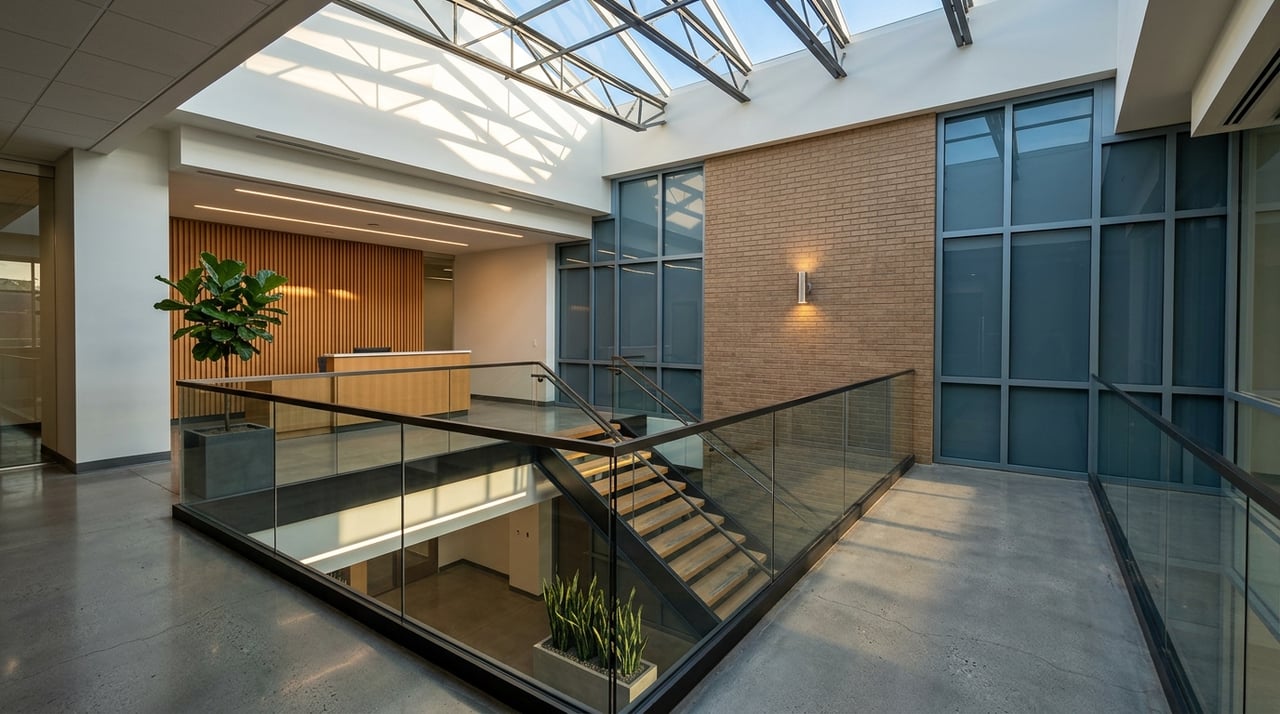
If you are looking at small commercial deals in Salt Lake County, Cottonwood Heights and Midvale deserve a closer look. Both cities offer a real value-add story, but not for the same reasons, and not with the same playbook. If you want to spot where modest improvements can create better leasing outcomes, stronger positioning, or more durable income, this guide will help you focus on what matters most. Let’s dive in.
Why these submarkets stand out
Value-add opportunities work best when you can line up three things: market demand, local policy support, and a realistic renovation budget. In Cottonwood Heights and Midvale, that alignment is visible, but it shows up in different ways.
Across the Salt Lake City-Provo office market, fundamentals improved in Q1 2026 with 145,000 square feet of positive absorption. Even so, vacancy remained high at 22.8%, availability was 23.2%, and sublease availability still totaled 1.7 million square feet. That means office value-add deals need to be underwritten carefully, with a focus on function, tenant demand, and leasing strategy rather than broad market optimism alone.
Retail tells a different story. In Q1 2025, Salt Lake retail availability was just 4.2%, average net asking rent was $22.30 per square foot, and new completions remained limited. For owners and investors, that makes existing neighborhood retail and mixed-use frontage more interesting, especially where better presentation and tenant mix can improve performance.
Cottonwood Heights value-add outlook
Fort Union is a planning-driven corridor
Cottonwood Heights is actively reshaping the Fort Union corridor. The city’s current policy framework includes the Fort Union Area Master Plan, the Wasatch Boulevard Area Master Plan, and a form-based code effort focused on parts of Fort Union Boulevard near Union Park, Highland Drive, and 2300 East.
The city has been clear about its direction. The form-based code effort is intended to support more predictable development, better walkability, and more useful public space. For property owners, that creates a strong signal that streetscape quality, storefront visibility, and arrival experience matter.
The Heights supports a town-center story
One of the biggest local signals is the redevelopment of the former Hillside Plaza site at 2300 East and Fort Union. Cottonwood Heights says this project, called The Heights, is expected to bring local dining, shopping, open areas, events, public art, landscaping, and other shared improvements.
The city also acquired the site in 2023 to help guide the long-term outcome. When a city takes that kind of active role, nearby office and retail properties can benefit from the same placemaking momentum. That does not guarantee performance, but it can improve how surrounding space is perceived and leased.
Consumer profile supports service uses
Cottonwood Heights has a strong local consumer base for convenience-oriented and professional uses. In 2024, median household income was $119,422, 53.8% of adults held a bachelor’s degree or higher, and 2022 retail sales reached $466.5 million.
That profile points toward practical demand for medical, professional, and service retail concepts that benefit from quality finishes, easy access, and polished presentation. In a corridor like Fort Union, better curb appeal and cleaner suite design can help a property compete for those users.
Midvale value-add outlook
Main Street favors adaptive reuse
Midvale offers a different kind of opportunity. Its Main Street Small Area Plan is very direct about the city’s goals: strengthen the economic base through Main Street revitalization, preserve historic structures, support façade improvements, and encourage new development that fits the area’s historic form.
For investors and landlords, this is important because it validates a lighter-touch value-add strategy. Some buildings may only need paint, storefront upgrades, signage, lighting, or façade work, while others may need deeper improvements. The city’s planning documents recognize that both approaches can make sense.
Financing tools can improve project math
Midvale is not just talking about reuse. It has also backed that vision with the Midvale Main Adaptive Reuse Loan Program for existing buildings within the Main Street Project Area.
Eligible uses include acquisition, renovation, façade improvements, energy upgrades, and code compliance work. Projects are evaluated on public-benefit factors such as economic impact, beautification, street activation, sustainability, architecture, urban design, and historic character. Stronger scores may qualify for lower rates or even 0% loans, which can materially change the economics of a smaller project.
Transit and access add flexibility
Midvale’s plans also support a more walkable, connected district. The city has identified better connections to its three TRAX stations, along with improvements tied to State Street and 7200 South.
That matters because access can widen the tenant pool for smaller office and retail suites. Main Street plan materials also note underused land and parking areas that could be shifted toward more active uses, including housing and mixed-use projects that support ground-floor retail and office demand.
Midvale supports practical, access-driven tenancy
Midvale’s local profile is broader and more mixed than Cottonwood Heights. In 2024, the city had 36,219 residents, median household income was $75,084, 33.8% of adults held a bachelor’s degree or higher, and 2022 retail sales totaled $2.73 billion.
That mix suggests a good fit for neighborhood-serving retail, service users, and smaller office suites that compete on convenience and value. In Midvale, the value-add story is often less about premium finishes and more about functionality, visibility, and improved street presence.
Where small capital can go furthest
Focus on visible improvements
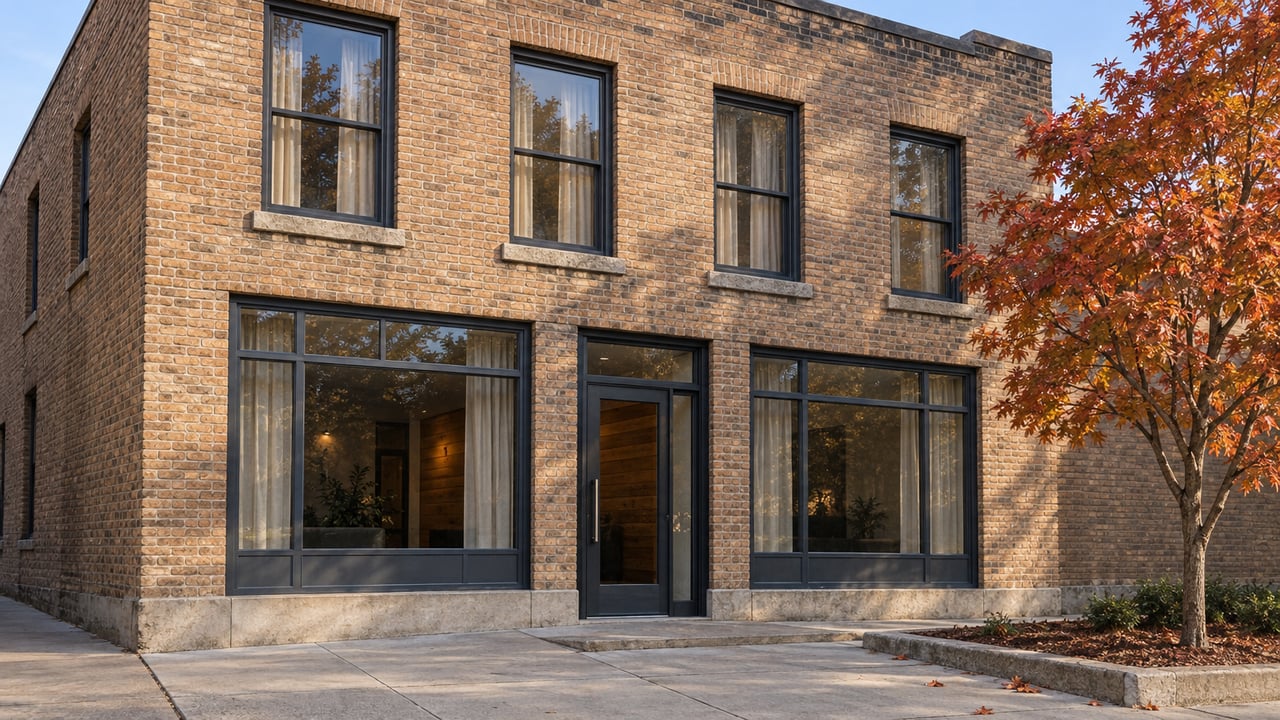
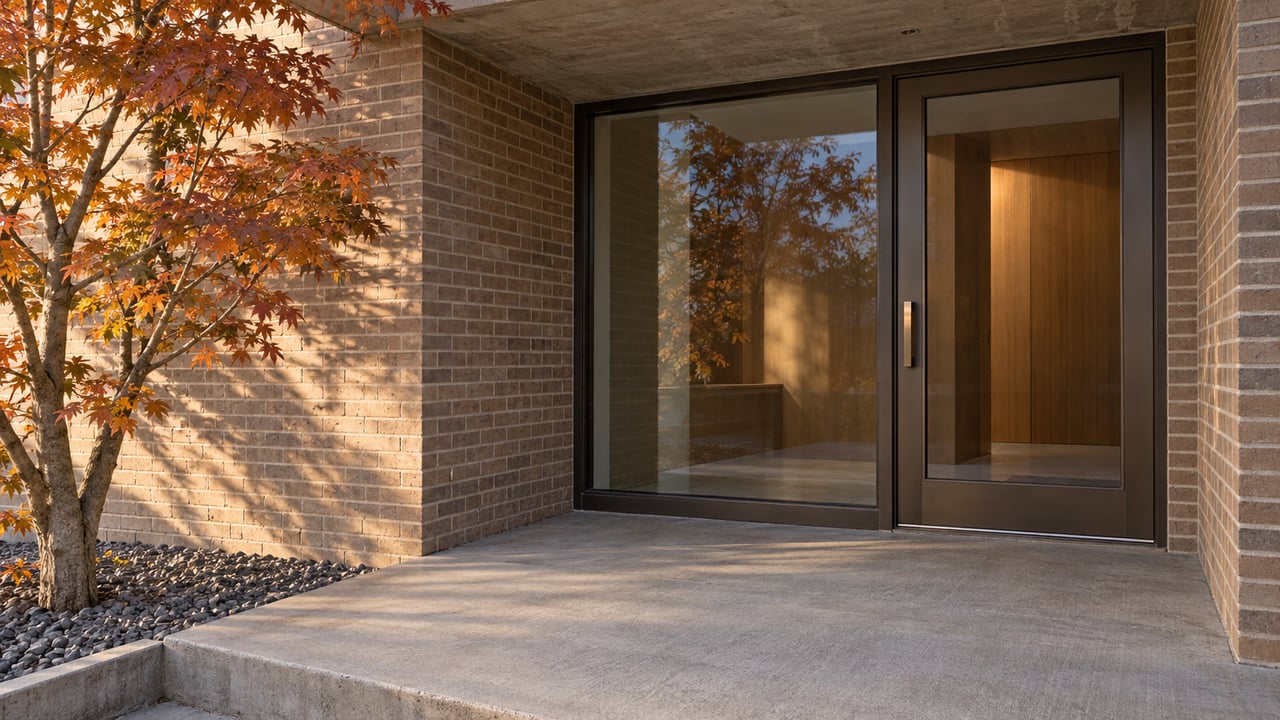
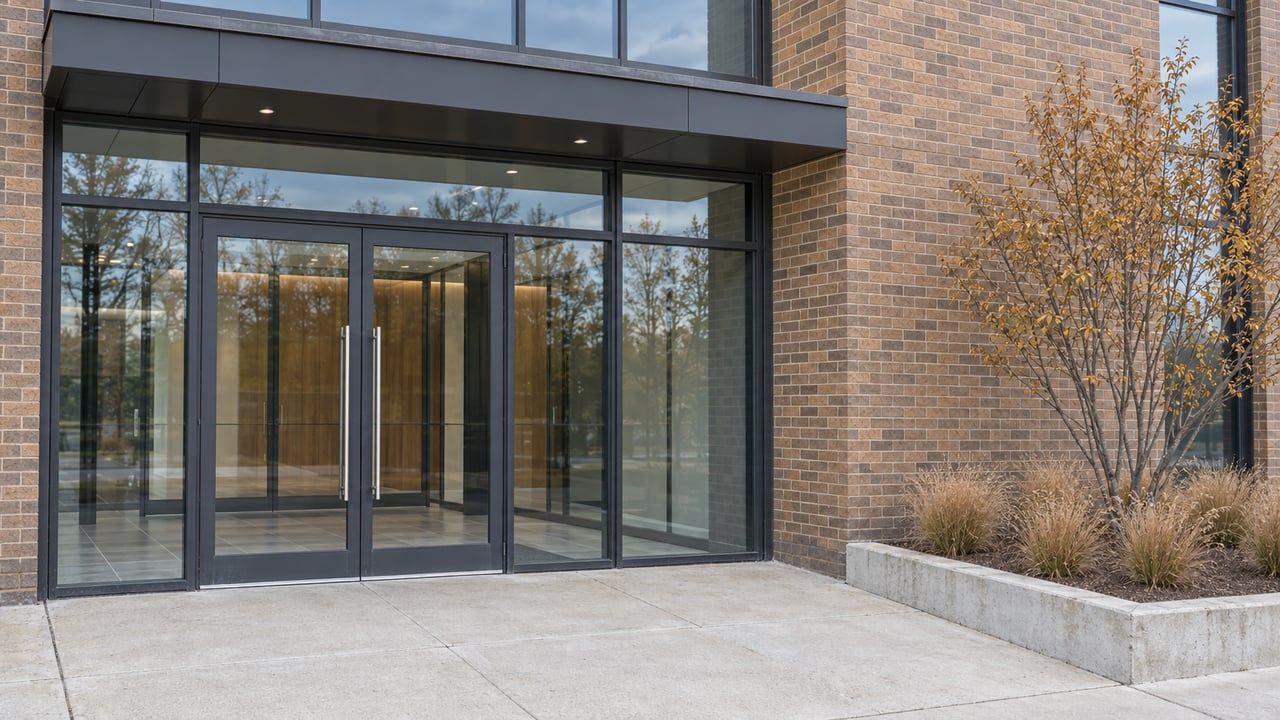
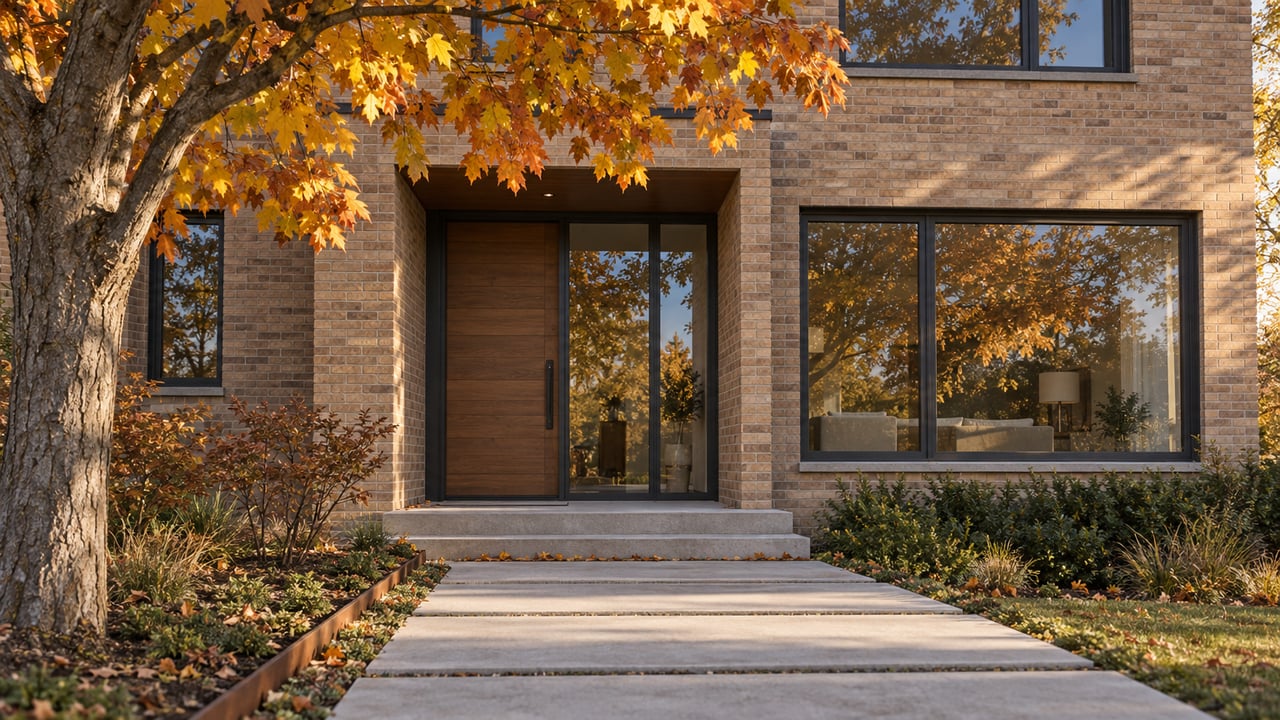
In both cities, the clearest public signals point toward practical upgrades rather than full redevelopment. Local plans repeatedly favor façade refreshes, paint, signage, lighting, landscaping, parking and arrival improvements, pedestrian access, and code-compliance work.
That creates a useful framework for underwriting. Instead of asking whether a building is old, you should ask whether a modest capital program can move it into a more competitive position within its corridor.
Match upgrades to leasing demand
Office still requires caution. With vacancy above 22% across the wider market, lease-up often depends on suite usability, tenant-improvement allowances, free rent, and the overall quality of the finished product.
Retail has tighter supply, which helps, but it still rewards the best-presented centers. In practice, that means cleaner façades, better signage, safer and more intuitive parking, and a tenant mix that makes the center feel useful and active.
Best-fit tenant types in these corridors
Cottonwood Heights tenants
In Cottonwood Heights, the strongest fit is often with tenants who value convenience, professional image, and a well-kept setting. That can include medical users, professional offices, and service retail concepts that benefit from strong household incomes and a polished corridor environment.
A refreshed office suite or neighborhood center near the Fort Union corridor may perform best when the space feels efficient, modern, and easy to access. Small improvements can go a long way if they support that expectation.
Midvale tenants
In Midvale, the opportunity often favors practical businesses that want visibility, affordability, and a walkable setting. Smaller office suites, service uses, food concepts, and daily-needs retail can align well with Main Street and transit-connected areas.
In this setting, adaptive reuse can become a competitive advantage. Older buildings that feel authentic, functional, and well maintained can attract users who care more about location and presence than about brand-new construction.
Questions to ask before you buy or renovate
Before you move forward on a value-add play in either submarket, it helps to pressure-test the deal with a few basic questions:
- What rent is truly supported by current local conditions?
- How much of your leasing plan depends on concessions?
- Which improvements will tenants notice first?
- Does the property match the direction of city planning?
- Are there public tools or approvals that could affect timing or returns?
- Is your tenant target aligned with the corridor’s actual demand?
These questions sound simple, but they often separate a workable repositioning plan from a budget that never quite pencils.
What the best opportunities look like now
The strongest value-add plays in Cottonwood Heights and Midvale are usually not dramatic overhauls. They are office suite refreshes for small users, neighborhood retail re-tenanting, adaptive reuse projects, and selective mixed-use or upper-floor repositioning where walkability, transit access, or town-center momentum can support better performance.
In Cottonwood Heights, that often means betting on placemaking, corridor quality, and a better user experience around Fort Union. In Midvale, it often means using adaptive reuse, access, and public financing tools to improve older space without overcapitalizing it.
If you are evaluating a landlord strategy, tenant requirement, or acquisition in either submarket, local context matters as much as the rent roll. Working through city plans, leasing assumptions, and improvement priorities early can help you avoid costly mistakes and uncover opportunities others miss.
If you want senior-level guidance on leasing, acquisitions, or repositioning strategy in Salt Lake County, Dan Rip offers hands-on commercial real estate advisory grounded in local market knowledge and practical deal execution.
FAQs
What makes Cottonwood Heights attractive for value-add retail and office?
- Cottonwood Heights benefits from active planning along the Fort Union corridor, the redevelopment of The Heights, and a higher-income consumer base that can support medical, professional, and service-oriented space.
What makes Midvale attractive for adaptive reuse projects?
- Midvale has a Main Street revitalization strategy, adaptive reuse financing tools, and transit-oriented planning that support smaller-scale renovations and practical repositioning of older buildings.
Is office still a good value-add play in Salt Lake County?
- Office can still work, but the wider market remains soft, with 22.8% vacancy and 23.2% availability in Q1 2026, so success depends heavily on suite quality, concessions, and realistic leasing assumptions.
Why is retail more compelling than office right now?
- Retail is tighter overall, with 4.2% availability in Q1 2025 and limited new supply, which can make existing centers more competitive when they are well maintained and correctly tenanted.
What upgrades tend to matter most in Cottonwood Heights and Midvale?
- The strongest local signals point to façade improvements, signage, lighting, landscaping, parking and arrival upgrades, pedestrian access improvements, and code-compliance work.
Which tenants fit best in these two submarkets?
- The clearest fit includes medical, professional, service, food, and daily-needs users, with Cottonwood Heights leaning more toward polished convenience-driven space and Midvale leaning more toward access-driven, practical space.