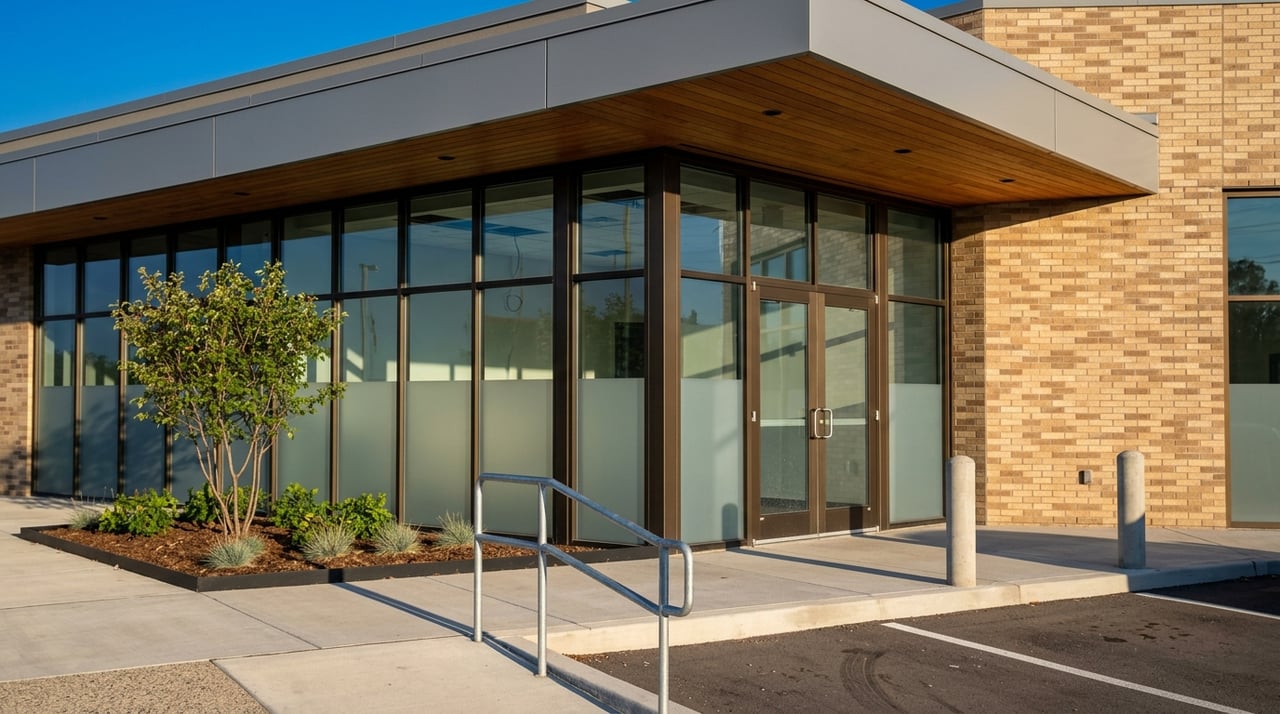
If you are planning a healthcare or dental clinic in West Valley City, the real estate decision can shape your operations for years. The right location can support patient access, staffing, parking, and growth, while the wrong one can create avoidable delays and added costs. In this guide, you will get a practical look at demand, site selection, zoning, parking, build-out, and city approvals so you can move forward with more confidence. Let’s dive in.
Why West Valley City Deserves a Look
West Valley City offers a large local population base for healthcare and dental users. According to the U.S. Census QuickFacts profile for West Valley City, the city had an estimated 138,144 residents in 2024, with 39,617 households and a median household income of $92,209 in the 2020 to 2024 period.
That same Census profile shows 30.0% of residents are under age 18, the average household size is 3.49 persons, 42.8% of residents age 5 and older speak a language other than English at home, and 19.1% of residents under age 65 are without health insurance. For a clinic operator, those figures point to a large, family-oriented and multilingual market with a range of care needs.
Medical Office Market Snapshot
When you evaluate a clinic location, it helps to look beyond one building and understand the broader market. In the Salt Lake City medical office market, Cushman & Wakefield reported a 4.5% vacancy rate in Q4 2025 and an average asking rent of $26.43 per square foot on a full-service basis.
That same report noted 54,300 square feet of leasing activity in 2025, and about 93% of transactions were for spaces under 5,000 square feet. If you are a dental practice, specialty clinic, or small medical group, that makes small-to-mid-sized suites a realistic planning range.
There is also a relevant local example in West Valley City itself. The same market report lists West Valley Oral Surgery at 3715 W. 4100 S. leasing 4,607 square feet in 2025, which gives you a useful size benchmark for a dental or oral surgery user considering the area.
Best Corridors to Evaluate
Your ideal site depends on visibility, access, parking, and proximity to the patients you want to serve. West Valley City’s 2025 General Plan introduction identifies the 5600 West corridor as a regional commercial draw and notes community shopping centers at 4100 South and 5600 West, 4700 South and 4000 West, and 6200 South and 5600 West.
The city also notes continued redevelopment along 3500 South and Redwood Road. In addition, Fairbourne Station has seen major activity including the mall expansion, Embassy Suites, the Promenade, and related transit improvements.
For a healthcare or dental clinic, these corridors can be worth early review because they already function as established commercial areas. They may offer the visibility, traffic patterns, and nearby services that help support patient convenience.
Transit and Access Matter
Access is not only about cars. The city notes that the TRAX Green Line began operating in 2011, and 3500 South received dedicated BRT lanes and raised platforms in 2010.
If your practice serves patients who rely on transit, or if you want a site that is easier for staff to reach from across the valley, those transportation features can influence your search. Transit-oriented sites can also help when you want high visibility along major corridors.
Confirm Zoning Before You Commit
One of the biggest mistakes a tenant can make is assuming a use will be allowed just because a building looks like a fit. West Valley City specifically advises you to check the interactive zoning map and Planning & Zoning resources before signing a lease.
The city’s code defines Office, Medical and Dental as a building used by physicians, dentists, or similar personnel for patient treatment and examination, with no overnight stays. That definition is important because it helps distinguish standard clinic use from other healthcare-related uses with different requirements.
According to the city’s commercial and mixed-use zoning table, medical and dental offices are permitted in several major commercial districts, including C-1, C-2, C-3, CC, BRP, and MXD, with some zone-specific qualifiers. Still, zoning is parcel-specific, so the practical step is to verify the exact address with city staff before you commit money to design or lease negotiations.
Watch for Overlay and Streetscape Rules
Some sites carry an extra layer of review. West Valley City’s code includes a 5600 West Gateway Overlay Zone from the 2100 South Expressway to 3100 South, extending 250 feet on either side of the right-of-way, plus separate streetscape standards for 3300 and 3500 South, Redwood Road, and 5600 West.
If your site fronts one of those corridors, design and frontage requirements may affect signage, site layout, landscaping, or exterior improvements. This is especially important if you are planning a new building, a major exterior remodel, or a highly branded clinic concept.
Understand Lease Structure, Not Just Rent
Quoted rent does not tell the whole story. Medical office space may be quoted on a full-service, modified gross, or net basis, and the structure can meaningfully change your monthly occupancy cost.
The NAIOP glossary defines a modified gross lease as a lease where the landlord receives stipulated rent and operating expenses are shared according to lease terms. In the same Q4 2025 market report, on-campus medical office averaged $29.22 per square foot full-service, while off-campus space averaged $23.64.
That means you should compare the full occupancy picture, including common area charges, taxes, insurance, utilities, janitorial, and any specialty maintenance. For clinic users, this matters because medical build-outs and ongoing operations can already put pressure on overhead.
Plan Parking Early
Parking can make or break a clinic location. West Valley City requires 3 parking spaces per 1,000 square feet of gross floor area for medical and dental offices and clinics.
That requirement may sound simple, but the details matter. The city also allows shared parking in some cases, provided there is a recorded cross-access agreement, pedestrian access without using a major street, and parking within 400 feet of the main entrance.
This can create flexibility if you are evaluating a multi-tenant center or mixed-use site. The shared parking table also gives medical and dental office a weekday daytime weighting, which means it can sometimes pair well with tenants that peak during evenings or weekends.
Build-Out Costs Can Shift Fast
A clinic is not a typical office finish. Plumbing, mechanical systems, patient flow, accessibility, exam or operatory layout, sterilization needs, imaging, and reception design all affect cost and timing.
If you are considering a new building or significant exterior renovation, West Valley City’s commercial design standards can also influence your budget. The code is intended to orient buildings toward the street, improve pedestrian access, avoid large blank setbacks, and improve facade quality.
The same standards limit exterior wall metal to 50%, require at least 50% masonry on the primary facade and 35% masonry on other facades, and require landscaped street edges and irrigation for commercial lots with five or more spaces. Those are not minor details. They can materially affect your site plan, your construction pricing, and your project schedule.
Know the Permit Timeline
Once you have a site and a concept, your timeline should account for plan review and approvals. West Valley City’s building permit process requires a complete commercial submittal package that can include civil or site, architectural, structural, plumbing, mechanical, and electrical plans, structural calculations, energy compliance documents, specifications, and in some cases a geotechnical report.
Plans must be stamped, signed, and dated by Utah-licensed design professionals. The city also notes that commercial projects move through a routing process involving multiple departments and agencies before permit issuance.
Commercial plan review is typically 3 to 4 weeks, and inspection requests can usually be accommodated within 24 hours. If your project includes demolition, the city says demolition permits can take at least two weeks because utility, health department, and air-quality approvals must be coordinated first.
Business License and City Coordination
Opening your doors requires more than a signed lease and finished construction. West Valley City says any business with a place of business in city limits must obtain a business license, and a separate license is required for each type of business and each place of business.
The city also advises applicants to contact Planning & Zoning before selecting a location so the use can be confirmed at that address. If your project may involve a conditional use or another discretionary review, it also helps to understand the Planning Commission meeting schedule early in your timeline.
If your clinic stores chemicals or compressed gases in quantities that trigger review, you may also need the city’s Hazardous Materials Permit through the Fire Department. That issue may be more relevant for some medical and dental uses than for a standard professional office.
A Practical Opening Sequence
If you want to reduce surprises, follow a disciplined sequence before you commit:
- Define your target suite size, layout needs, and patient access goals.
- Shortlist corridors such as 5600 West, 3500 South, Redwood Road, or Fairbourne Station based on visibility and access.
- Confirm zoning and use permissions with Planning & Zoning for each specific address.
- Test parking compliance and any shared-parking options.
- Review lease structure and compare total occupancy cost, not just base rent.
- Price the build-out with your design and construction team.
- Confirm whether design standards, overlay rules, demolition, or fire-code permits apply.
- Build in time for permitting, inspections, and business licensing.
This process can save you from signing a lease that looks good on paper but does not work operationally. It can also help you negotiate smarter with landlords by identifying constraints before they become expensive change orders.
Why Local Guidance Helps
A clinic lease in West Valley City often involves more than finding available square footage. You may need to weigh corridor visibility, zoning verification, parking ratios, tenant improvement scope, permit routing, and the practical realities of opening on schedule.
That is where local commercial guidance can create real value. A hands-on advisor can help you compare sites, pressure-test occupancy costs, and coordinate around city process so your real estate decision supports your practice rather than slowing it down.
If you are planning a healthcare or dental clinic in West Valley City, Dan Rip can help you evaluate sites, navigate lease negotiations, and think through the entitlement and build-out issues that affect timing, cost, and long-term success.
FAQs
What size clinic spaces are common in the West Valley City area?
- In the broader Salt Lake City medical office market, about 93% of 2025 lease transactions were for spaces under 5,000 square feet, and a West Valley City example was a 4,607-square-foot oral surgery lease.
What zoning should you check for a medical or dental office in West Valley City?
- West Valley City lists medical and dental office use in several commercial and mixed-use districts, including C-1, C-2, C-3, CC, BRP, and MXD, but you should always confirm the exact parcel with Planning & Zoning before signing a lease.
How much parking does a healthcare or dental clinic need in West Valley City?
- The city requires 3 parking spaces per 1,000 square feet of gross floor area for medical and dental offices and clinics, with some flexibility for shared parking if specific conditions are met.
How long does commercial plan review take for a clinic project in West Valley City?
- West Valley City says commercial plan review is typically 3 to 4 weeks, while demolition permits can take at least two weeks when outside agency approvals are required.
Does a healthcare or dental clinic need a business license in West Valley City?
- Yes. The city requires any business with a place of business in city limits to obtain a business license, and separate licenses are required for each type and place of business.