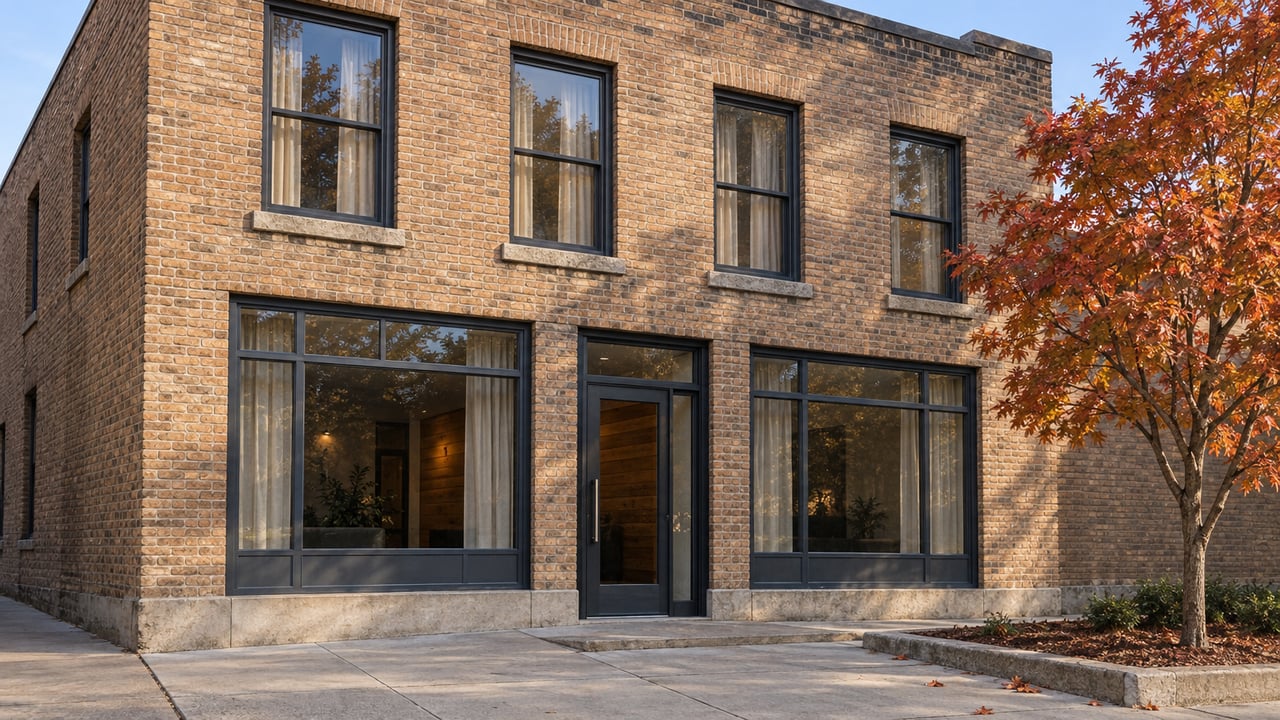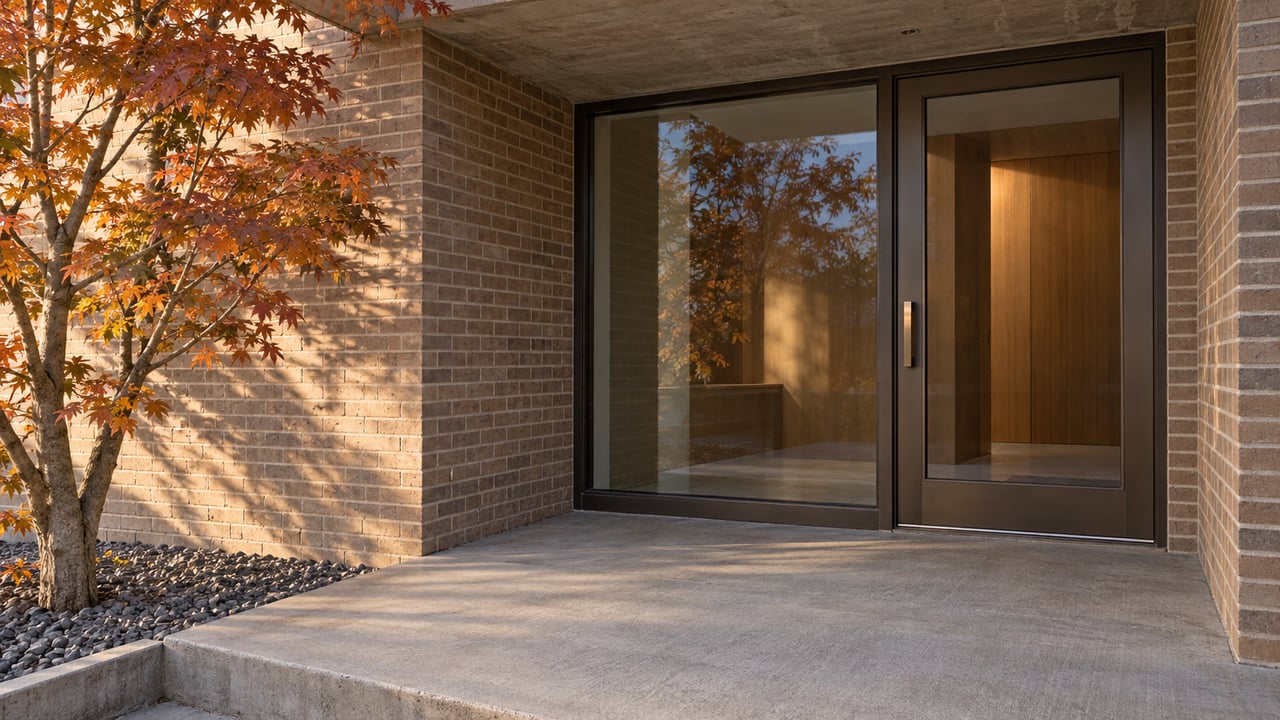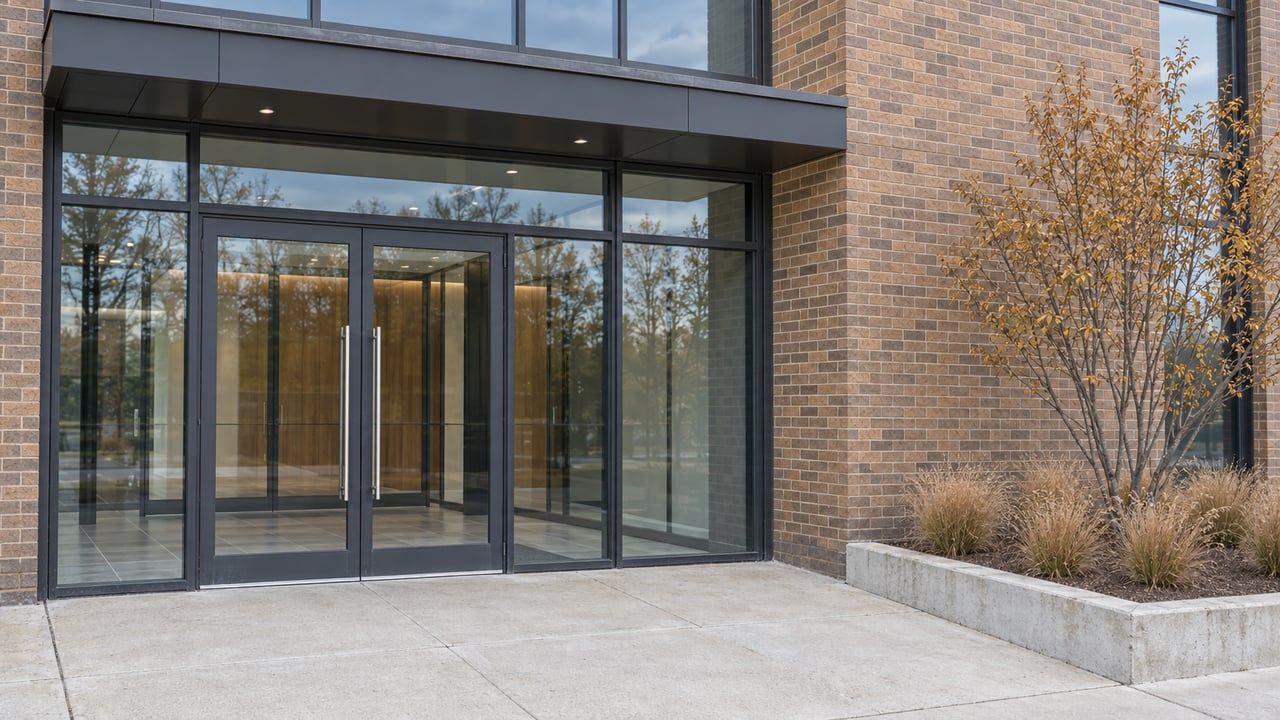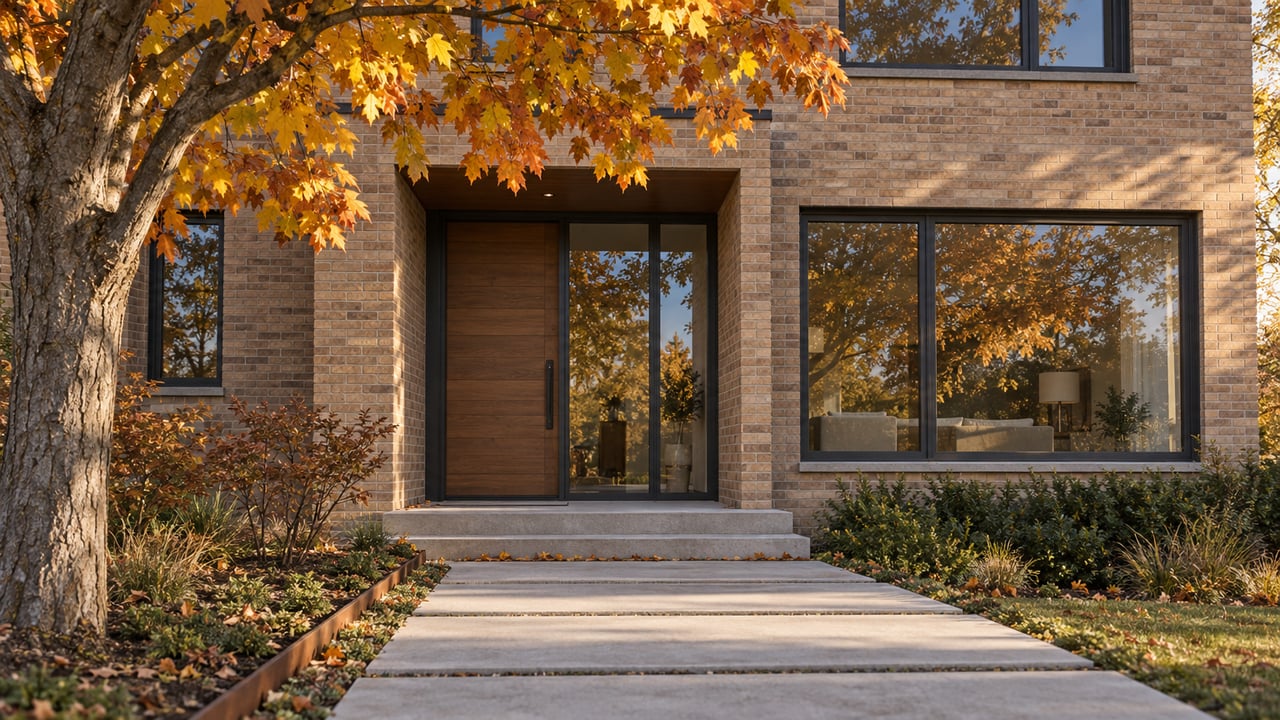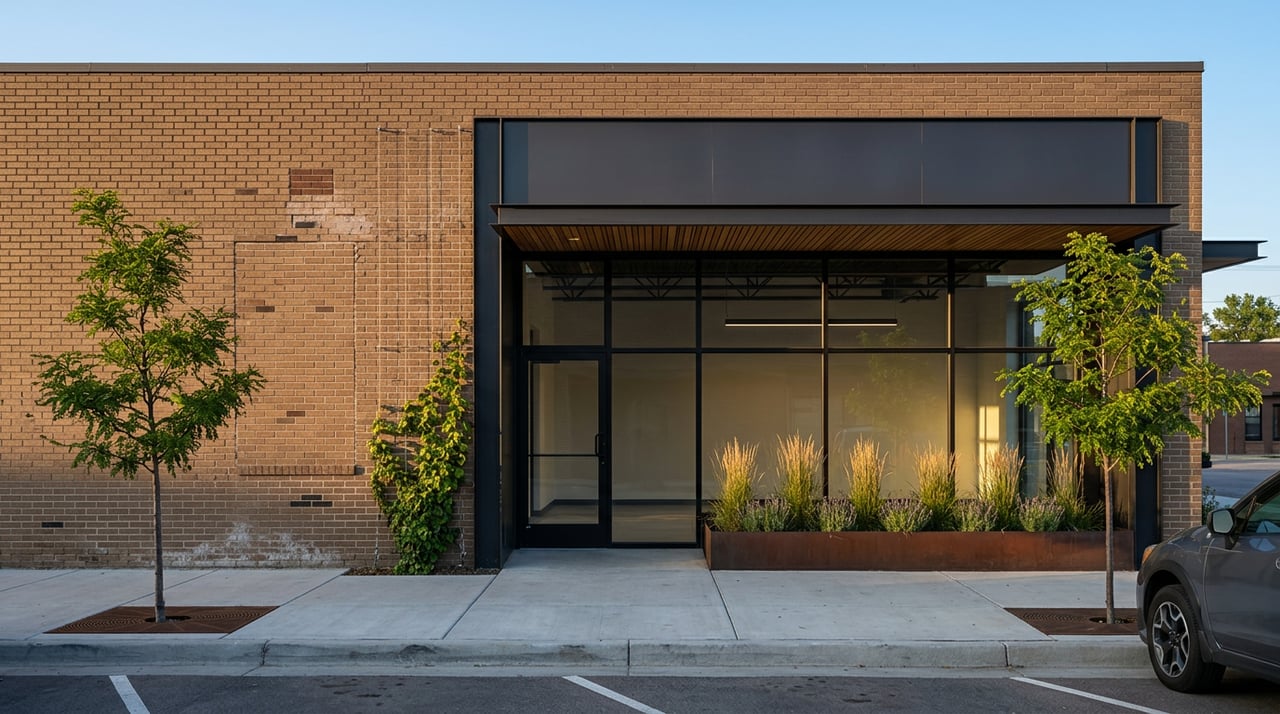
Vacant bays, tired facades, and underused parking lots do not have to be a drag on your returns. In South Salt Lake, policy and project momentum are lining up to make smarter conversions possible along State Street, Main Street, and the S‑Line and TRAX stations. If you own or are eyeing a strip center, small warehouse, or auto shop, you can reposition it for modern retail, creative office, or hybrid uses without starting from scratch. In this guide, you will see where reuse fits, how the city’s tools work, and what steps reduce risk and time. Let’s dive in.
Why South Salt Lake is primed for reuse
South Salt Lake has modern planning tools that encourage walkable, mixed‑use projects near transit. The city adopted form‑based codes in key districts, including the East Streetcar area, that prioritize active ground floors and allow mixed uses in station‑proximate subdistricts. You can review the specific street, frontage, and use standards in the city’s East Streetcar Neighborhood Form‑Based Code. (See the code PDF.)
Financing support is also coming into focus. The city’s Housing and Transit Reinvestment Zone designation around downtown is intended to unlock tax‑increment style funding for qualified station‑area projects that meet overlay requirements. That can help close gaps for projects that add housing or deliver public benefits. (Learn how SSL frames HTRZ eligibility.)
Public‑realm upgrades are planned to improve connections for people on foot and bike, which strengthens ground‑floor retail viability. The Downtown Connect plan outlines station‑area improvements and circulation changes that help bring customers to your front door. (Review the Downtown Connect plan.)
Where reuse works best
You will find the strongest alignment near the Central Pointe TRAX station, along the S‑Line streetcar, and within the Downtown and East Streetcar districts. Parcels with frontage on State Street or S‑Line gateways are well positioned for mixed‑use or creative conversions, especially where the Housing and Transit overlay may apply. Properties with simple structures, tall interiors, and flexible service access tend to convert faster and at lower cost.
Before you commit to a concept, confirm the district rules that control setbacks, build‑to lines, and ground‑floor uses. Your first stop should be a predevelopment meeting with the city to clarify whether your change of use is permitted, conditional, or requires an overlay or development agreement. (Start with SSL Planning and Zoning.)
Reuse playbooks that fit SSL
Strip center to mixed‑use or creative office
Why it fits: Neighborhood centers near transit can be re‑skinned with larger storefront glass, updated signage bands, and re‑striped parking, then paired with upper‑story housing or creative office. SSL’s form‑based districts favor street‑oriented design and active ground floors. Projects that qualify under the Housing and Transit overlay can also seek HTRZ support to improve feasibility. (Read about the HTRZ program.)
Quick checklist:
- Check zoning district standards for build‑to lines and permitted ground‑floor uses.
- Evaluate if the Housing and Transit overlay is an option and whether a development agreement is required.
- Scope parking changes early, including shared or structured options tied to transit access.
- Price facade, glazing, and accessibility upgrades that improve leasing velocity.
Warehouse or light industrial to creative/flex
Why it fits: Older warehouses offer tall clear heights, open floorplates, and flexible loading that creative office, studios, breweries, and maker tenants value. SSL’s East Streetcar area acknowledges a mix of warehouse and mixed uses in gateway subdistricts. The city’s Creative Industries activity and events signal ongoing demand for these formats. (See local creative‑cluster coverage.)
Quick checklist:
- Confirm allowable uses and design review triggers in the form‑based district.
- Budget for mechanical, electrical, plumbing, accessibility, and potential structural upgrades.
- Conduct environmental due diligence if there is an industrial history on site.
- Target tenants that thrive in flexible shells, such as studios, food and beverage, or small‑bay makers.
Auto service or small shops to retail or F&B
Why it fits: Simple structures and curb cuts make smaller auto and service buildings relatively fast to convert. Coffee, taprooms, quick‑serve food, and micro‑fulfillment are common fits. Sites within the Downtown Connect footprint benefit from planned pedestrian upgrades and proximity to transit riders. (Scan the Downtown Connect priorities.)
Quick checklist:
- Verify whether the new use is permitted and whether facade changes trigger design review.
- Assess grease, venting, and parking needs for food and beverage programs.
- Consider murals and small plazas to amplify curb appeal and dwell time.
- Test interim pop‑ups to build traffic while you complete permanent improvements.
Big‑box or vacant anchor strategies
Why it fits: Large shells can transition to self‑storage, medical, education, or experiential retail. These conversions are capital intensive but may face fewer entitlement hurdles when allowed by district rules. Many owners phase these sites, starting with a stable anchor use and adding new construction or upper‑story program later as demand matures.
Quick checklist:
- Confirm permitted uses and parking ratios for the target anchor use.
- Evaluate structural capacity and code triggers for substantial rehabilitation.
- Model a phased plan that builds cash flow first, then adds higher‑yield program.
What the pipeline signals for corridors
More residents nearby generally equals more ground‑floor demand. Local coverage has cited approximately 5,125 housing units in the broader pipeline, concentrating momentum around downtown and station areas. (See the Building Salt Lake roundup.)
The city’s Market Center example at 2280 S State Street shows how SSL is using an overlay plus a development agreement to support a large mixed‑use redevelopment that includes deed‑restricted housing, structured parking, and open space. Those approvals and amenities tend to raise capture and foot traffic for nearby retail and office spaces. (Review the City Council minutes for the Market Center path.)
Financing and approvals roadmap
The right prep can reduce risk and time to cash flow. Use this sequence to organize your approach.
Start with a predevelopment consult. The city outlines land‑use applications, submittals, fees, and review routes. Early confirmation of permitted versus conditional use can save months. (Contact SSL Planning and Zoning.)
Run environmental due diligence. A Phase I ESA is standard, with sampling if flagged. Utah’s Voluntary Cleanup Program and Brownfields resources can help de‑risk sites with industrial histories or former service stations. (Explore Utah DEQ’s VCP resources.)
Screen structure and seismic. The Wasatch Front is seismically active, and substantial rehab can trigger retrofit requirements. A structural survey and early engineer input help keep budgets on track. (See Utah Geological Survey context.)
Understand zoning triggers. A change of use, added stories, occupancy increases, or facade work can trigger design review, site plan approval, or an overlay‑plus‑development agreement path. The Market Center example is a template for how larger station‑area projects proceed. (Council minutes show the overlay and DA approach.)
Calibrate parking and access. SSL has been updating downtown parking and amenity requirements and can allow reductions where transit or public parking helps meet demand. A parking study and shared strategies are often part of a strong submittal.
Stack incentives where eligible.
- Housing and Transit/HTRZ tools and RDA participation for qualified station‑area projects. (HTRZ program overview.)
- Federal Historic Rehabilitation Tax Credit for income‑producing historic buildings, with potential to layer state programs in certain cases. (IRS rehabilitation credit guidance.)
- Brownfields grants for assessment or cleanup if contamination is confirmed. (Utah DEQ program news.)
Phasing and tenanting for momentum
Not every reuse is a one‑step leap. Many owners build value in stages, pairing quick wins with long‑term vision. Short‑term leases, pop‑ups, co‑working, or storage can create cash flow while you advance entitlements and construction documents. As improvements deliver, bring in creative tenants that match district energy and events to grow traffic over time. SSL’s Creative Industries Zone and regular programming show strong appetite for experiential retail, food and beverage, and maker space. (Read about the Creative Industries Zone’s draw.)
Quick start checklist for owners and investors
- Confirm your zoning district and frontage standards, then schedule a predevelopment meeting with SSL.
- Map the quickest compliant change of use that improves rent roll without overbuilding cost.
- Price code‑driven work first, including accessibility, life safety, mechanical systems, and structural needs.
- Order a Phase I ESA and engage environmental counsel if flags appear.
- Draft a parking and access plan that anticipates design review questions and leverages transit.
- Outline a tenanting strategy that fits the corridor’s creative and food and beverage demand.
- Evaluate incentives you can legitimately layer, including HTRZ and historic tax credits.
- Build a phased plan with interim activation to maintain momentum and cash flow.
Done well, adaptive reuse in South Salt Lake can turn overlooked shells into resilient, in‑demand assets that serve customers today and set the stage for future mixed use tomorrow. If you want an experienced, hands‑on advisor who can translate planning tools into practical steps and help you lease or sell with confidence, let’s talk. Connect with Dan Rip to schedule a free consultation.
FAQs
What makes South Salt Lake attractive for adaptive reuse right now?
- The city’s form‑based codes, HTRZ designation, and Downtown Connect plan align zoning, incentives, and public‑realm upgrades to support mixed‑use and creative conversions near transit. (See the HTRZ overview)
How does the Housing and Transit overlay affect my project in South Salt Lake?
- The overlay can set minimum density and public‑benefit requirements and often uses a development agreement that may unlock HTRZ funding for eligible station‑area projects. (Review a recent DA path)
What due diligence should I do before converting a warehouse in South Salt Lake?
- Start with a predevelopment meeting, order a Phase I ESA, and engage a structural engineer for a seismic screen; these steps clarify use permissions, environmental risk, and retrofit needs. (Contact SSL Planning)
Are there tax credits or grants to help rehabilitate older buildings in South Salt Lake?
- Qualified projects may use the federal Historic Rehabilitation Tax Credit and can pursue Brownfields assessment or cleanup grants when contamination is present. (IRS credit guide)
How long does approval typically take for an adaptive reuse project in South Salt Lake?
- Simple change‑of‑use permits can take months, while rezonings or overlay projects with development agreements often require several months to a year given hearings and negotiations. (Start with SSL’s process)