Eyeing a storefront along South Salt Lake’s S-Line and wondering if the streetcar can power your business? You are not alone. Operators and owners often ask how to balance walkability, parking, and local code when the corridor is still evolving. In this guide, you’ll get a clear, step-by-step playbook to screen retail, restaurant, and service sites along the S-Line with confidence. Let’s dive in.
S-Line at a glance
The S-Line is UTA’s streetcar that links the Central Pointe TRAX hub to Sugar House with seven stops along a short, roughly 2‑mile alignment. Service improvements in 2019 enabled 15‑minute weekday headways, which supports frequent local trips and transfers to TRAX and bus routes. Systemwide streetcar ridership reached 454,887 boardings in 2024, a helpful signal of growing transit usage across the network. You should also track the planned S-Line extension into Sugar House since new stops can shift trade areas.
- Read about 2024 ridership trends in UTA’s update: UTA ridership gains and what’s coming in 2025
- Learn how the 2019 project enabled 15‑minute headways: S-Line double-track project
- Track the corridor’s near-term changes: S-Line Extension Project
Start with walk-sheds, not raw counts
For most storefronts here, success comes from the walk-shed catchment and easy transfers to TRAX, not from streetcar boardings alone. Map 0.25‑mile and 0.5‑mile walk-sheds around the parcel and the nearest station to estimate everyday capture. This 5–10 minute walk convention is standard in station-area planning and helps you size likely demand. When you need granular visit volumes and dwell times, add mobile foot-traffic data from commercial providers.
- Use 0.25/0.5 mile catchments as a baseline station-area method. If you need visit patterns, a paid tool such as Placer.ai can help. See an overview here: Placer.ai review
Know the rules on frontage and parking
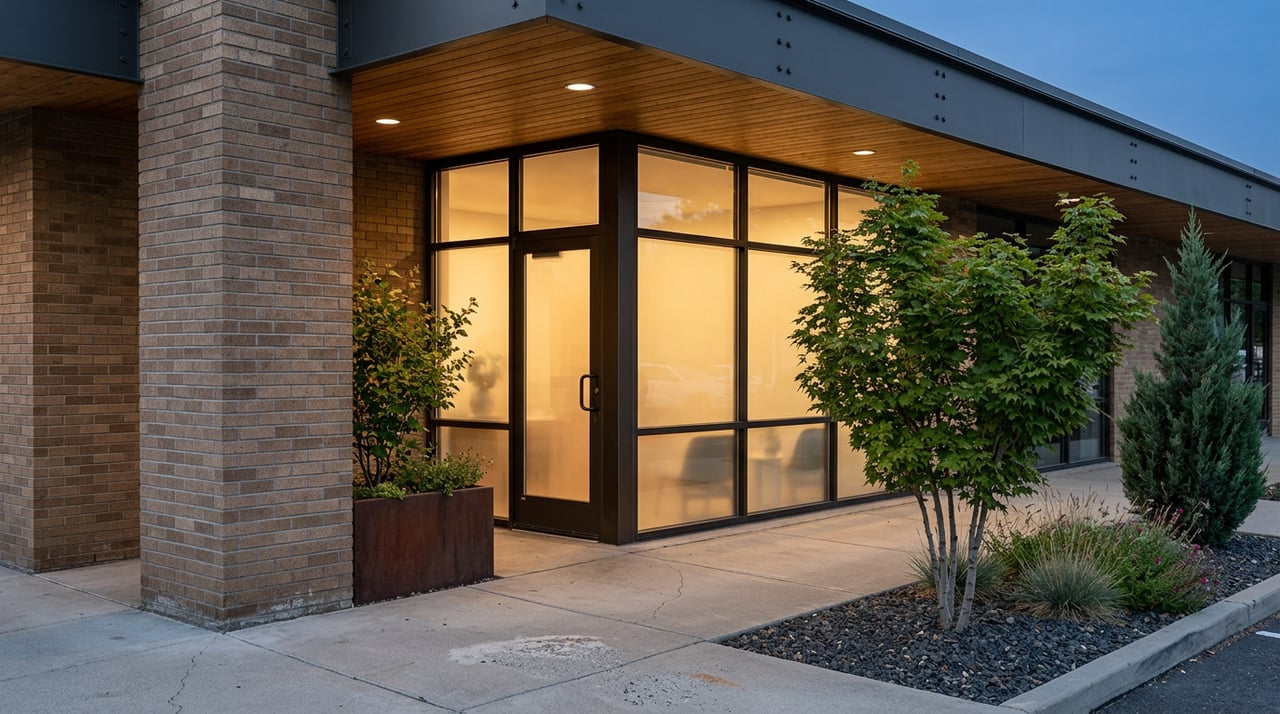
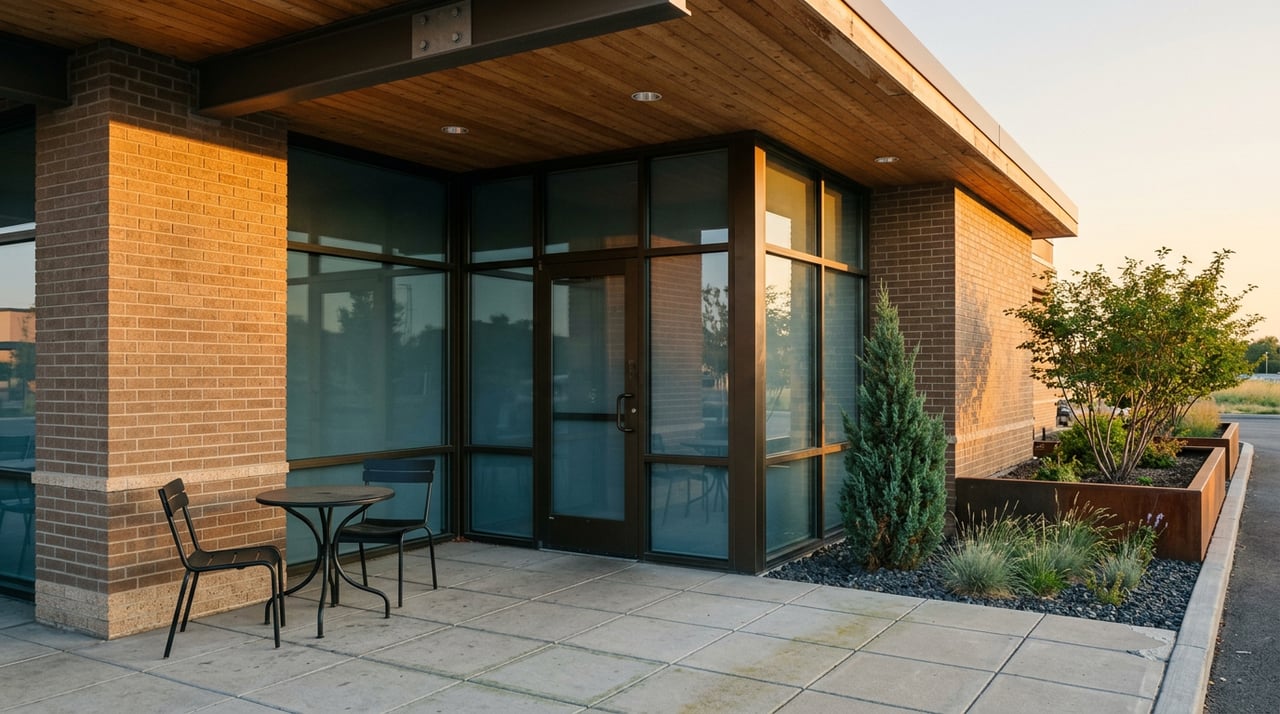
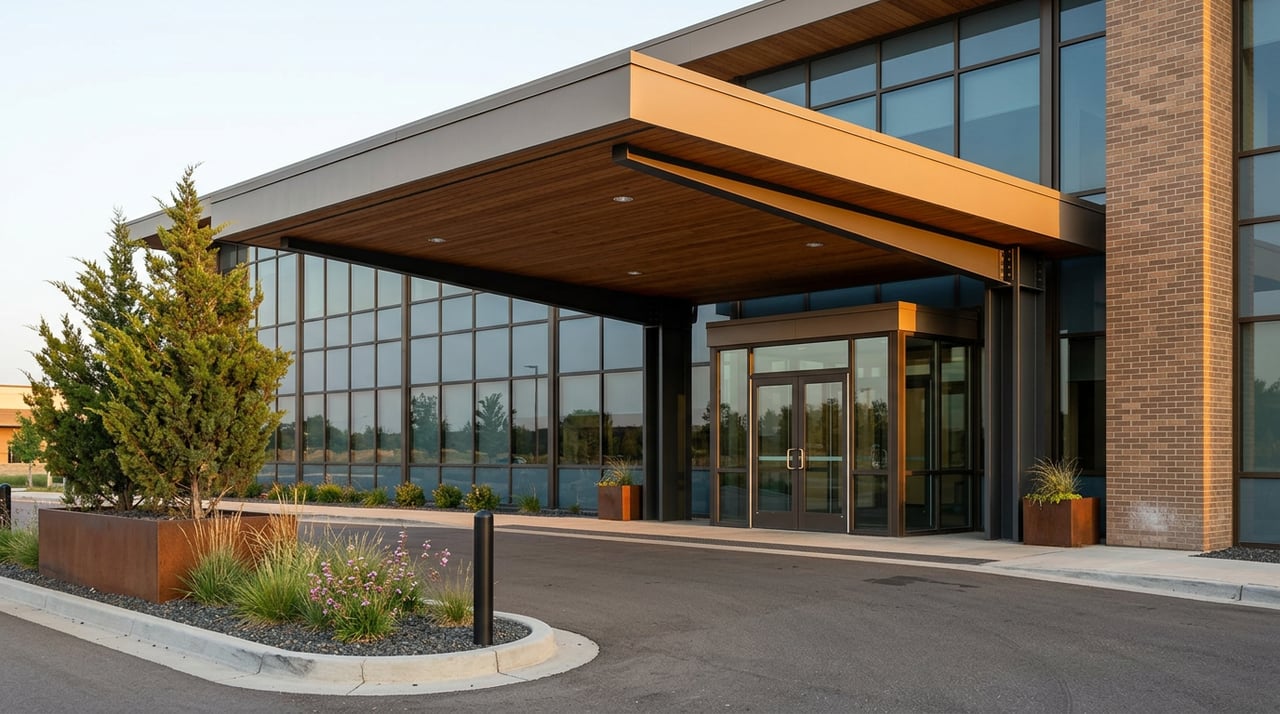
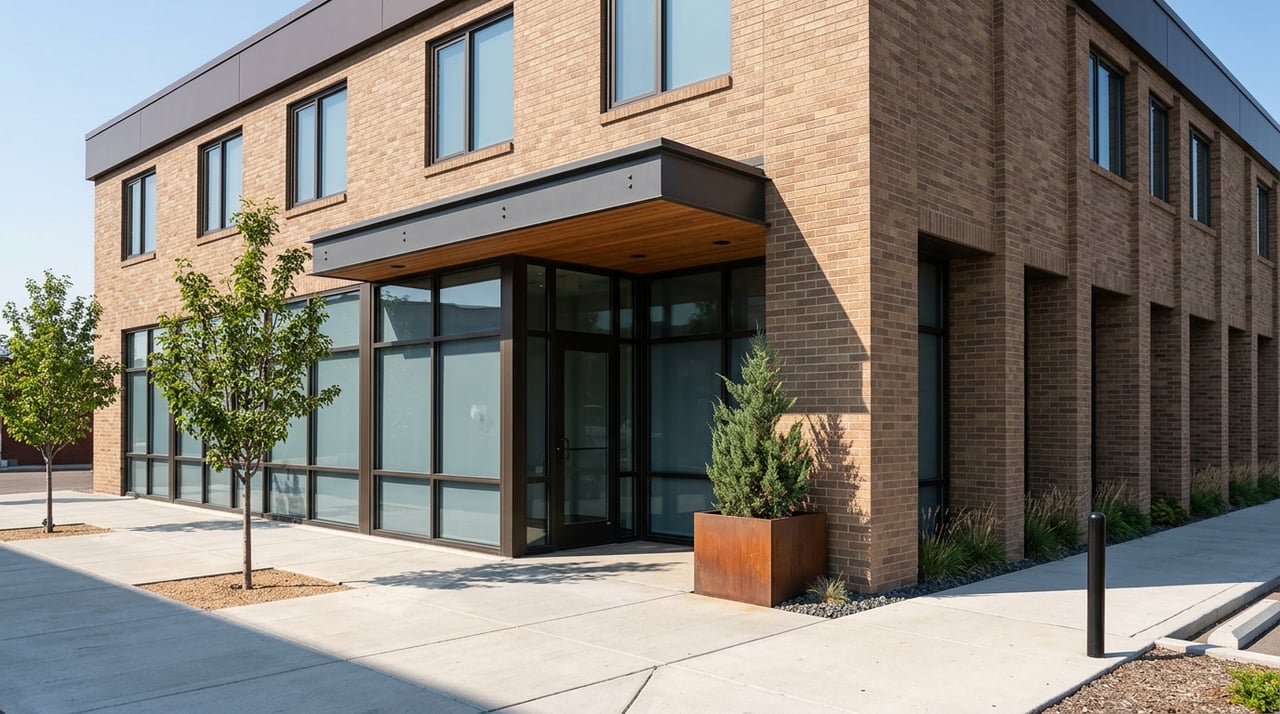
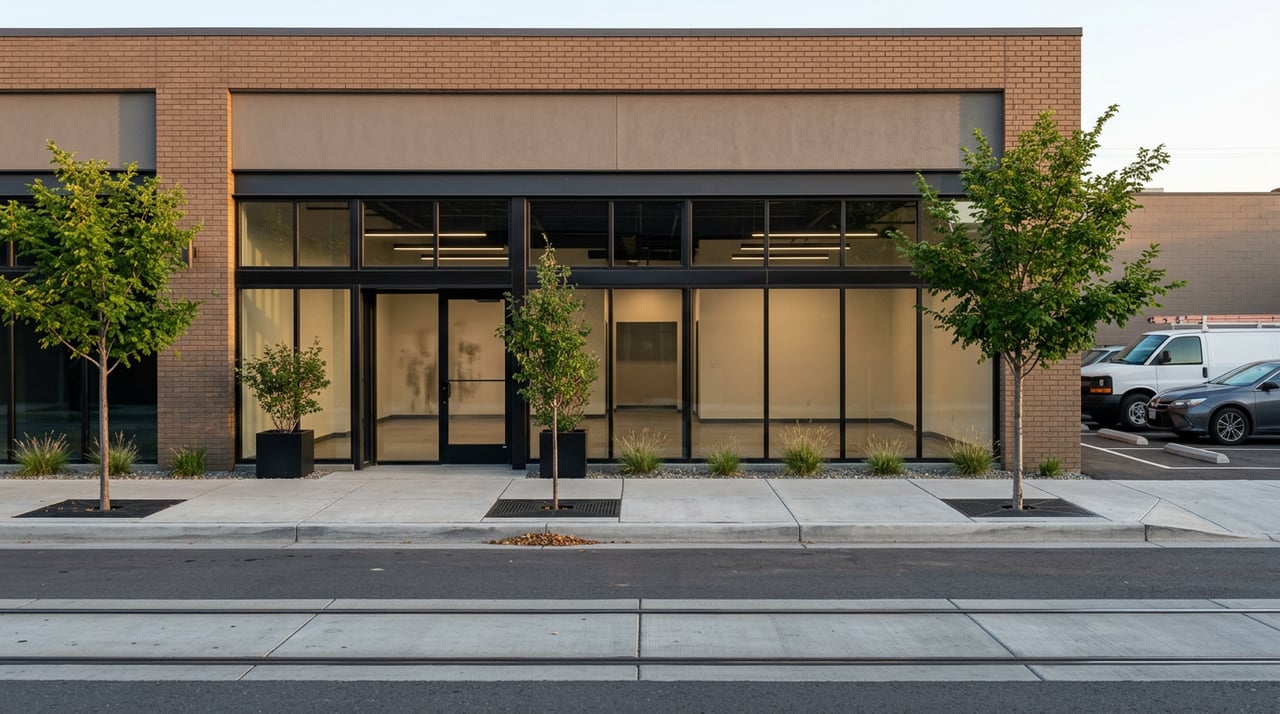
Along the S-Line, the East Streetcar Form-Based Code sets the tone for successful retail buildings. It defines storefront building types, minimum ground-floor transparency, and entrance orientation toward the corridor or sidewalk. It also pushes parking and loading to the rear or side, and limits driveways and loading near S-Line intersections. If a site violates these expectations, plan on design work or look for a better-suited parcel.
- Review the corridor-specific standards: East Streetcar Neighborhood Form-Based Code
- For broader codes, maps, and predevelopment contacts: South Salt Lake Planning & Zoning
Field-tested site evaluation workflow
Use this quick, repeatable process to size up any S-Line storefront or parcel.
1) Map and immediate checks
- Pin the parcel and measure the walk to the nearest platform. Confirm the exact station name and address to stay consistent across your analysis. You can verify locations here: UTA station addresses
- Confirm the site’s zoning and whether it lies within the East Streetcar FBC area. Note the frontage type, build-to zone, and transparency requirements that will affect design and leasing. Start here: South Salt Lake Planning & Zoning
2) Quick trade-area profile
- Build 0.25/0.5‑mile buffers from the parcel and sum households, population, and incomes using ACS 5‑year block-group data. For fast context at the city level, use Census QuickFacts: South Salt Lake QuickFacts
- Check system ridership trends and any scheduled S-Line extensions that may change the trade area. See UTA’s latest update: Ridership gains and what’s next
3) Operational feasibility
- Confirm where deliveries, trash, and employee parking can go without disrupting the sidewalk, bike lanes, or S-Line frontage. The FBC discourages vehicular access near S-Line intersections and expects parking to be behind or beside the building.
- For restaurants, assess grease traps, hood/venting, and ceiling heights early. If there is no rear alley, price curb modifications and staging solutions against your concept’s service peaks.
4) Foot-traffic validation
- When the concept depends on steady walk-in volume, order a mobile foot-traffic extract for the address and the two nearest stations. Compare hourly patterns, repeat visits, and home-origin distribution to similar stores in Sugar House.
- A primer on the data source landscape is here: Placer.ai review
5) Financial pre-check
- Gather rent comps, vacancy, and capex ranges for façade, signage, and mechanicals to reach compliance with the FBC. Model sales per square foot under realistic capture rates tied to your 0.25/0.5‑mile households and daytime employment.
- Use the county records to confirm ownership, tax history, and deed restrictions before you invest time in design. Start with the county portals: Salt Lake County property records
6) Entitlement and timing
- Schedule a predevelopment meeting with South Salt Lake to confirm permitted uses, any conditional approvals, and options for shared or reduced parking. You can find contact info and checklists here: Planning & Zoning
Anchors, TRAX, and near-term demand
The S-Line’s best-performing retail sites tend to sit near steady trip generators and at or near the Central Pointe hub. South Salt Lake’s downtown planning and redevelopment efforts have pursued anchors that drive daily trips, including grocery and mixed-use phases, which can lift capture rates for neighborhood retail. Track these project timelines and lease-up progress when underwriting.
- See an example of how the Central Pointe area catalyzed projects: South Salt Lake master plan phase with grocery anchor
- Monitor the planned S-Line extension since a new stop changes walk-sheds and cross-shopping: S-Line Extension Project
Parking, loading, and operations
Restaurants and service-heavy users live or die by ops. The East Streetcar code expects you to keep customer access clean and pedestrian-focused. Plan customer parking behind or to the side, secure a clear delivery path that does not conflict with S-Line intersections, and stage refuse away from the frontage. If the site cannot meet these basics, the concept will have higher friction, higher capex, or both.
- Key rules that matter: minimum storefront transparency, entrance orientation to the corridor or public sidewalk, and “no parking or loading along the S-Line frontage.” If vehicle access is within 75 feet of an S-Line intersection, expect to redesign.
A simple scoring rubric
Create a one-page scorecard and weight items by your concept.
- Transit proximity, station within 1 block (weight 15%)
- Storefront readiness, glazing and door facing S-Line (weight 20%)
- Walk-shed population and daytime employment within 0.25/0.5 mile (weight 20%)
- Parking and delivery access without S-Line conflicts (weight 15%)
- Competition and anchors nearby, including grocer and evening venues (weight 15%)
- Lease terms and capex to meet FBC rules and build-out (weight 15%)
Use a pass or fail gate for entitlement risk. If zoning prohibits your use or loading is impossible to solve, stop early and consider an alternative concept.
Common pitfalls to avoid
- Relying on raw streetcar boardings instead of mapping your 5–10 minute walk-shed and daytime population.
- Assuming on-site surface parking along the S-Line frontage will be acceptable. The code strongly favors rear or side parking with active frontages.
- Overlooking delivery, waste, and venting logistics for restaurants. These often drive cost and feasibility.
- Underwriting to future projects without checking the city’s plan documents and schedules.
Move from analysis to action
If you want senior, hands-on help vetting a specific address, aligning design with the East Streetcar code, and structuring a deal that fits your pro forma, connect with Dan Rip. You will get local insight, entitlement strategy, and a practical plan to launch with confidence along the S-Line.
FAQs
What is the S-Line and why does it matter for retail?
- It is UTA’s short streetcar from Central Pointe TRAX to Sugar House with frequent 15‑minute service and growing system ridership, which supports walkable retail when paired with strong nearby population and anchors.
How should I estimate foot traffic for a specific storefront?
- Map 0.25/0.5‑mile walk-sheds, summarize ACS demographics, review UTA ridership context, then validate with a paid mobile foot-traffic extract for storefront-level visits and dwell times.
What frontage rules affect my design along the S-Line?
- The East Streetcar Form-Based Code requires ground-floor transparency, a street-oriented entrance, and pushes parking and loading off the corridor frontage with strict limits near intersections.
Can I count on street parking instead of on-site parking?
- Plan for rear or side parking and confirm reduction or shared-parking options with the city. Fronting the S-Line with parking will likely conflict with the code and design expectations.
How do planned S-Line extensions change my site choice?
- A new stop or double-tracking segment can shift walk-sheds and transfer patterns, which might boost or reduce your capture depending on location, so include extension timing in your underwriting.
What documents should I review before I make an offer?
- The East Streetcar FBC, the city’s Planning & Zoning materials and station area plans, UTA’s project updates, ACS data for the walk-shed, and county property records for ownership and encumbrances.